
From Production to Consumer- The Journey of Sugar Sticks
Introduction
From Production to Consumer: The Journey of Sugar Sticks is a comprehensive article that delves into the fascinating journey of these iconic treats from their humble origins in the sugar cane fields to their delectable presence on our tables. This article will explore the various stages involved in the production, processing, and distribution of sugar sticks, shedding light on the intricate processes that bring these sweet delights to consumers.
Cultivation and Harvesting
The journey of sugar sticks begins with the cultivation of sugar cane in vast fields. Farmers carefully tend to the crops, ensuring optimal growth conditions for the cane to thrive. Harvesting takes place once the cane reaches maturity, typically between 9 to 12 months after planting. Using specialized machinery or manual labor, harvesters cut the mature stalks and transport them to processing facilities.
Milling and Extraction
At the processing facility, the harvested sugar cane undergoes a multi-step milling process to extract the sweet juice. The stalks are crushed and passed through a series of heavy rollers that separate the juice from the fibrous residue, known as bagasse. The extracted juice is then filtered to remove impurities, resulting in a concentrated cane syrup.
Boiling and Crystallization
The concentrated cane syrup is subjected to a boiling process in vacuum pans under controlled temperature and pressure. This boiling causes the water in the syrup to evaporate, concentrating the sugar content. As the syrup reaches a certain saturation point, sugar crystals begin to form and grow. The crystallized sugar is then separated from the remaining molasses through a centrifugation process.
Refining and Packaging
The raw sugar crystals undergo a refining process to remove any remaining impurities, such as colorants and flavorings. The refined sugar is then dried and packaged into various forms, including granulated, powdered, and cube sugar. Sugar sticks, a specific form of packaged sugar, are produced by molding the refined sugar into cylindrical shapes and packaging them in protective wrappers.
Distribution and Retail
Once packaged, sugar sticks are distributed to retail outlets and grocery stores through a network of warehouses and distributors. Consumers can purchase sugar sticks in varying quantities, from individual sticks to larger bags or boxes. Sugar sticks are widely used as a sweetener in beverages, desserts, and various culinary applications.
The journey of sugar sticks from production to consumer is a complex and captivating process that involves multiple stages and meticulous attention to detail. From the cultivation of sugar cane to the final packaging of sugar sticks, each step plays a crucial role in ensuring the quality and availability of these beloved treats. Understanding this journey allows us to appreciate the efforts and expertise involved in bringing these sweet delights to our homes.


-
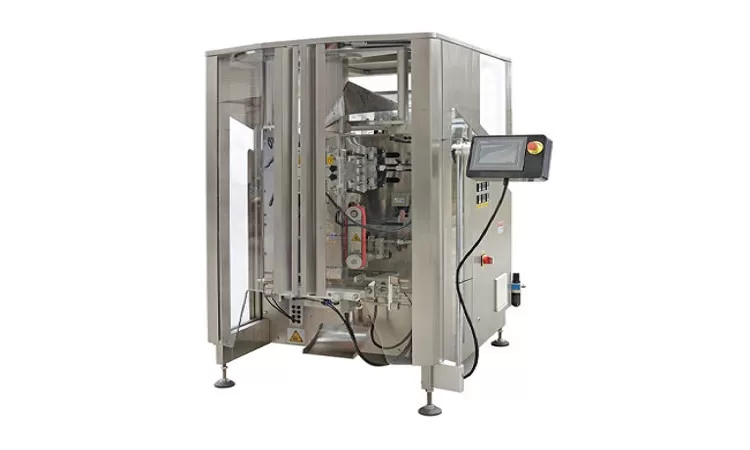
VFFS Equipment: The Ultimate Guide to Vertical Form Fill Seal Technology
13-03-2026 -
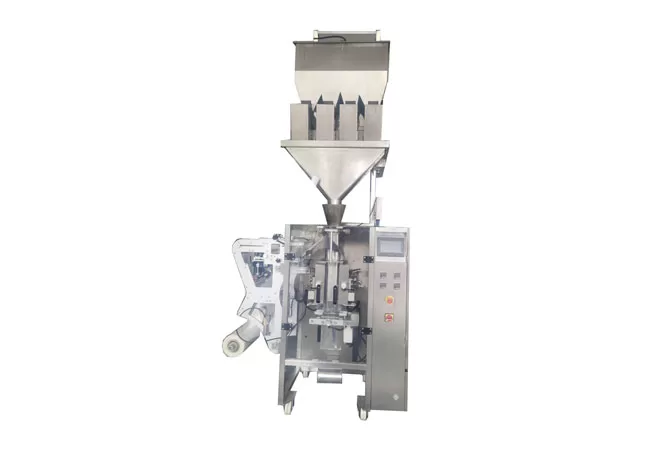
The Essential Guide to Weight Packing Machines for Precision Weighing
12-03-2026 -
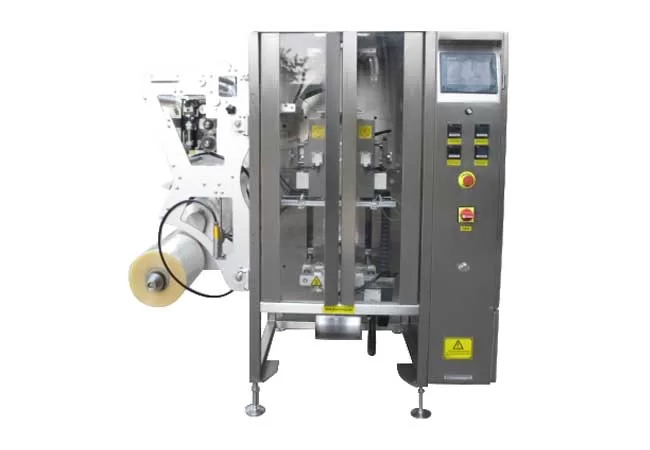
Power Packing Machine: The Ultimate Guide to Heavy-Duty Packaging Efficiency
11-03-2026 -
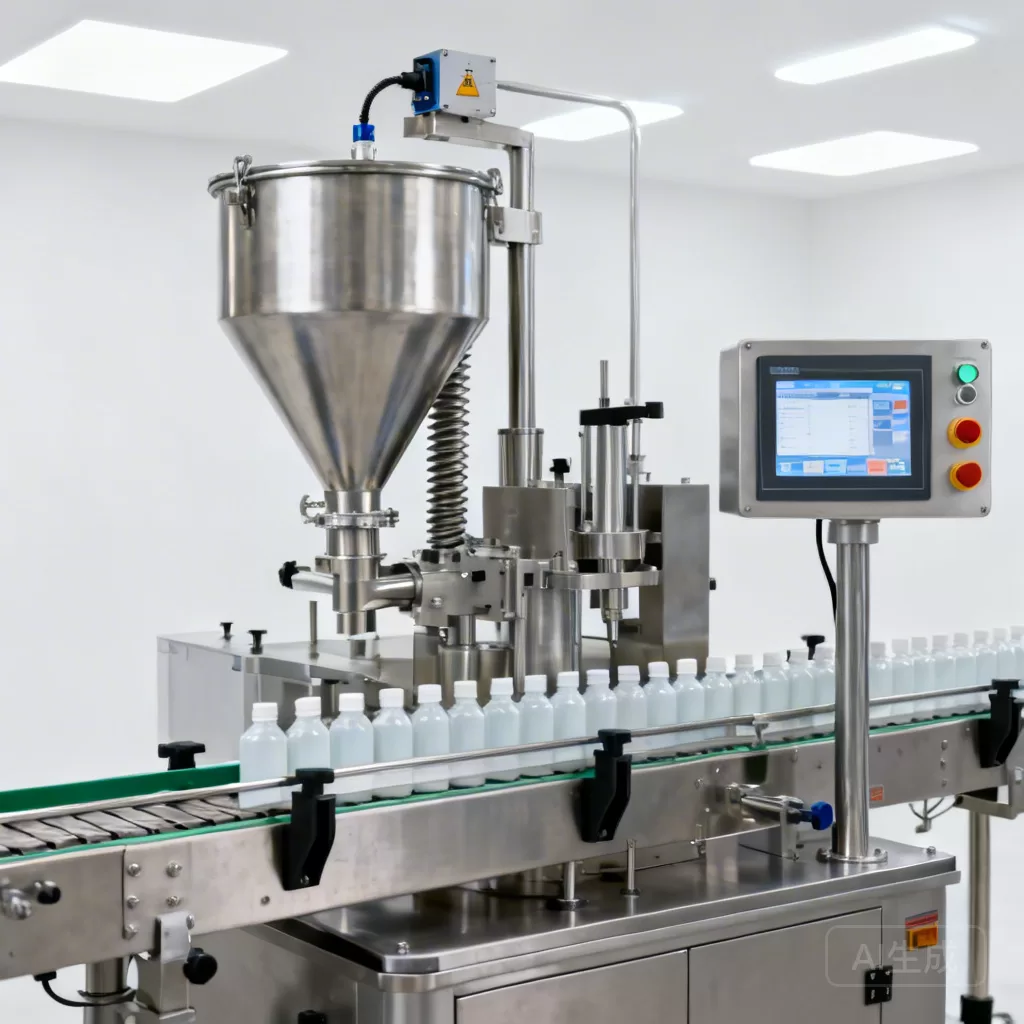
Weigher Packing Machine: The Definitive Guide to Precision Weighing & Packaging
10-03-2026 -
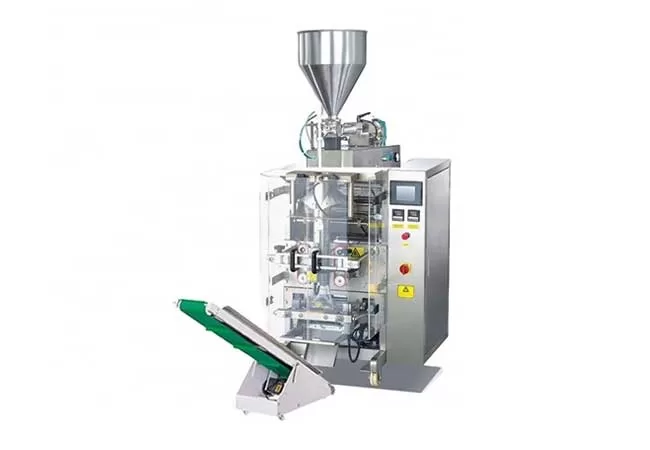
Auger Type Powder Filling Machine: The Ultimate Guide to Precision Packaging
09-03-2026 -
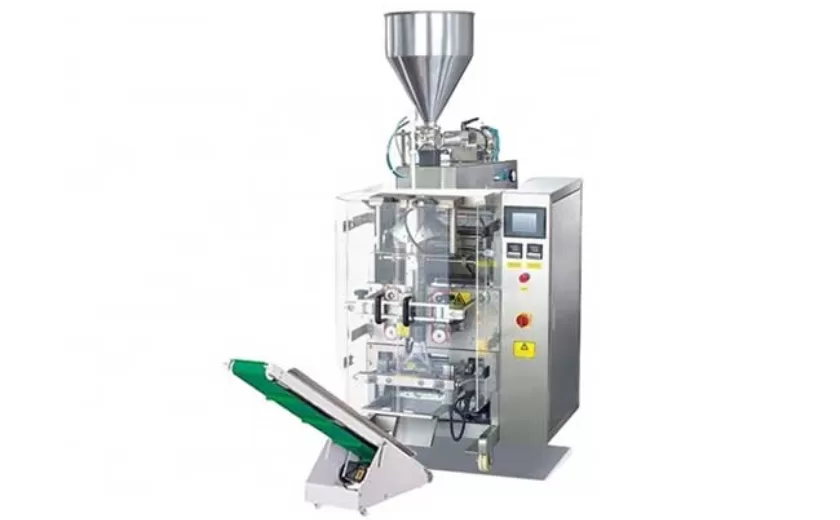
Advanced Packing Solutions: Snacks, Sugar, and Frozen Food Machines
29-10-2025 -
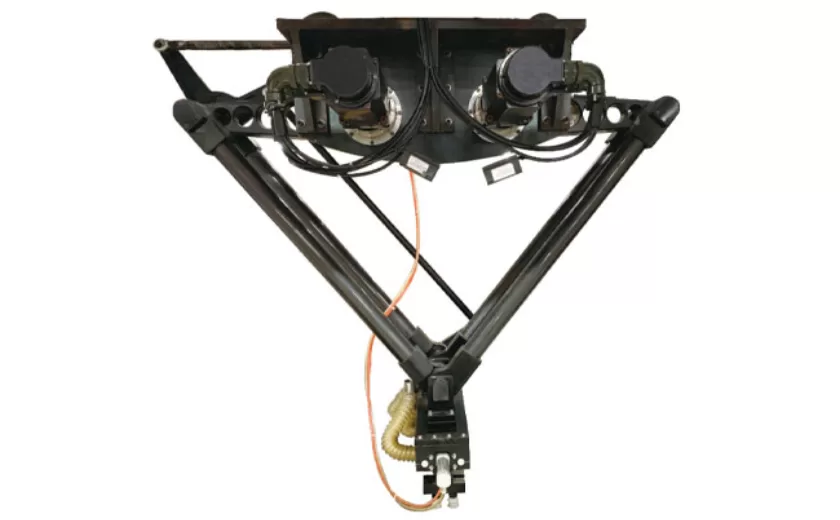
Efficient and Reliable Solutions for Salt, Nuts, and Frozen Dumplings Packing
29-10-2025 -
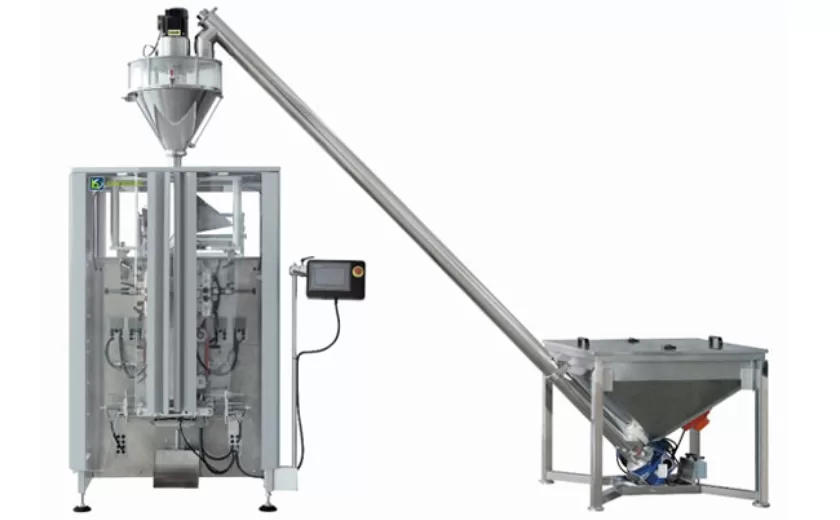
High-Performance Biscuits, Lollipop, and Ketchup Packing Machines for Modern Food Production
29-10-2025 -
Efficient Liquid Filling and Packing Machines for Modern Production
23-10-2025 -
Reliable Granule Packaging Machines for Efficient Production
23-10-2025
