
5 Essential Maintenance Practices to Extend the Life of Your Liquid Filling and Packaging Machine
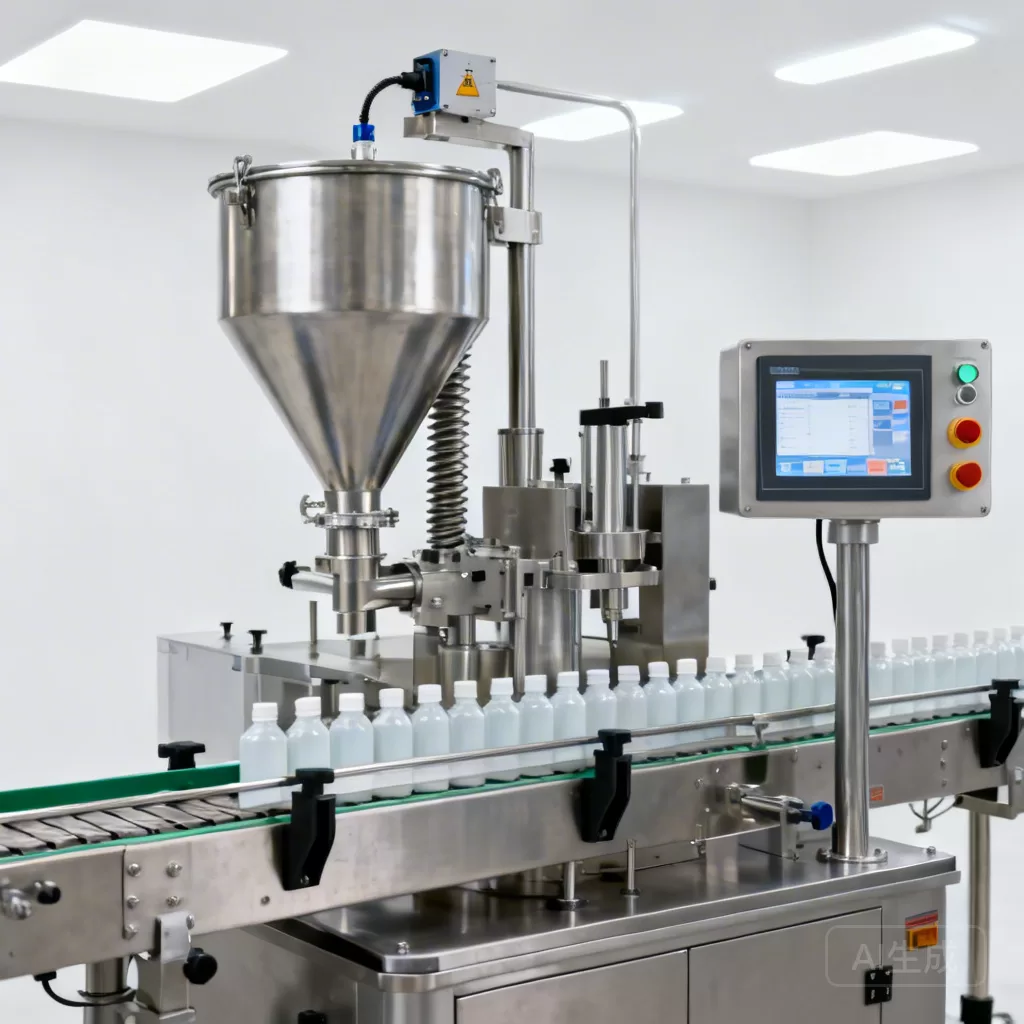
A liquid filling and packaging machine is a critical part of modern production lines. Whether you are packaging oil, vinegar, sauces, shampoo, lotion, honey, or other liquid and paste products, consistent filling accuracy and reliable sealing directly affect product quality, production efficiency, and operating costs.
However, even a well-designed automatic packaging machine can experience reduced performance when routine maintenance is neglected. Product residue can accumulate around filling components, seals can wear, moving parts can develop excessive friction, and sensors may gradually lose accuracy.
Regular preventive maintenance helps identify these problems before they become costly failures. Baopack’s liquid and paste packaging machines are designed for convenient operation and maintenance, but a structured maintenance program remains essential for maximizing equipment reliability and service life.
Here are five essential maintenance practices every liquid filling and packaging machine operator should follow.
1. Clean the Filling System Regularly
Cleaning is one of the most important maintenance tasks for any liquid filling machine, particularly when the equipment handles viscous, sticky, or food-related products.
Liquid residue can accumulate inside or around filling nozzles, pipes, valves, pumps, tanks, and other product-contact components. If residue is allowed to dry or build up, it can restrict product flow and contribute to inconsistent filling volumes.
A practical cleaning routine should include:
- Removing remaining product from the filling system after production.
- Inspecting filling nozzles for blockage or buildup.
- Cleaning product-contact surfaces according to the material and product requirements.
- Checking hoses, valves, and connections for residue or leakage.
- Ensuring components are completely dry when required before the next production cycle.
The cleaning method should always be compatible with the machine’s materials and the product being processed. Operators should follow the machine manufacturer’s instructions rather than applying aggressive chemicals or cleaning procedures without verification.
For applications involving food, beverages, cosmetics, or pharmaceuticals, sanitation requirements are particularly important because inadequate cleaning can affect both product quality and production hygiene.
Baopack’s liquid and paste packaging machines use stainless-steel construction for the machine body and are designed with maintenance convenience in mind.
2. Inspect and Lubricate Moving Components
Friction is a major source of mechanical wear. Bearings, chains, guide mechanisms, gears, and other moving components can gradually deteriorate when lubrication is insufficient or when contaminants accumulate around them.
Operators should establish a lubrication schedule based on the machine manufacturer’s recommendations and actual production conditions.
During routine inspection, look for:
- Unusual vibration or noise.
- Excessive friction.
- Loose fasteners.
- Worn bearings or mechanical components.
- Damaged belts or chains.
- Abnormal movement during machine operation.
Do not assume that applying more lubricant is always better. Excessive lubrication can attract dust and product residue, while using an incompatible lubricant may damage components. Always use the specified lubricant and follow the recommended quantity and frequency.
Baopack’s own packaging-machine maintenance guidance emphasizes regular lubrication of moving parts and inspection of belts, chains, and other wear components as part of preventive maintenance.
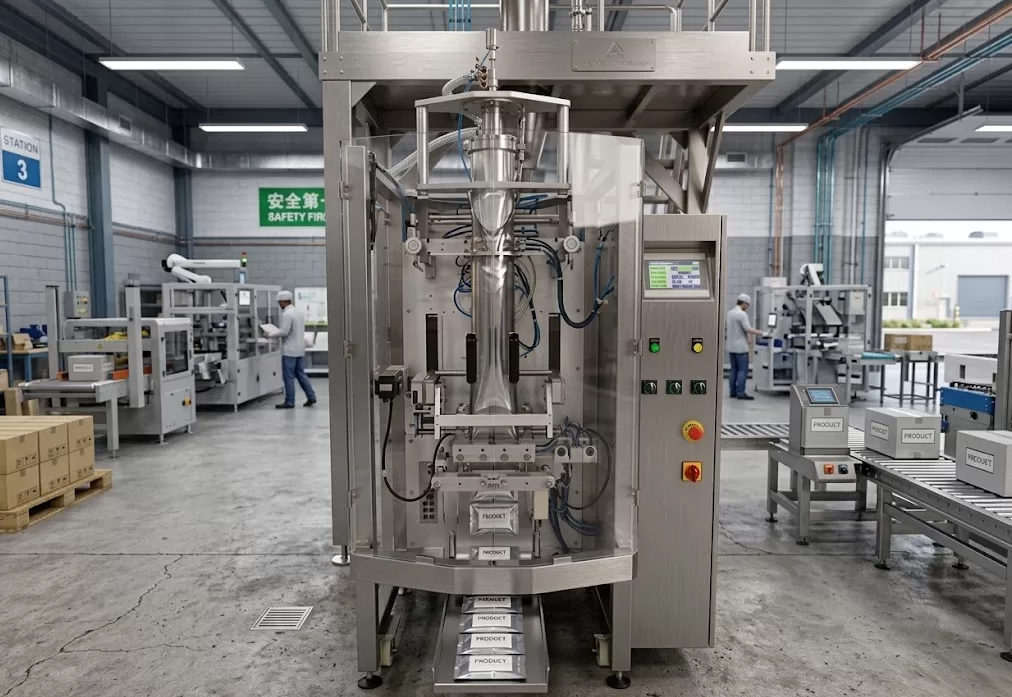
3. Check Filling Accuracy, Sensors, and Machine Alignment
Filling accuracy is one of the most important performance indicators for a liquid packaging machine. A machine can continue running while gradually producing inconsistent fill volumes, making calibration and inspection an important part of preventive maintenance.
Operators should periodically verify:
- Filling volume or weight.
- Filling nozzle position.
- Product flow consistency.
- Sensor response.
- Conveyor alignment.
- Detection and control functions.
- Sealing performance.
If the filling volume begins to fluctuate, do not immediately assume that the filling mechanism itself has failed. Changes in product viscosity, blocked nozzles, air pressure, pump performance, sensor positioning, or other machine settings can also affect results.
Calibration should therefore be performed according to the machine’s technical documentation and production requirements.
For automated packaging systems, sensors and control components are particularly important because inaccurate detection can cause filling, sealing, or packaging timing problems. Baopack’s maintenance guidance also recommends regular sensor calibration and inspection as part of preventive maintenance.
4. Inspect Sealing Components and Electrical Systems
A liquid packaging machine does more than fill the product. It must also create a reliable package that protects the contents during storage, transportation, and handling.
Sealing problems can result from worn components, incorrect settings, contamination, misalignment, or mechanical deterioration. Regularly inspect the sealing area for product residue, damaged components, abnormal movement, or inconsistent sealing results.
For packaging equipment, operators should also inspect electrical connections and control components for visible signs of damage or looseness. Electrical maintenance should be performed by appropriately trained personnel, particularly when working inside control cabinets or around energized equipment.
A good inspection routine includes:
- Checking emergency-stop and safety functions according to the manufacturer’s procedures.
- Inspecting visible wiring and connectors for damage.
- Checking sensors for contamination or misalignment.
- Examining sealing components for wear.
- Investigating unusual alarms or repeated machine faults rather than simply resetting them.
Baopack provides technical support for troubleshooting, defective-part replacement, performance optimization, and preventive maintenance, which can be useful when a problem requires more than routine operator maintenance.
5. Create a Preventive Maintenance Schedule and Keep Records
One of the biggest mistakes in equipment maintenance is waiting until a machine breaks down before taking action.
Preventive maintenance is more effective when tasks are scheduled according to operating hours, production volume, component condition, and manufacturer recommendations.
A simple maintenance schedule can be divided into several levels:
Daily
Clean product-contact areas, inspect filling nozzles, check for leaks, remove residue, and look for unusual noises or visible mechanical problems.
Weekly
Inspect moving components, fasteners, belts, chains, sensors, and pneumatic or mechanical systems. Lubricate components where required.
Monthly
Perform a more comprehensive inspection, including deeper cleaning, wear assessment, filling accuracy verification, and examination of critical components.
Periodically
Schedule professional inspection, calibration, and replacement of components that have reached their expected service interval or show significant wear.
Maintenance records are equally important. Record the date, machine condition, maintenance performed, parts replaced, calibration results, and any recurring problems.
This information creates a useful maintenance history. If the same component repeatedly develops a problem, the records can help technicians identify the underlying cause instead of treating each failure as an isolated incident.
Why Preventive Maintenance Matters
Proper maintenance does more than extend machine life. It can also help manufacturers reduce unexpected downtime, maintain consistent product quality, improve filling accuracy, and control long-term maintenance costs.
Baopack has developed automatic measuring, filling, packaging, and integrated packaging solutions since its establishment in 2001. We currently offer multiple packaging-machine series and provide implementation support, technical training, troubleshooting, and preventive maintenance guidance.
The most effective maintenance strategy is therefore not simply repairing components when they fail. It is establishing a repeatable system in which operators clean the equipment, inspect critical components, verify performance, document maintenance activities, and involve qualified technicians when necessary.
Conclusion
A liquid filling and packaging machine is a long-term production investment. Its service life depends not only on machine design and component quality, but also on how consistently the equipment is operated, cleaned, inspected, calibrated, and maintained.
The five practices above provide a practical foundation:
- Clean the filling system regularly.
- Lubricate and inspect moving components.
- Verify filling accuracy, sensors, and alignment.
- Inspect sealing and electrical systems.
- Follow a preventive maintenance schedule and maintain detailed records.
By turning these tasks into a routine maintenance program, manufacturers can identify small problems before they become major failures and keep their liquid filling and packaging equipment operating reliably for longer.


-
VFFS Equipment: The Ultimate Guide to Vertical Form Fill Seal Technology
13-03-2026 -
The Essential Guide to Weight Packing Machines for Precision Weighing
12-03-2026 -
Power Packing Machine: The Ultimate Guide to Heavy-Duty Packaging Efficiency
11-03-2026 -
Weigher Packing Machine: The Definitive Guide to Precision Weighing & Packaging
10-03-2026 -
Auger Type Powder Filling Machine: The Ultimate Guide to Precision Packaging
09-03-2026 -
Advanced Packing Solutions: Snacks, Sugar, and Frozen Food Machines
29-10-2025 -
Efficient and Reliable Solutions for Salt, Nuts, and Frozen Dumplings Packing
29-10-2025 -
High-Performance Biscuits, Lollipop, and Ketchup Packing Machines for Modern Food Production
29-10-2025 -
Efficient Liquid Filling and Packing Machines for Modern Production
23-10-2025 -
Reliable Granule Packaging Machines for Efficient Production
23-10-2025
