
Creating a Java Package in System.out.println
The Importance of Java Packages in System.out.println
Java, being a versatile programming language, offers numerous ways to organize code effectively. One such essential feature is the creation of packages. When it comes to using the System.out.println method in Java, packaging your code correctly can significantly enhance its readability, maintainability, and reusability.
Understanding Java Packages
A Java package is a namespace that organizes a set of related classes and interfaces. By structuring your classes into packages, you can prevent naming conflicts and easily manage your codebase. When you use System.out.println statements in your Java programs, incorporating packages can streamline the debugging process and make your code more maintainable.
Creating a Java Package
To create a Java package for your System.out.println statements, you can follow these simple steps:
- Create a new directory with a name that represents your package, for example,
com.example.logging. - Place your Java source file containing the
System.out.printlnstatements in this directory. - Add the package declaration at the top of your Java source file, like
package com.example.logging;. - Compile your Java file using the
javaccommand. - Run your Java program, and you will notice the structured output from your
System.out.printlnstatements.
Benefits of Using Packages
By organizing your System.out.println statements into packages, you gain several advantages:
- Modularity: Packages enable you to group related functionalities together, promoting code modularity.
- Code Reusability: You can easily reuse packages in different projects, saving time and effort.
- Maintainability: With well-structured packages, maintaining and updating your code becomes more straightforward.
- Namespace Management: Packages help in avoiding naming conflicts and make it easier to identify the purpose of classes.
Best Practices for Java Packaging
When working with Java packages for System.out.println statements, consider these best practices:
- Choose Descriptive Package Names: Use meaningful names that reflect the purpose of the code in the package.
- Avoid Nested Packages: Limit the nesting of packages to maintain simplicity in your project structure.
- Package Information: Include a
package-info.javafile to provide additional information about the package.
Conclusion
In conclusion, leveraging Java packages for System.out.println statements can significantly improve the organization and maintainability of your code. By following best practices and structuring your code effectively, you can enhance the readability and reusability of your Java programs. So, next time you use System.out.println, remember the power of packaging!


-
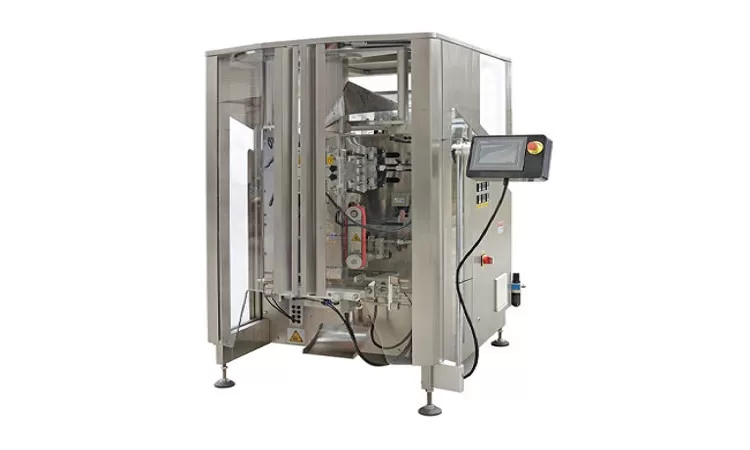
VFFS Equipment: The Ultimate Guide to Vertical Form Fill Seal Technology
13-03-2026 -
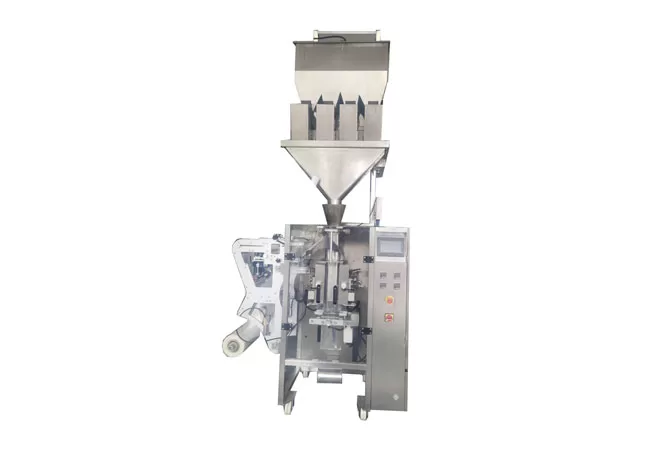
The Essential Guide to Weight Packing Machines for Precision Weighing
12-03-2026 -
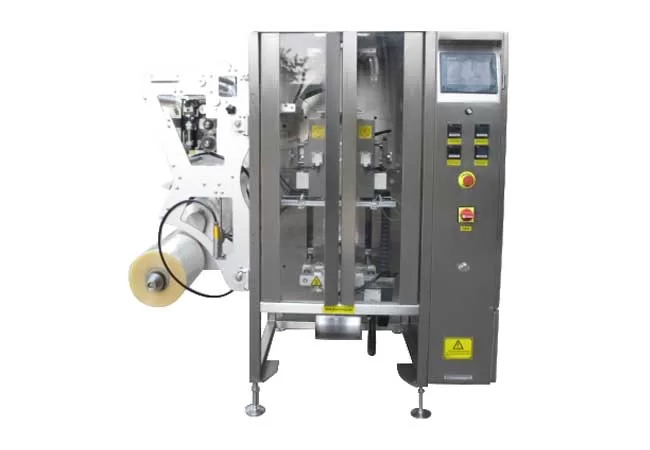
Power Packing Machine: The Ultimate Guide to Heavy-Duty Packaging Efficiency
11-03-2026 -

Weigher Packing Machine: The Definitive Guide to Precision Weighing & Packaging
10-03-2026 -
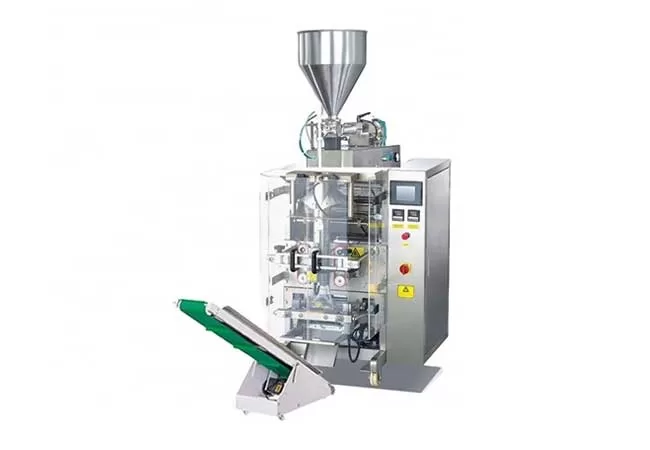
Auger Type Powder Filling Machine: The Ultimate Guide to Precision Packaging
09-03-2026 -
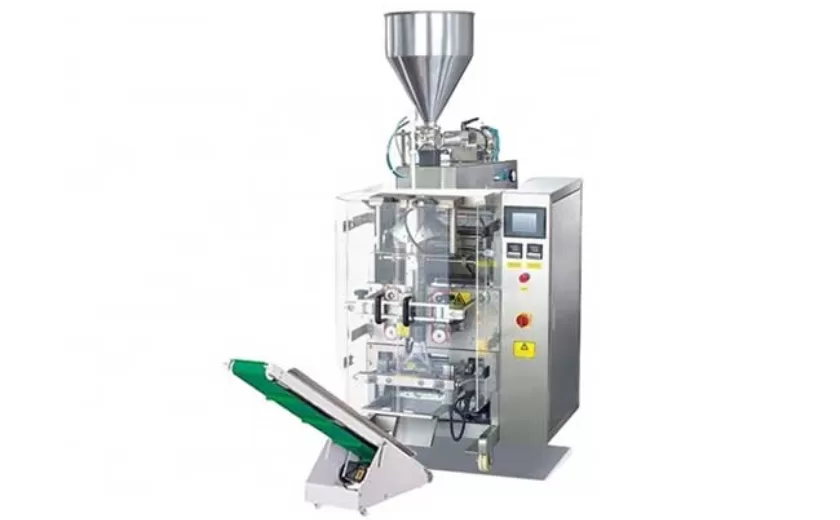
Advanced Packing Solutions: Snacks, Sugar, and Frozen Food Machines
29-10-2025 -
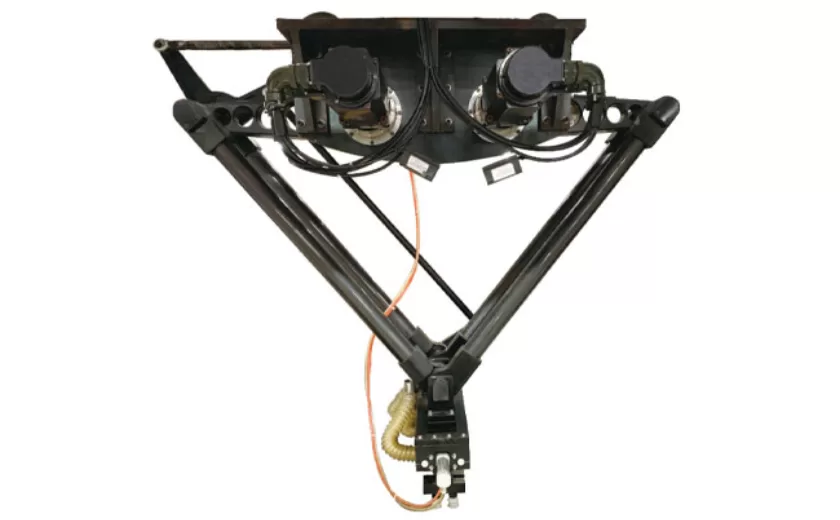
Efficient and Reliable Solutions for Salt, Nuts, and Frozen Dumplings Packing
29-10-2025 -
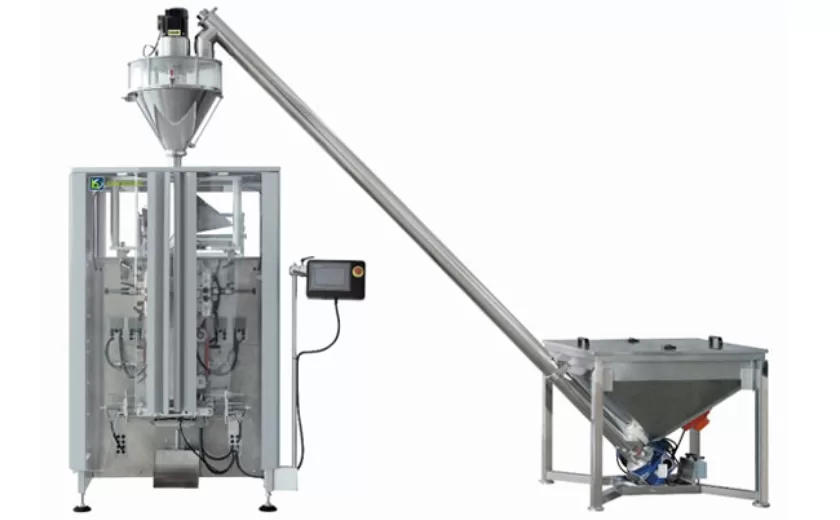
High-Performance Biscuits, Lollipop, and Ketchup Packing Machines for Modern Food Production
29-10-2025 -
Efficient Liquid Filling and Packing Machines for Modern Production
23-10-2025 -
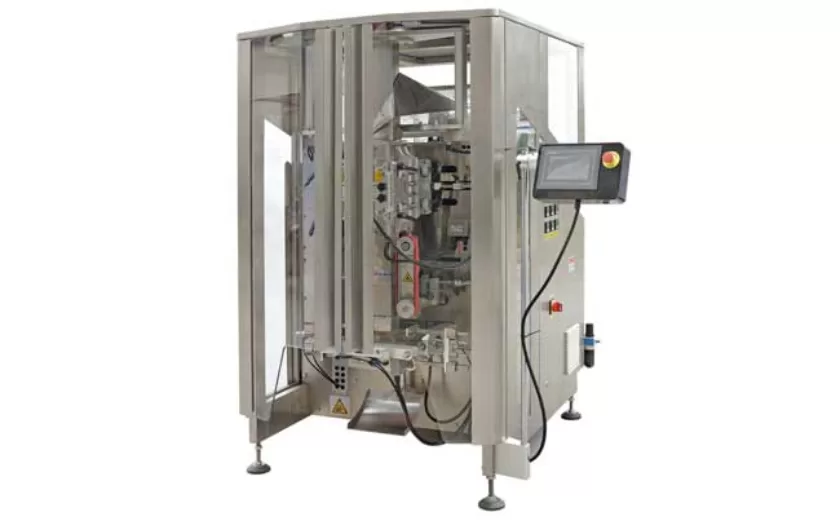
Reliable Granule Packaging Machines for Efficient Production
23-10-2025
