
R Install Package to System Library
How to Install R Packages to the System Library
In the realm of R programming, the ability to install packages to the system library is crucial for efficient workflow management and seamless collaboration. This guide will walk you through the steps of installing R packages to the system library, ensuring that your R environment is optimized for advanced data analysis tasks.
Step 1: Understanding System Libraries and R Packages
Before diving into the installation process, it’s essential to grasp the concept of system libraries and R packages. System libraries are directories that contain shared resources, such as code libraries and configuration files, that are accessible to all users on a system. On the other hand, R packages are collections of R functions, data, and compiled code that extend the capabilities of the base R language.
Step 2: Installing R Packages to the System Library
There are several methods to install R packages to the system library, depending on your operating system and R environment. One common approach is to use the `install.packages()` function in R.
install.packages("package_name", lib = "/path/to/system/library")Replace `”package_name”` with the name of the package you want to install and `”/path/to/system/library”` with the path to your system library. This command will download and install the specified package to the system library.
Step 3: Verifying Package Installation
After installing an R package to the system library, it’s important to verify that the installation was successful. You can do this by loading the package into your R session and checking for any errors or warnings.
library(package_name)If the package loads without any errors, you can be confident that the installation was successful and that the package is now available in your R environment.
Step 4: Best Practices for Managing R Packages
Managing R packages in the system library requires attention to detail and organization. Here are some best practices to consider:
- Regularly update your R packages to ensure you have access to the latest features and bug fixes.
- Document the packages you have installed, including their versions, to facilitate reproducibility.
- Consider creating a separate library for project-specific packages to avoid conflicts and maintain a clean R environment.
Step 5: Conclusion
Ensuring that R packages are installed to the system library is a fundamental aspect of managing an R environment effectively. By following the steps outlined in this guide and adopting best practices for package management, you can streamline your workflow, enhance collaboration, and leverage the full power of R for data analysis.


-
VFFS Equipment: The Ultimate Guide to Vertical Form Fill Seal Technology
13-03-2026 -
The Essential Guide to Weight Packing Machines for Precision Weighing
12-03-2026 -
Power Packing Machine: The Ultimate Guide to Heavy-Duty Packaging Efficiency
11-03-2026 -
Weigher Packing Machine: The Definitive Guide to Precision Weighing & Packaging
10-03-2026 -
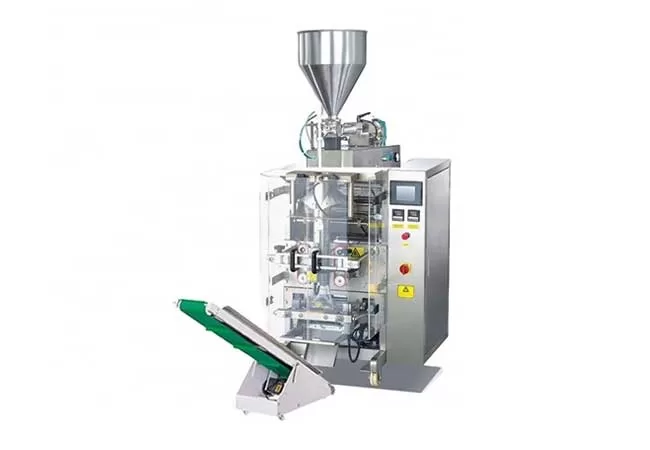
Auger Type Powder Filling Machine: The Ultimate Guide to Precision Packaging
09-03-2026 -
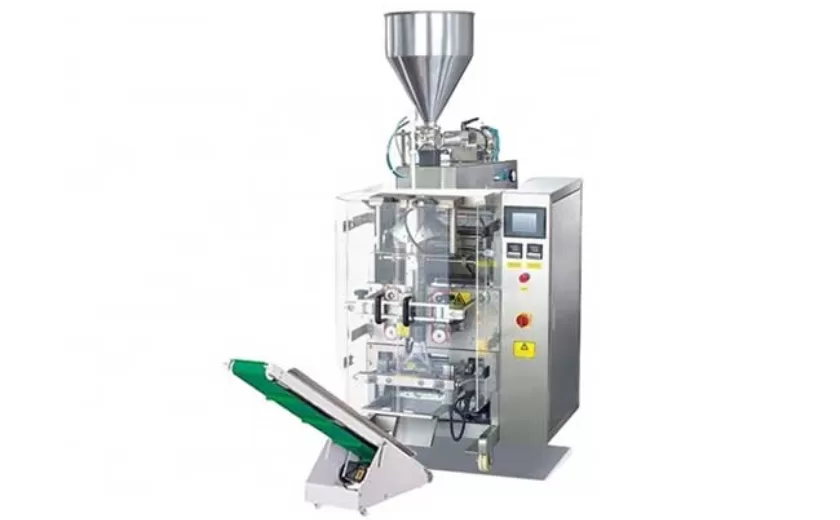
Advanced Packing Solutions: Snacks, Sugar, and Frozen Food Machines
29-10-2025 -
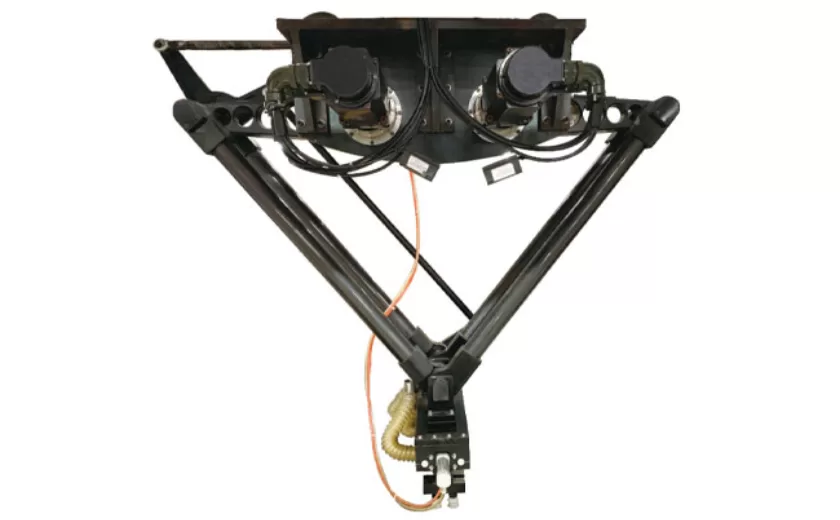
Efficient and Reliable Solutions for Salt, Nuts, and Frozen Dumplings Packing
29-10-2025 -
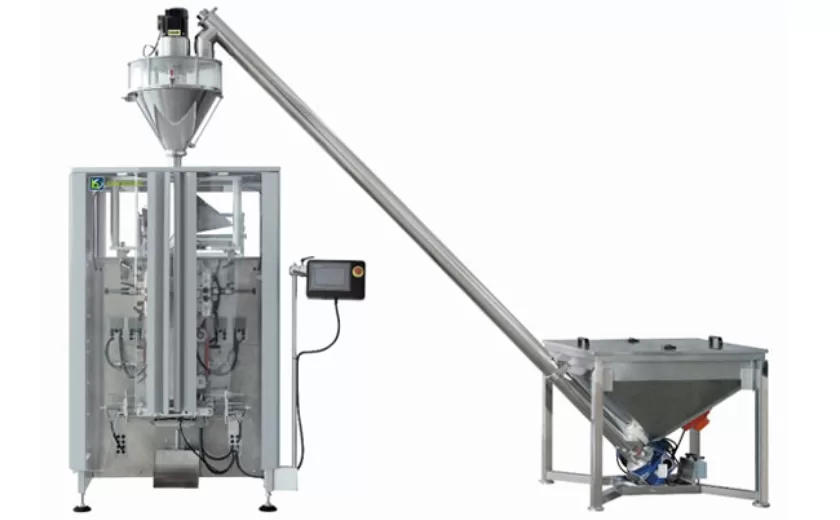
High-Performance Biscuits, Lollipop, and Ketchup Packing Machines for Modern Food Production
29-10-2025 -
Efficient Liquid Filling and Packing Machines for Modern Production
23-10-2025 -
Reliable Granule Packaging Machines for Efficient Production
23-10-2025
