
Exploring Python Virtual Environments with System-site-packages
Exploring Python Virtual Environments with System-site-packages
In the world of Python development, managing packages and dependencies effectively is crucial for maintaining a healthy and stable codebase. Virtual environments provide a way to achieve this isolation, ensuring that each project has its own set of dependencies without interfering with others. One particular aspect of Python virtual environments that often raises questions is the system-site-packages option.
When you create a virtual environment in Python, by default, it is isolated from the system-wide Python installation. This means that the new environment does not have access to the system-wide packages installed on your machine. However, when you use the system-site-packages option, you allow the virtual environment to access and use packages installed in the system-wide site-packages directory.
While this can be convenient in some cases, enabling system-site-packages comes with its own set of considerations. By incorporating system-wide packages into your virtual environment, you run the risk of dependency conflicts and version inconsistencies. This can lead to unexpected behavior in your Python projects, making it challenging to replicate environments across different machines.
To demonstrate the usage of system-site-packages, let’s consider a scenario where you want to create a virtual environment for a data science project that requires specific libraries like NumPy and Pandas. By enabling system-site-packages, you can leverage any existing installations of these libraries on your system, saving you the hassle of re-installing them within the virtual environment.
However, before opting for system-site-packages, it’s essential to weigh the pros and cons based on your specific project requirements. If you’re working on a project where consistency and reproducibility are paramount, it may be better to avoid using system-site-packages to maintain a clean separation of dependencies.
In conclusion, Python virtual environments provide a powerful mechanism for managing project dependencies and isolating environments. The system-site-packages option adds an extra layer of flexibility but must be used judiciously to avoid potential pitfalls.
By understanding and exploring the nuances of Python virtual environments with system-site-packages, developers can make informed decisions that align with the unique needs of their projects.
Whether you choose to use system-site-packages or not, the key is to prioritize clarity, consistency, and maintainability in your Python development workflow.


-
VFFS Equipment: The Ultimate Guide to Vertical Form Fill Seal Technology
13-03-2026 -
The Essential Guide to Weight Packing Machines for Precision Weighing
12-03-2026 -
Power Packing Machine: The Ultimate Guide to Heavy-Duty Packaging Efficiency
11-03-2026 -
Weigher Packing Machine: The Definitive Guide to Precision Weighing & Packaging
10-03-2026 -
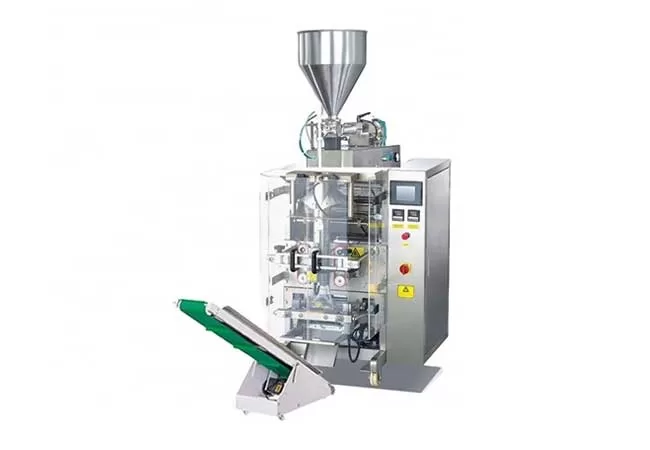
Auger Type Powder Filling Machine: The Ultimate Guide to Precision Packaging
09-03-2026 -
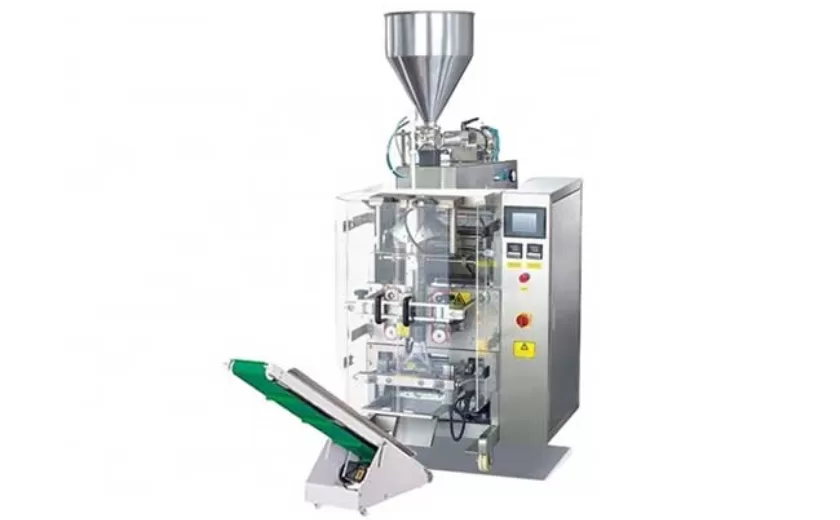
Advanced Packing Solutions: Snacks, Sugar, and Frozen Food Machines
29-10-2025 -
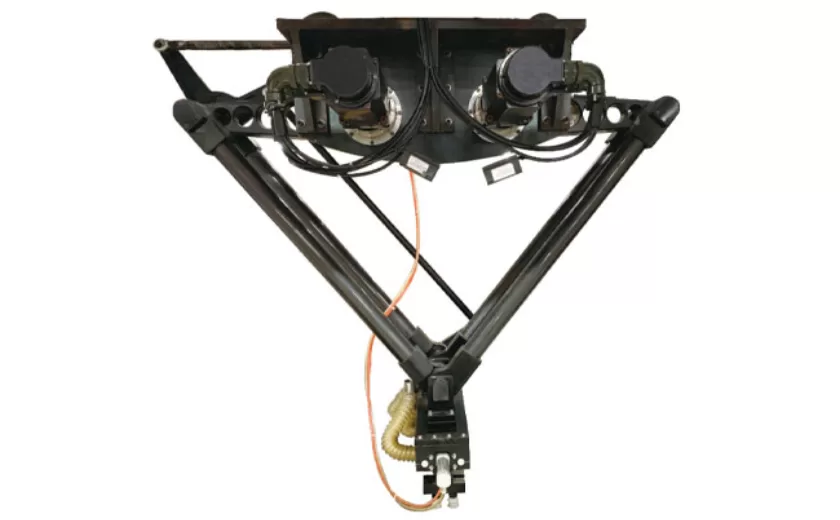
Efficient and Reliable Solutions for Salt, Nuts, and Frozen Dumplings Packing
29-10-2025 -
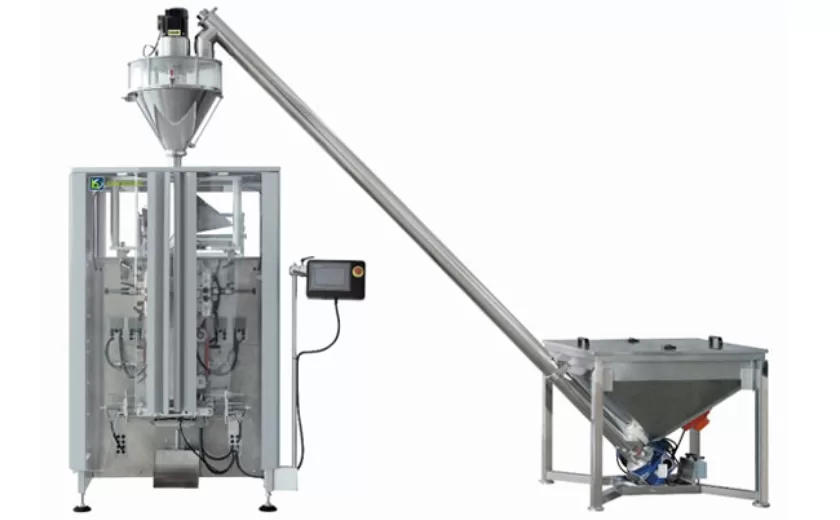
High-Performance Biscuits, Lollipop, and Ketchup Packing Machines for Modern Food Production
29-10-2025 -
Efficient Liquid Filling and Packing Machines for Modern Production
23-10-2025 -
Reliable Granule Packaging Machines for Efficient Production
23-10-2025
