

The Essential Guide to Weight Packing Machines for Precision Weighing
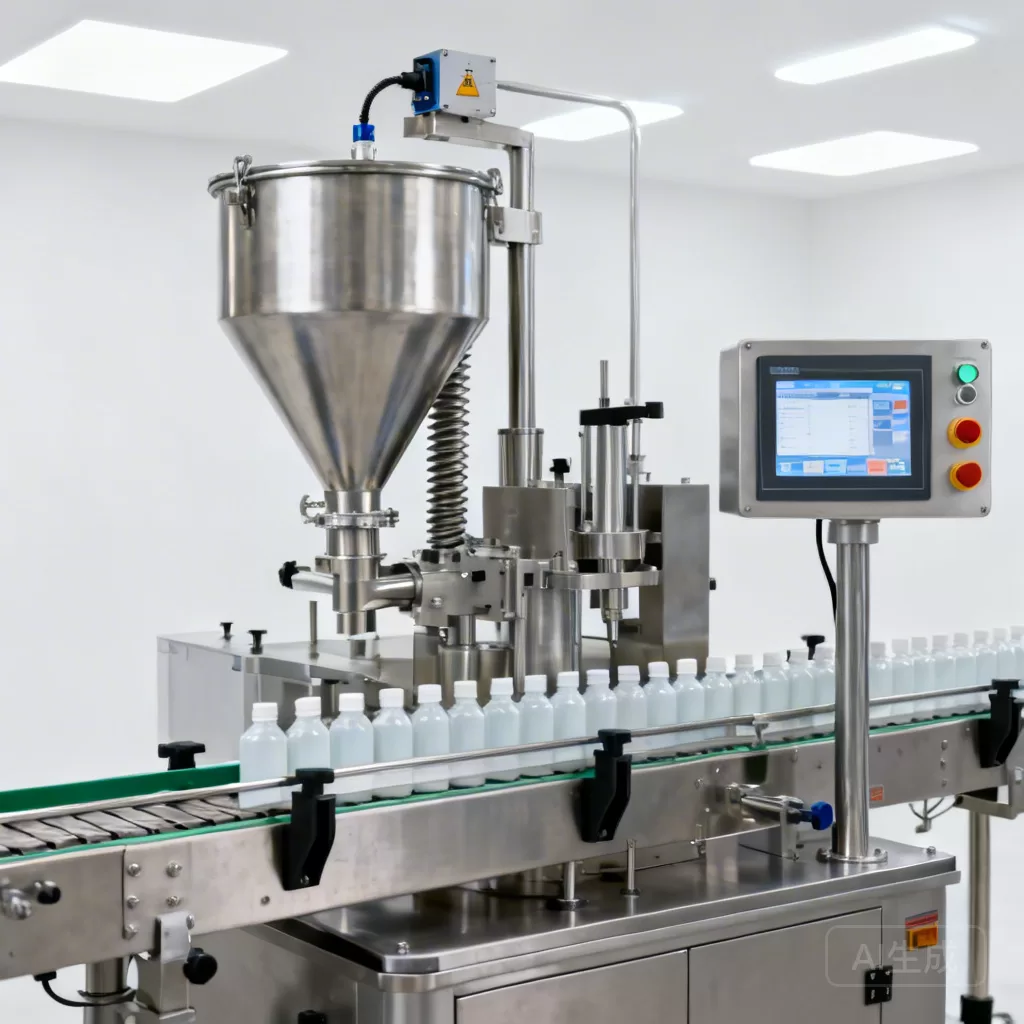
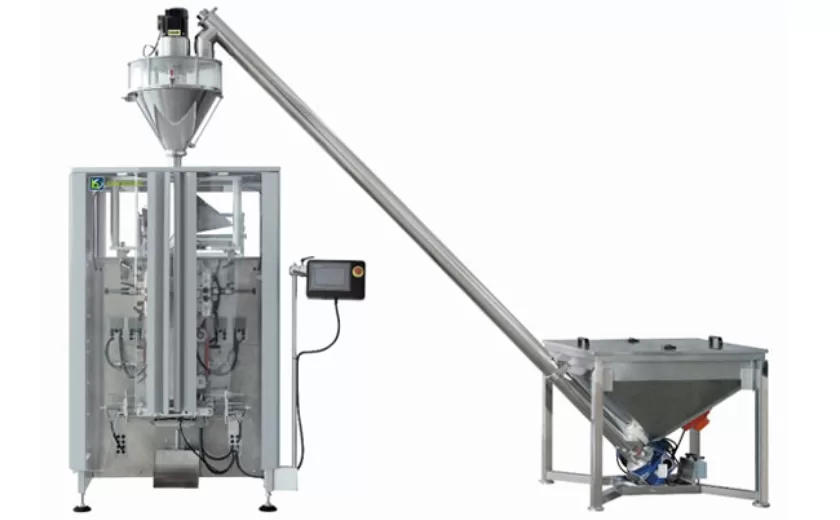
A precision weight packing machine in a food production line
The weight packing machine is a critical asset for businesses that require precise, automated weighing and packaging of products—from small consumer goods to large industrial components. This technology combines digital weighing accuracy with automated packaging capabilities, ensuring consistency, efficiency, and compliance across diverse industries. In this comprehensive guide, we will explore the world of weight packing machines: their core technology, key benefits, industry applications, selection criteria, and future innovations. Whether you’re a food manufacturer ensuring portion control or a logistics company optimizing bulk packaging, this guide will equip you with the insights to leverage weight packing machines for operational excellence. Let’s dive into how this technology can transform your packaging workflow and drive business growth.
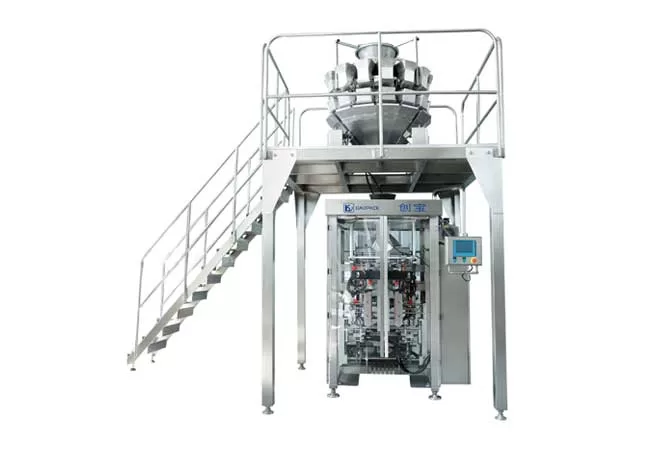
What is a Weight Packing Machine?
Core Technology: How Weight Packing Machines Ensure Precision
Weight packing machines rely on advanced digital weighing systems (load cells, strain gauges, or digital scales) to measure product weight with micron-level accuracy. The core process involves: 1) Product feeding into the weighing hopper, 2) Real-time weight measurement via sensors, 3) Automated adjustment of feeding speed to hit target weight, and 4) Packaging (bagging, sealing, or labeling). Unlike manual weighing, this system eliminates human error and ensures compliance with regulatory standards (e.g., FDA labeling requirements for food products).
Key Components of a Weight Packing Machine
A weight packing machine consists of interconnected components tailored for precision: a hopper (product storage), weighing module (load cells + digital controller), feeding system (vibratory, screw, or belt), packaging unit (heat sealers, baggers, or cartoners), and HMI (human-machine interface) for programming. For example, a food-grade weight packing machine uses stainless steel hoppers to prevent contamination, while industrial models use reinforced materials to handle heavy components.
Benefits of Using a Weight Packing Machine
Unmatched Accuracy & Compliance
The primary benefit of a weight packing machine is its ability to deliver consistent weight measurements (±0.1g for small products, ±10g for bulk items). This is critical for industries like pharmaceuticals (where dosage accuracy is life-saving) and food (where portion control impacts customer satisfaction). A study by the International Organization for Standardization (ISO) found that automated weight packing machines reduce weight discrepancies by 95% compared to manual processes.
Boosted Efficiency & Cost Savings
Weight packing machines automate two labor-intensive tasks: weighing and packaging. This reduces labor costs by up to 70% and increases production speed (up to 300 packages per minute for high-speed models). For example, a snack manufacturer using a weight packing machine can fill 100g bags of chips at 200 packages per minute—cutting packaging time by 60% and reducing product waste by 25% (from overfilling).
Applications of Weight Packing Machines
Food & Beverage Industry
In the food sector, weight packing machines are used for portioned products (snacks, cereals, frozen foods) and bulk items (flour, sugar, rice). A bakery might use a weight packing machine to fill 500g bags of bread flour, ensuring each bag meets nutritional labeling requirements. The machine’s ability to handle variable product textures (crunchy, powdery, sticky) makes it ideal for diverse food products.
Pharmaceutical & Healthcare Industry
Pharmaceutical companies rely on weight packing machines to package medications, supplements, and medical devices with strict weight tolerances. For example, a vitamin manufacturer uses a weight packing machine to fill 100mg vitamin capsules into bottles, ensuring each bottle contains the exact dosage. The machine’s sterile design complies with GMP (Good Manufacturing Practices) standards.
How to Choose the Right Weight Packing Machine
Assessing Product Type & Weight Range
The first step in selecting a weight packing machine is analyzing your product’s characteristics: Is it a small consumer good (10g–1kg) or bulk industrial item (10kg–100kg)? Does it require sterile handling (pharmaceuticals) or food-grade materials (food)? For example, a vibratory weight packing machine is ideal for small, free-flowing products (snacks), while a screw-feeder model works better for powdery items (flour).
Evaluating Production Speed & Scalability
Your production volume will dictate the machine’s speed: small businesses might opt for a single-head weigher (50–100 packages per minute), while large-scale operations need multi-head weighers (200–300 packages per minute). It’s also important to choose a machine with scalable capacity—e.g., a modular weight packing machine that can add heads as production grows.
Maintenance & Troubleshooting for Weight Packing Machines
Routine Maintenance Best Practices
To ensure longevity and accuracy, weight packing machines require regular maintenance: 1) Calibrate load cells monthly (using standard weights), 2) Clean hoppers and feeding systems daily (to prevent product buildup), 3) Inspect sensors and wiring quarterly. For example, a coffee roaster using a weight packing machine should clean the hopper daily to remove coffee grounds and calibrate load cells monthly to maintain 0.5g accuracy.
Common Issues & Solutions
Common problems include: 1) Inconsistent weight readings (uncalibrated load cells), 2) Product jams (incorrect feeding speed), 3) Seal failures (temperature or pressure issues). Troubleshooting tips: Recalibrate load cells if readings are off, adjust feeding speed to reduce jams, and check seal temperature for packaging issues. These steps minimize downtime and keep production on track.
Future Trends in Weight Packing Machine Technology
AI-Powered Weighing & Quality Control
The next generation of weight packing machines will integrate AI to optimize weighing accuracy and detect defects. For example, an AI-powered machine can identify product contaminants (e.g., metal fragments in food) during the weighing process, reducing recall risks. This technology also uses machine learning to adjust feeding speeds based on product flow, improving efficiency.
Sustainable Packaging Integration
As businesses prioritize sustainability, weight packing machines are being designed to use eco-friendly packaging materials (compostable bags, recycled cardboard) and reduce product waste. For example, a weight packing machine with a “smart overfill prevention” feature can reduce product waste by 15%—aligning with global sustainability goals.
Conclusion
The weight packing machine is more than a piece of equipment—it’s a strategic investment that drives accuracy, efficiency, and compliance. By understanding its technology, benefits, and applications, businesses can select the right machine to meet their unique needs and stay ahead of industry trends. Whether you’re packaging food, pharmaceuticals, or industrial components, a weight packing machine will transform your operations and help you achieve your business goals. Ready to upgrade your packaging process? Explore the latest weight packing machine solutions and unlock the full potential of precision automated packaging.


-
VFFS Equipment: The Ultimate Guide to Vertical Form Fill Seal Technology
13-03-2026 -
The Essential Guide to Weight Packing Machines for Precision Weighing
12-03-2026 -
Power Packing Machine: The Ultimate Guide to Heavy-Duty Packaging Efficiency
11-03-2026 -
Weigher Packing Machine: The Definitive Guide to Precision Weighing & Packaging
10-03-2026 -
Auger Type Powder Filling Machine: The Ultimate Guide to Precision Packaging
09-03-2026 -
Advanced Packing Solutions: Snacks, Sugar, and Frozen Food Machines
29-10-2025 -
Efficient and Reliable Solutions for Salt, Nuts, and Frozen Dumplings Packing
29-10-2025 -
High-Performance Biscuits, Lollipop, and Ketchup Packing Machines for Modern Food Production
29-10-2025 -
Efficient Liquid Filling and Packing Machines for Modern Production
23-10-2025 -
Reliable Granule Packaging Machines for Efficient Production
23-10-2025
