
Advantages of a vertical filling machine
In the arena of modern manufacturing, efficiency and precision are no longer the icing on the cake, but essential elements for survival. For producers of liquid, paste or paste products, the core lifeblood of the packaging line is the filling equipment. Vertical filling machines, as a type of equipment designed for precise filling of containers in a vertically standing position, are undoubtedly reliable pillars in various industries such as food and beverage, pharmaceuticals, cosmetics, and more.
This investment decision is crucial. The right vertical filler can significantly increase productivity, ensure consistent product quality, and significantly reduce material waste. Conversely, one wrong choice can lead to costly downtime, product loss, and customer dissatisfaction. This guide aims to help you make informed investment decisions that will last your line for years to come. By the end of this reading, you’ll have the expertise to select the ideal filling machine for your unique needs.
Core Technology Analysis: What is a Vertical Filling Machine?
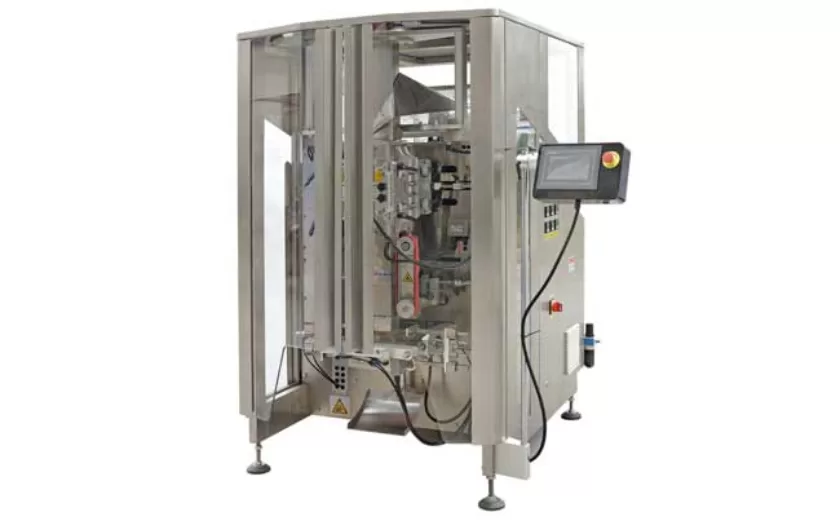
Before diving into the selection criteria, we first need to clearly define what is being discussed. A vertical filler is an automated system that fills a preset volume of product into an upright container. Vertical fillers are generally more space-efficient and can accommodate a wider range of container shapes and sizes than some horizontal systems that require container side-lying operations.
The basic working principle is that the container is conveyed to a designated station via a conveyor belt or indexing disc and precisely positioned under one or more filling heads. Subsequently, depending on the technology employed, the machine’s pumping system is activated, injecting the product into the container. Once filled, the container is transferred to the next process, usually capping or sealing. The so-called “vertical” refers to the attitude of the container throughout the filling process, which is also the most common and stable container orientation in most packaging operations.
Key considerations when choosing equipment
Choosing a vertical filler is by no means a “one-size-fits-all” process. Your choice must be tailored to fit specific product characteristics, production goals, and operational environments. Here are the core factors to evaluate.
1. Product characteristics: the cornerstone that determines the selection of technology
The physical properties of the product are the primary factor in determining the type of filling technology required.
* Viscosity: Is your product as thin as water or as viscous as an emulsion or paste? Thin liquids with good flow can be filled with simpler gravity filling techniques; Viscous products require a filling system with pressure, such as piston or pump.
* Sensitivity: Does the product contain particles, is abrasive, or is sensitive to air (such as certain sauces or chemicals)? This will affect the choice of materials for parts that come into contact with the product, such as stainless steel and specialty plastics, as well as the filling method used to prevent air from being mixed in.
* Foaming: Products such as shampoos or certain detergents tend to foam. Specific filling techniques allow for better handling of such products and avoid excessive foaming.
2. Container specification: the other half is as important as the product
The container you use is just as critical as the product you are inside.
* Size and shape: The vertical filling machine must be able to adapt to the height, diameter, and shape of your containers. Special-shaped containers may require special grippers or grippers to ensure stability during the filling process.
* Material: Are you using glass bottles, plastic jars, flexible bags, or metal cans? The machine must be able to handle the container gently to avoid cracking or deformation.
* Opening size: The size of the container mouth determines the type of filling head that can be used and directly affects filling speed and accuracy.
 3. Production scale and speed requirements: match production capacity requirements
What are your production needs? How high is the speed requirement?
* Low to medium production volumes: For low-volume production or startups, semi-automatic or single-head vertical filling machines may be ideal. They are more cost-effective and offer great flexibility for short batch production.
* High Throughput: For large-scale production, you will need a fully automated, multi-head vertical filling machine. These systems are often integrated with conveyors and automatic capping machines and can operate at extremely high speeds with little to no human intervention.
4. Precision and Cleanliness Standards: Quality and compliance guarantees
Precision is crucial for cost control and customer satisfaction.
* Filling Precision: How critical is it to ensure that each container is filled with exactly the same volume? Industries such as pharmaceuticals have extremely tight tolerance requirements. Look for high-precision machines equipped with high-precision pumps and control systems.
* Hygiene and cleanability: Food, beverage, and pharmaceutical applications require equipment to be easy to clean (typically with CIP-in-place cleaning) and made of hygienic-grade materials such as 304 or 316 stainless steel.
Analysis of mainstream vertical filling technology
Different products require different filling methods. The following are the most common types of technology used in vertical filling systems.
Piston fillers: ideal for high-viscosity products
Piston filling machines are known for their exceptional precision in handling non-free-flowing products. It works by drawing a precisely metered product into a cylinder and pushing it into the container through a nozzle. It is ideal for creams, ointments, pastes, as well as sauces, yogurts and other foods.
Gravity fillers: simple and economical solutions for thin liquids
This is one of the easiest and most cost-effective methods. The product is stored in a bin above the filling head and flows into the container below by gravity. It is best used for water, juice, oil, and other thin liquids that do not foam easily. However, the filling accuracy is affected by changes in the product level in the bin.
Pump Filling Machines: A versatile and stable choice
Pump filling machines use rotary or peristaltic pumps to transport product from the supply tank to the filling head. It strikes a good balance between speed and accuracy, and can handle products with a wide viscosity range, making it a popular choice for many general-purpose applications.
Financial Planning: Budget for your vertical filling machine
The cost of vertical filling machines varies greatly depending on their features, level of automation, and brand. Therefore, it is essential to look beyond the initial purchase price.
* Initial Investment: Includes the cost of the machine itself, transportation, and installation.
* Operating costs: Consider the cost of energy consumption such as water, electricity, compressed air, maintenance, spare parts, and any required consumables.
* ROI: A more efficient machine may have a higher upfront investment but can quickly pay for itself by reducing labor costs, increasing output, and reducing product waste. Calculate the potential ROI based on your current inefficiencies.
Investing in the future: ensuring the long-term adaptability of the equipment
Your business will grow and change, and your equipment should be able to upgrade in sync. When selecting a vertical filling machine, consider its flexibility.
* Ease of changeover: How fast and easy is it to change container specifications or product types? Look for models with tool-free changeovers.
* Modularity and scalability: Will more filling heads be added in the future or integrated with other equipment such as capping machines, labelers, etc.? Modular vertical filling machines allow you to expand your production line as your business grows.
Conclusion: Make the right choices that support long-term success
Selecting the ideal vertical filling machine is a strategic decision that profoundly impacts your product quality, operational efficiency, and profitability. There is no “best” machine for every scenario, only the “best” machine for your specific application. By carefully evaluating your products, containers, production goals, and budget, you can gradually narrow down your options.
Remember, it’s essential to choose a reputable manufacturer that offers strong technical support, training, and after-sales service. A high-quality vertical filling machine is a long-term asset that, when chosen correctly, will become the cornerstone of your successful product line for years to come, ensuring that your business remains competitive in 2027 and beyond. Be sure to invest time, do thorough research, and make an informed investment.
3. Production scale and speed requirements: match production capacity requirements
What are your production needs? How high is the speed requirement?
* Low to medium production volumes: For low-volume production or startups, semi-automatic or single-head vertical filling machines may be ideal. They are more cost-effective and offer great flexibility for short batch production.
* High Throughput: For large-scale production, you will need a fully automated, multi-head vertical filling machine. These systems are often integrated with conveyors and automatic capping machines and can operate at extremely high speeds with little to no human intervention.
4. Precision and Cleanliness Standards: Quality and compliance guarantees
Precision is crucial for cost control and customer satisfaction.
* Filling Precision: How critical is it to ensure that each container is filled with exactly the same volume? Industries such as pharmaceuticals have extremely tight tolerance requirements. Look for high-precision machines equipped with high-precision pumps and control systems.
* Hygiene and cleanability: Food, beverage, and pharmaceutical applications require equipment to be easy to clean (typically with CIP-in-place cleaning) and made of hygienic-grade materials such as 304 or 316 stainless steel.
Analysis of mainstream vertical filling technology
Different products require different filling methods. The following are the most common types of technology used in vertical filling systems.
Piston fillers: ideal for high-viscosity products
Piston filling machines are known for their exceptional precision in handling non-free-flowing products. It works by drawing a precisely metered product into a cylinder and pushing it into the container through a nozzle. It is ideal for creams, ointments, pastes, as well as sauces, yogurts and other foods.
Gravity fillers: simple and economical solutions for thin liquids
This is one of the easiest and most cost-effective methods. The product is stored in a bin above the filling head and flows into the container below by gravity. It is best used for water, juice, oil, and other thin liquids that do not foam easily. However, the filling accuracy is affected by changes in the product level in the bin.
Pump Filling Machines: A versatile and stable choice
Pump filling machines use rotary or peristaltic pumps to transport product from the supply tank to the filling head. It strikes a good balance between speed and accuracy, and can handle products with a wide viscosity range, making it a popular choice for many general-purpose applications.
Financial Planning: Budget for your vertical filling machine
The cost of vertical filling machines varies greatly depending on their features, level of automation, and brand. Therefore, it is essential to look beyond the initial purchase price.
* Initial Investment: Includes the cost of the machine itself, transportation, and installation.
* Operating costs: Consider the cost of energy consumption such as water, electricity, compressed air, maintenance, spare parts, and any required consumables.
* ROI: A more efficient machine may have a higher upfront investment but can quickly pay for itself by reducing labor costs, increasing output, and reducing product waste. Calculate the potential ROI based on your current inefficiencies.
Investing in the future: ensuring the long-term adaptability of the equipment
Your business will grow and change, and your equipment should be able to upgrade in sync. When selecting a vertical filling machine, consider its flexibility.
* Ease of changeover: How fast and easy is it to change container specifications or product types? Look for models with tool-free changeovers.
* Modularity and scalability: Will more filling heads be added in the future or integrated with other equipment such as capping machines, labelers, etc.? Modular vertical filling machines allow you to expand your production line as your business grows.
Conclusion: Make the right choices that support long-term success
Selecting the ideal vertical filling machine is a strategic decision that profoundly impacts your product quality, operational efficiency, and profitability. There is no “best” machine for every scenario, only the “best” machine for your specific application. By carefully evaluating your products, containers, production goals, and budget, you can gradually narrow down your options.
Remember, it’s essential to choose a reputable manufacturer that offers strong technical support, training, and after-sales service. A high-quality vertical filling machine is a long-term asset that, when chosen correctly, will become the cornerstone of your successful product line for years to come, ensuring that your business remains competitive in 2027 and beyond. Be sure to invest time, do thorough research, and make an informed investment.
3. Production scale and speed requirements: match production capacity requirements
What are your production needs? How high is the speed requirement?
* Low to medium production volumes: For low-volume production or startups, semi-automatic or single-head vertical filling machines may be ideal. They are more cost-effective and offer great flexibility for short batch production.
* High Throughput: For large-scale production, you will need a fully automated, multi-head vertical filling machine. These systems are often integrated with conveyors and automatic capping machines and can operate at extremely high speeds with little to no human intervention.
4. Precision and Cleanliness Standards: Quality and compliance guarantees
Precision is crucial for cost control and customer satisfaction.
* Filling Precision: How critical is it to ensure that each container is filled with exactly the same volume? Industries such as pharmaceuticals have extremely tight tolerance requirements. Look for high-precision machines equipped with high-precision pumps and control systems.
* Hygiene and cleanability: Food, beverage, and pharmaceutical applications require equipment to be easy to clean (typically with CIP-in-place cleaning) and made of hygienic-grade materials such as 304 or 316 stainless steel.
Analysis of mainstream vertical filling technology
Different products require different filling methods. The following are the most common types of technology used in vertical filling systems.
Piston fillers: ideal for high-viscosity products
Piston filling machines are known for their exceptional precision in handling non-free-flowing products. It works by drawing a precisely metered product into a cylinder and pushing it into the container through a nozzle. It is ideal for creams, ointments, pastes, as well as sauces, yogurts and other foods.
Gravity fillers: simple and economical solutions for thin liquids
This is one of the easiest and most cost-effective methods. The product is stored in a bin above the filling head and flows into the container below by gravity. It is best used for water, juice, oil, and other thin liquids that do not foam easily. However, the filling accuracy is affected by changes in the product level in the bin.
Pump Filling Machines: A versatile and stable choice
Pump filling machines use rotary or peristaltic pumps to transport product from the supply tank to the filling head. It strikes a good balance between speed and accuracy, and can handle products with a wide viscosity range, making it a popular choice for many general-purpose applications.
Financial Planning: Budget for your vertical filling machine
The cost of vertical filling machines varies greatly depending on their features, level of automation, and brand. Therefore, it is essential to look beyond the initial purchase price.
* Initial Investment: Includes the cost of the machine itself, transportation, and installation.
* Operating costs: Consider the cost of energy consumption such as water, electricity, compressed air, maintenance, spare parts, and any required consumables.
* ROI: A more efficient machine may have a higher upfront investment but can quickly pay for itself by reducing labor costs, increasing output, and reducing product waste. Calculate the potential ROI based on your current inefficiencies.
Investing in the future: ensuring the long-term adaptability of the equipment
Your business will grow and change, and your equipment should be able to upgrade in sync. When selecting a vertical filling machine, consider its flexibility.
* Ease of changeover: How fast and easy is it to change container specifications or product types? Look for models with tool-free changeovers.
* Modularity and scalability: Will more filling heads be added in the future or integrated with other equipment such as capping machines, labelers, etc.? Modular vertical filling machines allow you to expand your production line as your business grows.
Conclusion: Make the right choices that support long-term success
Selecting the ideal vertical filling machine is a strategic decision that profoundly impacts your product quality, operational efficiency, and profitability. There is no “best” machine for every scenario, only the “best” machine for your specific application. By carefully evaluating your products, containers, production goals, and budget, you can gradually narrow down your options.
Remember, it’s essential to choose a reputable manufacturer that offers strong technical support, training, and after-sales service. A high-quality vertical filling machine is a long-term asset that, when chosen correctly, will become the cornerstone of your successful product line for years to come, ensuring that your business remains competitive in 2027 and beyond. Be sure to invest time, do thorough research, and make an informed investment.


-
VFFS Equipment: The Ultimate Guide to Vertical Form Fill Seal Technology
13-03-2026 -
The Essential Guide to Weight Packing Machines for Precision Weighing
12-03-2026 -
Power Packing Machine: The Ultimate Guide to Heavy-Duty Packaging Efficiency
11-03-2026 -
Weigher Packing Machine: The Definitive Guide to Precision Weighing & Packaging
10-03-2026 -
Auger Type Powder Filling Machine: The Ultimate Guide to Precision Packaging
09-03-2026 -
Advanced Packing Solutions: Snacks, Sugar, and Frozen Food Machines
29-10-2025 -
Efficient and Reliable Solutions for Salt, Nuts, and Frozen Dumplings Packing
29-10-2025 -
High-Performance Biscuits, Lollipop, and Ketchup Packing Machines for Modern Food Production
29-10-2025 -
Efficient Liquid Filling and Packing Machines for Modern Production
23-10-2025 -
Reliable Granule Packaging Machines for Efficient Production
23-10-2025
