
Environmental Considerations in Jelly Pouch Packing Processes
Jelly pouch packing is an essential process in the food and beverage industry. It involves filling pre-formed pouches with liquid or semi-liquid products, such as jelly, pudding, or sauces. However, the traditional methods of jelly pouch packing have raised significant environmental concerns, prompting the need for more sustainable approaches.
Waste Reduction
Traditional jelly pouch packing processes produce a substantial amount of waste. The pouches are typically made from non-biodegradable materials, which end up in landfills or as litter. Additionally, the production of these pouches requires the extraction of raw materials, such as petroleum, contributing to environmental degradation. By adopting eco-friendly packaging solutions, such as biodegradable pouches, manufacturers can significantly reduce their waste footprint.
Energy Conservation
The manufacturing process of traditional jelly pouches involves energy-intensive steps, such as blow molding and laminating. These processes consume large amounts of electricity and fossil fuels, contributing to greenhouse gas emissions. By optimizing the production processes and using energy-efficient equipment, manufacturers can minimize their energy consumption and reduce their carbon footprint.
Water Conservation
Water is an essential resource used in the cleaning and rinsing processes of jelly pouch packing. Traditional methods often result in excessive water usage and discharge of contaminated wastewater. By implementing water-saving technologies, such as closed-loop systems and efficient cleaning agents, manufacturers can reduce their water consumption and minimize the environmental impact on water resources.
Material Sourcing
The materials used in jelly pouch packing play a vital role in environmental sustainability. By sourcing materials from renewable and sustainable sources, manufacturers can reduce their reliance on fossil fuels and promote biodiversity. The use of plant-based or recycled materials not only reduces waste but also contributes to a circular economy.
Sustainable Supply Chain
A sustainable jelly pouch packing process requires a comprehensive approach that encompasses the entire supply chain. Collaboration with suppliers who share similar environmental values ensures that the raw materials and packaging components are produced in an environmentally responsible manner. By implementing eco-friendly practices throughout the supply chain, manufacturers can amplify their positive impact on the environment.
Environmental considerations are of paramount importance in the jelly pouch packing industry. By adopting sustainable practices in waste reduction, energy conservation, water conservation, material sourcing, and supply chain management, manufacturers can significantly reduce their environmental footprint and contribute to a more sustainable future. As consumers become increasingly environmentally conscious, it is imperative for the industry to embrace eco-friendly solutions to meet the demands of both the market and the planet.


-
VFFS Equipment: The Ultimate Guide to Vertical Form Fill Seal Technology
13-03-2026 -
The Essential Guide to Weight Packing Machines for Precision Weighing
12-03-2026 -
Power Packing Machine: The Ultimate Guide to Heavy-Duty Packaging Efficiency
11-03-2026 -
Weigher Packing Machine: The Definitive Guide to Precision Weighing & Packaging
10-03-2026 -
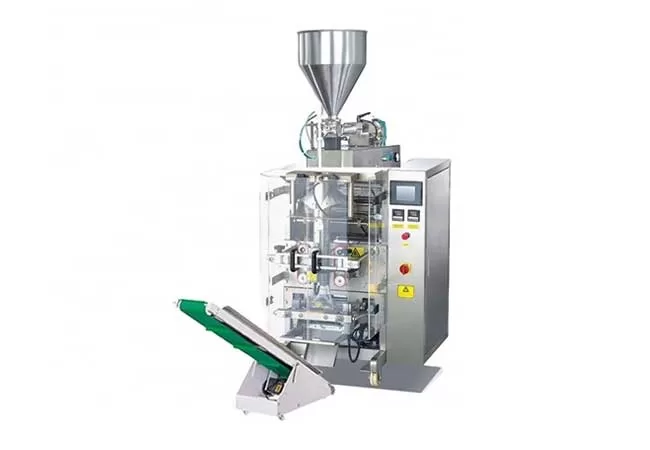
Auger Type Powder Filling Machine: The Ultimate Guide to Precision Packaging
09-03-2026 -
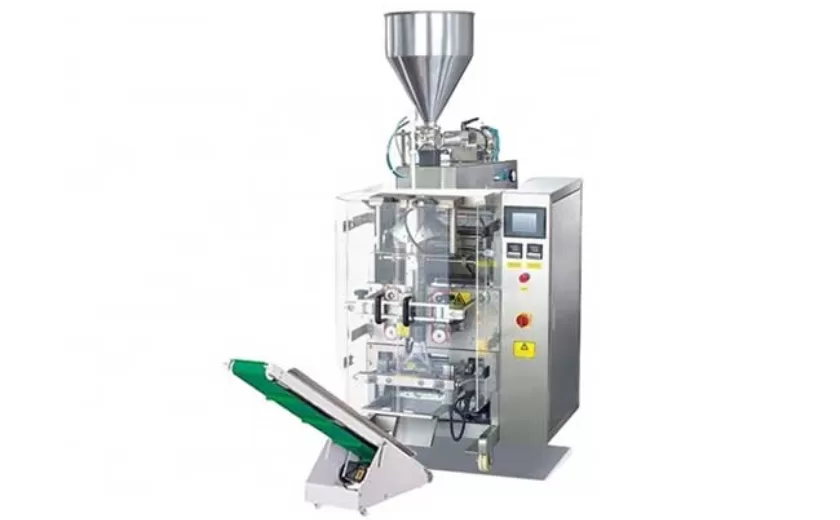
Advanced Packing Solutions: Snacks, Sugar, and Frozen Food Machines
29-10-2025 -
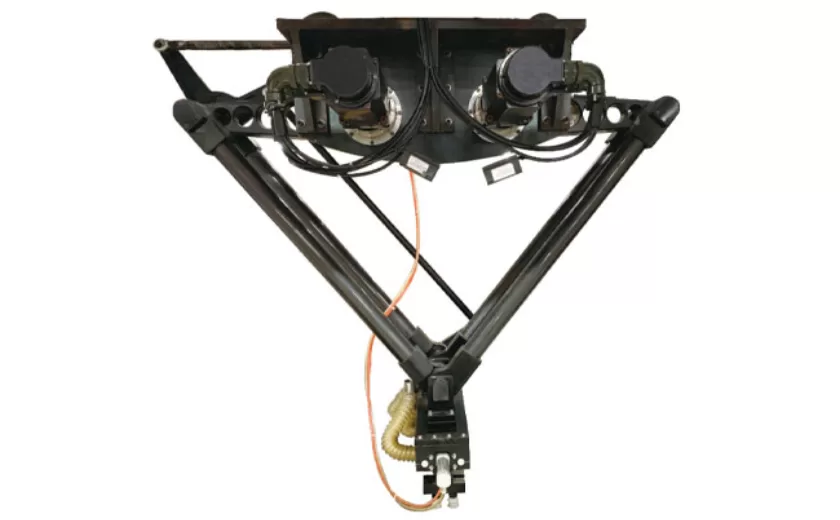
Efficient and Reliable Solutions for Salt, Nuts, and Frozen Dumplings Packing
29-10-2025 -
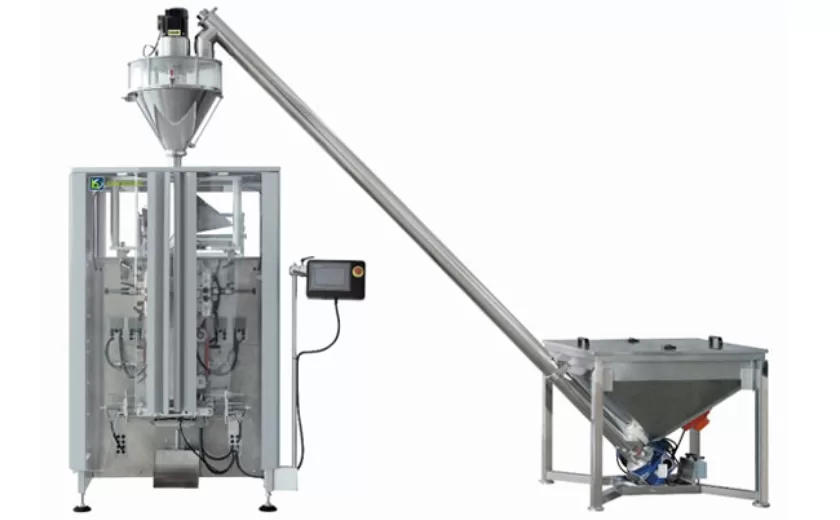
High-Performance Biscuits, Lollipop, and Ketchup Packing Machines for Modern Food Production
29-10-2025 -
Efficient Liquid Filling and Packing Machines for Modern Production
23-10-2025 -
Reliable Granule Packaging Machines for Efficient Production
23-10-2025
