
Best Practices for Cleaning and Maintaining Net Weight Filling Machines
Best Practices for Cleaning and Maintaining Net Weight Filling Machines: A Comprehensive Guide
Introduction
In the food and beverage industry, maintaining impeccable hygiene and precision is paramount. Net weight filling machines play a crucial role in ensuring that packages meet exact weight specifications, but they also require meticulous cleaning and maintenance to prevent contamination and maximize efficiency. This guide provides industry-leading best practices for cleaning and maintaining net weight filling machines, empowering manufacturers to uphold the highest standards of quality and safety.
Cleaning Procedures
Frequency: Conduct daily cleaning for optimum performance.
Disassembly: Remove removable parts, including filling heads, hoppers, and conveyor belts.
Cleaning Agents: Use approved cleaning solutions to remove product residue and prevent buildup.
Sanitization: Disinfect all surfaces that come into contact with the product to eliminate bacteria and viruses.
Verification: Ensure complete cleaning by visually inspecting and swab testing surfaces.
Maintenance Practices
Regular Lubrication: Lubricate moving parts as per manufacturer’s recommendations to prevent wear and optimize functionality.
Calibrations: Calibrate weighing systems regularly to maintain accuracy and prevent overfill or underfill.
Inspections: Conduct periodic inspections to identify potential issues and address them before they escalate.
Preventive Measures: Implement routine maintenance tasks to minimize downtime and prolong machine life.
Spare Parts: Maintain a supply of critical spare parts for immediate replacement if necessary.
Additional Tips
Train Operators: Train operators on proper cleaning and maintenance techniques to ensure consistent and effective practices.
Documentation: Keep detailed records of all cleaning and maintenance activities for traceability and regulatory compliance.
Validation: Regularly validate cleaning procedures and maintenance practices to demonstrate their effectiveness and compliance with industry standards.
Continuous Improvement: Seek opportunities for continuous improvement by evaluating cleaning and maintenance plans and implementing best practices from industry peers.
By adhering to these best practices, manufacturers can ensure that their net weight filling machines operate at peak performance, produce consistent and accurate packages, and meet the highest standards of hygiene and safety. Regular cleaning and maintenance not only extend the life of the equipment but also safeguard product quality, protect against contamination, and minimize downtime, ultimately contributing to a profitable and efficient operation.


-
VFFS Equipment: The Ultimate Guide to Vertical Form Fill Seal Technology
13-03-2026 -
The Essential Guide to Weight Packing Machines for Precision Weighing
12-03-2026 -
Power Packing Machine: The Ultimate Guide to Heavy-Duty Packaging Efficiency
11-03-2026 -
Weigher Packing Machine: The Definitive Guide to Precision Weighing & Packaging
10-03-2026 -
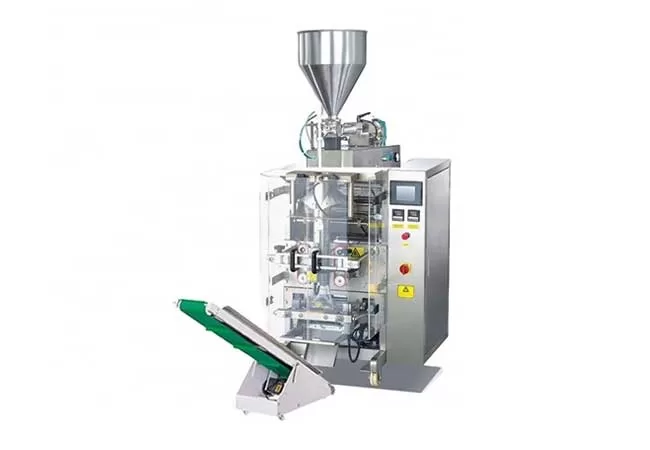
Auger Type Powder Filling Machine: The Ultimate Guide to Precision Packaging
09-03-2026 -
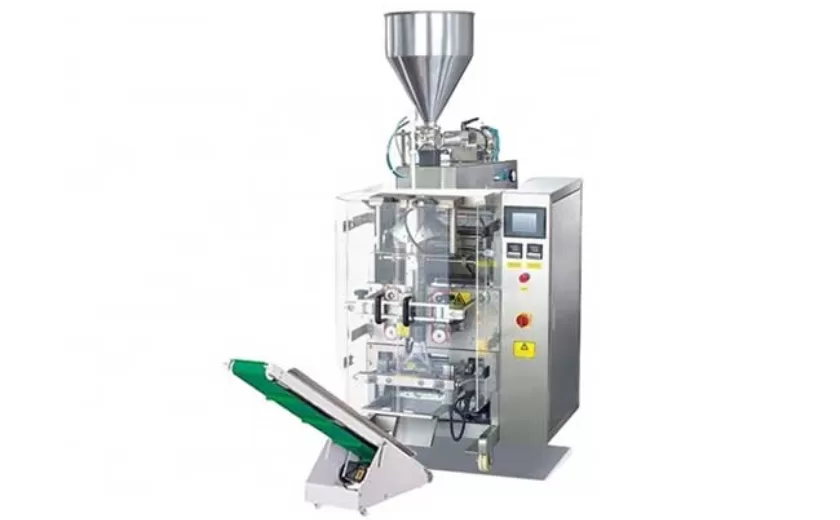
Advanced Packing Solutions: Snacks, Sugar, and Frozen Food Machines
29-10-2025 -
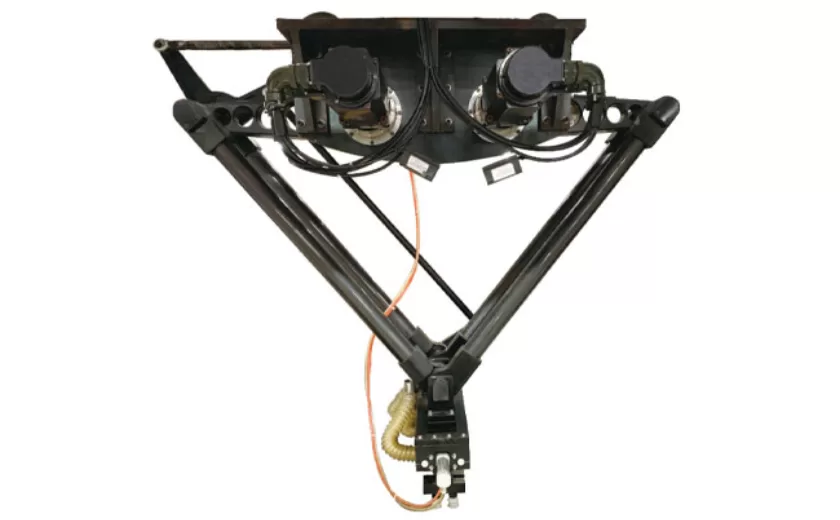
Efficient and Reliable Solutions for Salt, Nuts, and Frozen Dumplings Packing
29-10-2025 -
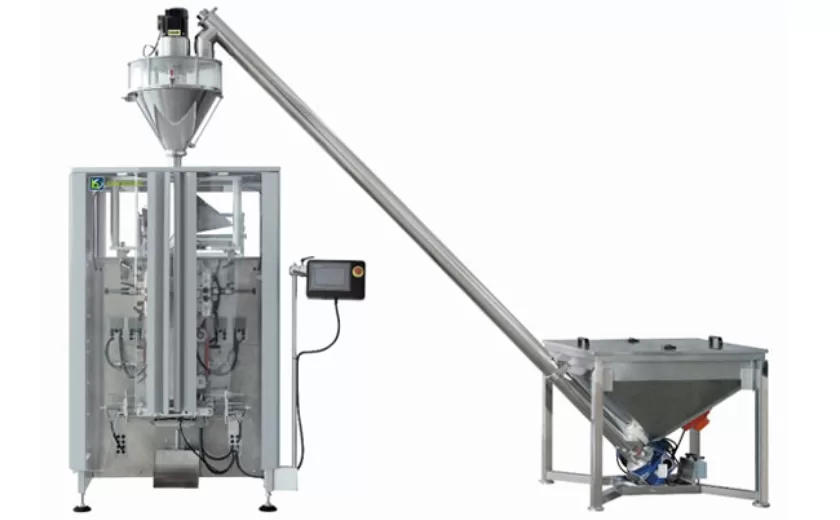
High-Performance Biscuits, Lollipop, and Ketchup Packing Machines for Modern Food Production
29-10-2025 -
Efficient Liquid Filling and Packing Machines for Modern Production
23-10-2025 -
Reliable Granule Packaging Machines for Efficient Production
23-10-2025
