
The Evolution of Liquid Milk Packing Technology
Liquid milk is an essential nutrient-rich food product that requires proper packaging to maintain its quality and safety. Over the years, the technology for packaging liquid milk has undergone significant advancements, leading to improved shelf life, product integrity, and consumer convenience. This article explores the evolution of liquid milk packaging technology, tracing its journey from traditional methods to modern innovations.
Glass Bottles: Early Milk Packaging
The earliest form of liquid milk packaging was glass bottles. Introduced in the 19th century, glass bottles provided a reusable and transparent container that allowed consumers to see the milk’s quality. Initially, bottles were sealed with corks or stoppers, but in 1930, the invention of the crown cork revolutionized glass bottle sealing, ensuring airtightness and tamper-proof protection.
The Rise of Paper Cartons
In the 1950s, paper cartons emerged as a lightweight and affordable alternative to glass bottles. These cartons, made from layers of paperboard and polyethylene, were easier to handle and offered longer shelf life due to their barrier properties. The introduction of aseptic processing and ultra-high temperature (UHT) sterilization further enhanced the shelf life of carton-packed milk.
Plastic Bottles: Convenience and Sustainability
The 1980s marked the advent of plastic bottles for liquid milk packaging. High-density polyethylene (HDPE) and polyethylene terephthalate (PET) bottles provided durability, flexibility, and shatter-resistance. They also offered convenience to consumers through easy handling, resealability, and tamper-proof caps. Recent advances in plastic recycling technology have made plastic bottles a more sustainable packaging option.
The Revolution of Aseptic Packaging
Aseptic packaging revolutionized the liquid milk industry in the late 20th century. This technology involves sterilizing the milk and packaging material separately and then filling the sterile package in a sterile environment. Aseptic packaging significantly extends shelf life without the need for refrigeration, allowing for extended distribution and storage.
Innovations in Active Packaging
In recent years, active packaging has gained prominence in liquid milk packing. Active packaging incorporates materials that interact with the product, extending its shelf life or improving its quality. Time-temperature indicators, oxygen scavengers, and antimicrobial coatings are examples of active packaging technologies that enhance product safety and freshness.
The Future of Liquid Milk Packaging
The evolution of liquid milk packaging technology is ongoing, with a focus on sustainability, convenience, and product protection. Eco-friendly packaging materials, biodegradable coatings, and automated filling systems are among the innovations shaping the future of liquid milk packaging. As the industry continues to advance, the quest for innovative packaging solutions will remain paramount in ensuring the safe and nutritious delivery of liquid milk to consumers worldwide.


-
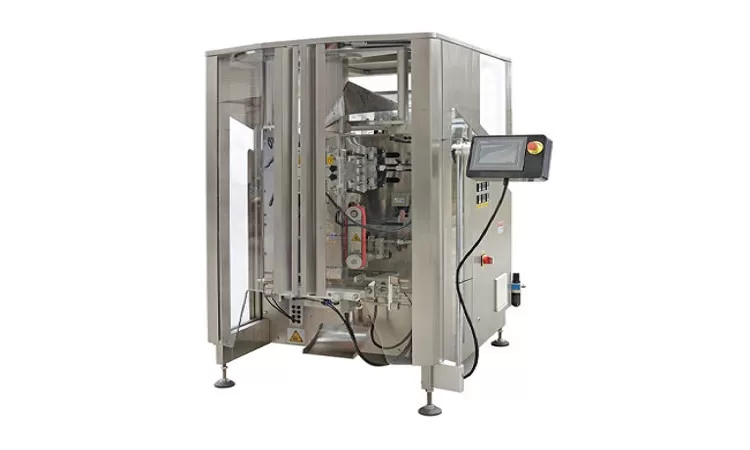
VFFS Equipment: The Ultimate Guide to Vertical Form Fill Seal Technology
13-03-2026 -
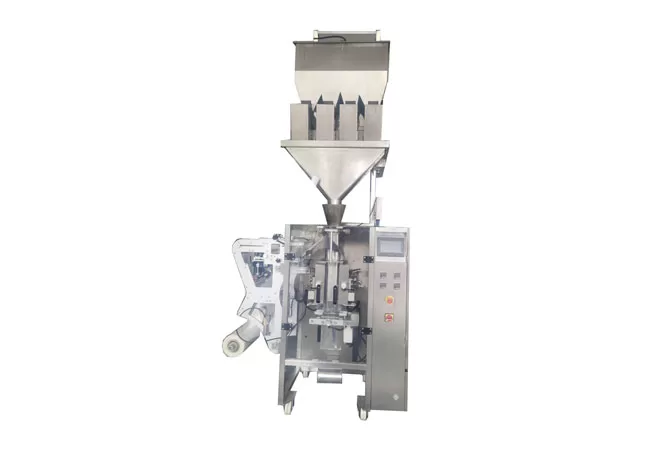
The Essential Guide to Weight Packing Machines for Precision Weighing
12-03-2026 -
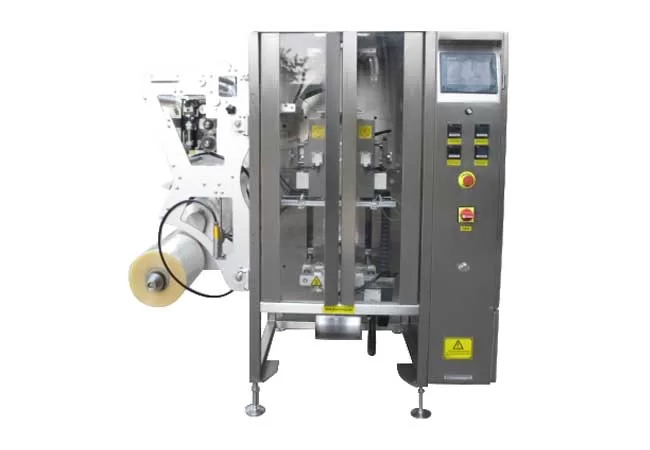
Power Packing Machine: The Ultimate Guide to Heavy-Duty Packaging Efficiency
11-03-2026 -
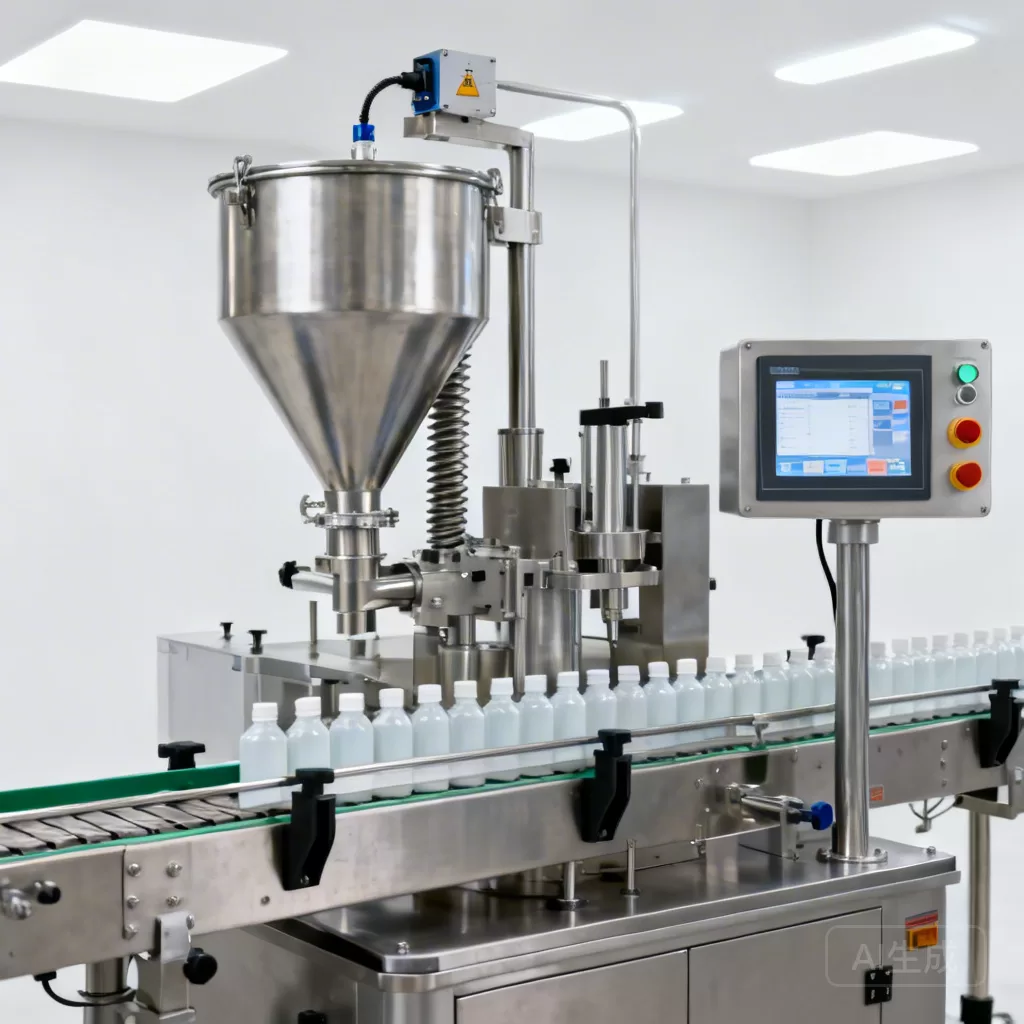
Weigher Packing Machine: The Definitive Guide to Precision Weighing & Packaging
10-03-2026 -
Auger Type Powder Filling Machine: The Ultimate Guide to Precision Packaging
09-03-2026 -
Advanced Packing Solutions: Snacks, Sugar, and Frozen Food Machines
29-10-2025 -
Efficient and Reliable Solutions for Salt, Nuts, and Frozen Dumplings Packing
29-10-2025 -
High-Performance Biscuits, Lollipop, and Ketchup Packing Machines for Modern Food Production
29-10-2025 -
Efficient Liquid Filling and Packing Machines for Modern Production
23-10-2025 -
Reliable Granule Packaging Machines for Efficient Production
23-10-2025
