
Understanding Compliance Regulations for Cooking Oil Pouch Packaging
The packaging of cooking oil plays a crucial role in maintaining the quality and integrity of the oil during storage, transportation, and use. To ensure that cooking oil is adequately protected and meets safety standards, manufacturers must adhere to a comprehensive set of compliance regulations. This article provides an in-depth analysis of the key regulations and guidelines governing cooking oil pouch packaging.
Material Safety and Food Contact Compliance
The materials used in cooking oil pouches must comply with food contact regulations established by relevant regulatory bodies, such as the Food and Drug Administration (FDA) in the United States or the European Food Safety Authority (EFSA) in the European Union.
These regulations specify the allowable types of plastics, inks, and adhesives that can be used in food packaging.
Manufacturers must also ensure that the packaging materials do not leach harmful substances into the oil or compromise its quality.
Packaging Integrity and Leak Resistance
Cooking oil pouches must maintain their integrity and prevent leakage during handling, storage, and transportation.
The packaging must be able to withstand the stresses encountered during distribution and consumer use.
Leakage can lead to contamination of the oil and reduce its shelf life.
Manufacturers must employ rigorous testing and quality control measures to ensure the leak resistance of their pouches.
Labeling and Information Disclosure
Cooking oil pouches must be labeled accurately and informatively to comply with consumer protection regulations.
The labels must clearly state the type of oil, its quantity, and its intended use.
They must also include information on nutritional content, storage instructions, and any potential allergens.
Failure to provide accurate labeling can mislead consumers and pose health risks.
Environmental Sustainability
Increasingly, regulatory frameworks are incorporating environmental sustainability considerations into packaging regulations.
Manufacturers are encouraged to use eco-friendly materials and adopt sustainable packaging practices to reduce their environmental impact.
Some regulations may limit the use of certain plastics or require the use of recyclable or biodegradable materials in packaging.
Regulatory Compliance and Enforcement
Compliance with cooking oil pouch packaging regulations is mandatory and enforced by regulatory agencies.
Manufacturers who fail to comply face penalties, which may include fines, product recalls, or even legal action.
It is crucial for manufacturers to stay abreast of regulatory changes and implement appropriate measures to ensure compliance.
Regular audits and self-assessments can help manufacturers identify areas for improvement and maintain compliance over time.
Understanding compliance regulations for cooking oil pouch packaging is essential for manufacturers to ensure the safety, quality, and integrity of their products. By adhering to the guidelines outlined in this article, manufacturers can meet regulatory requirements, protect consumers, and maintain responsible packaging practices.


-
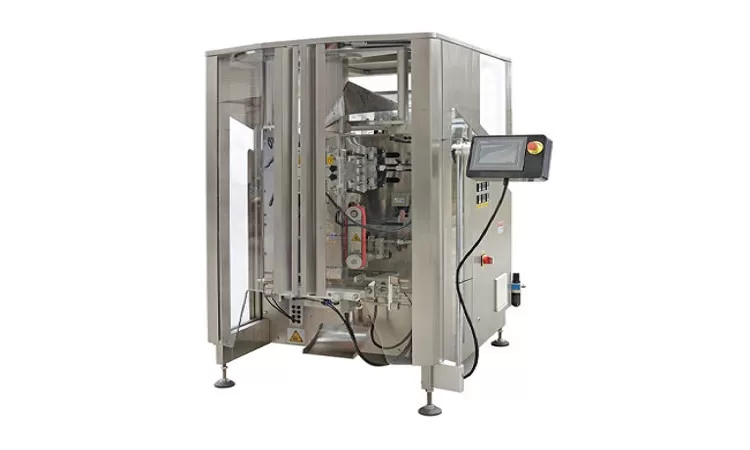
VFFS Equipment: The Ultimate Guide to Vertical Form Fill Seal Technology
13-03-2026 -
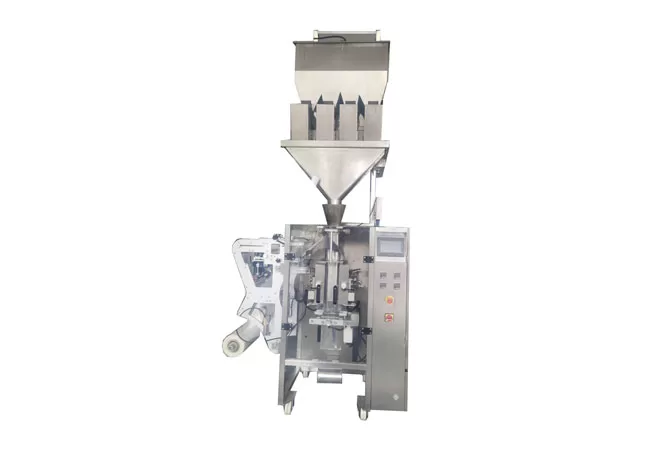
The Essential Guide to Weight Packing Machines for Precision Weighing
12-03-2026 -
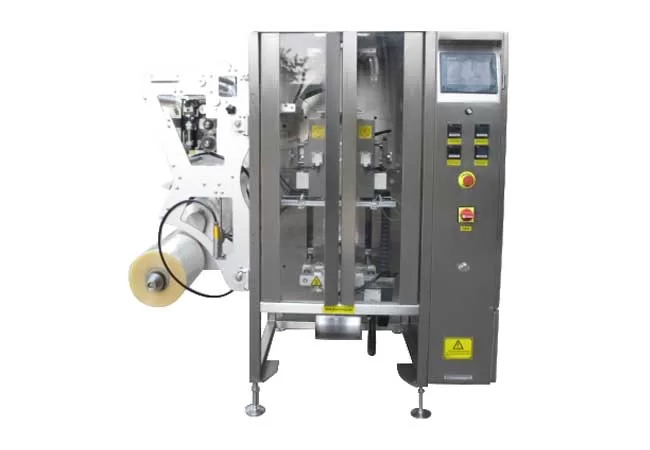
Power Packing Machine: The Ultimate Guide to Heavy-Duty Packaging Efficiency
11-03-2026 -

Weigher Packing Machine: The Definitive Guide to Precision Weighing & Packaging
10-03-2026 -
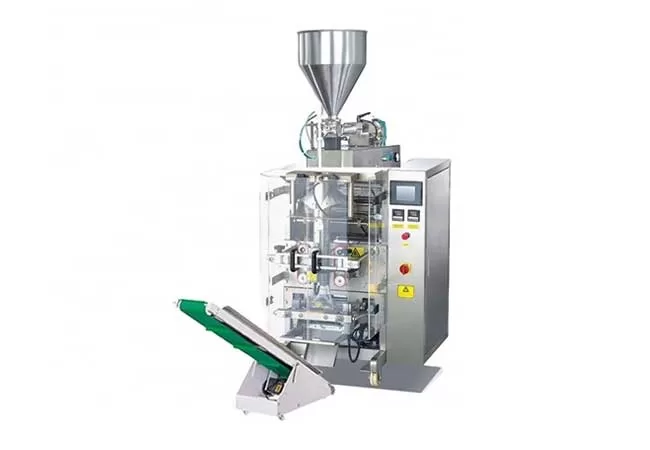
Auger Type Powder Filling Machine: The Ultimate Guide to Precision Packaging
09-03-2026 -
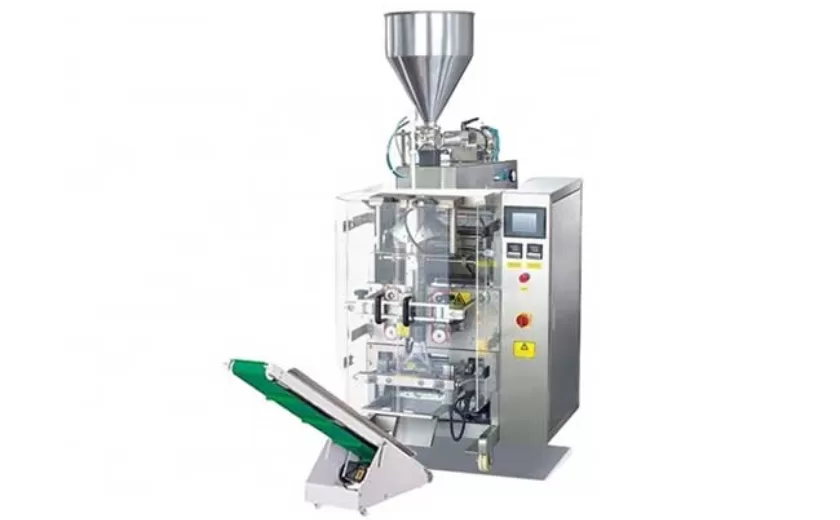
Advanced Packing Solutions: Snacks, Sugar, and Frozen Food Machines
29-10-2025 -
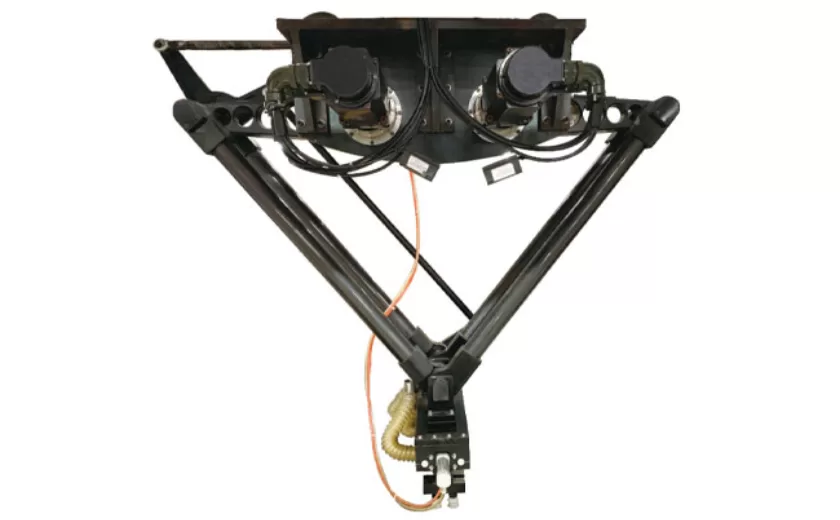
Efficient and Reliable Solutions for Salt, Nuts, and Frozen Dumplings Packing
29-10-2025 -
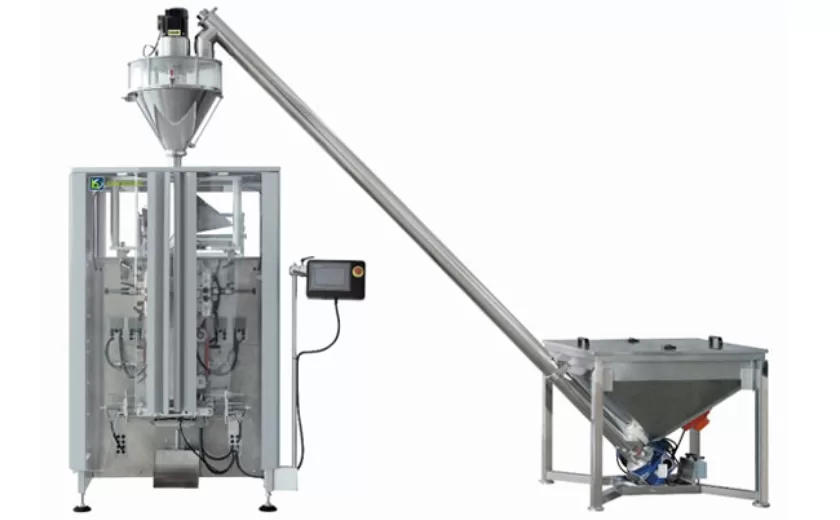
High-Performance Biscuits, Lollipop, and Ketchup Packing Machines for Modern Food Production
29-10-2025 -
Efficient Liquid Filling and Packing Machines for Modern Production
23-10-2025 -
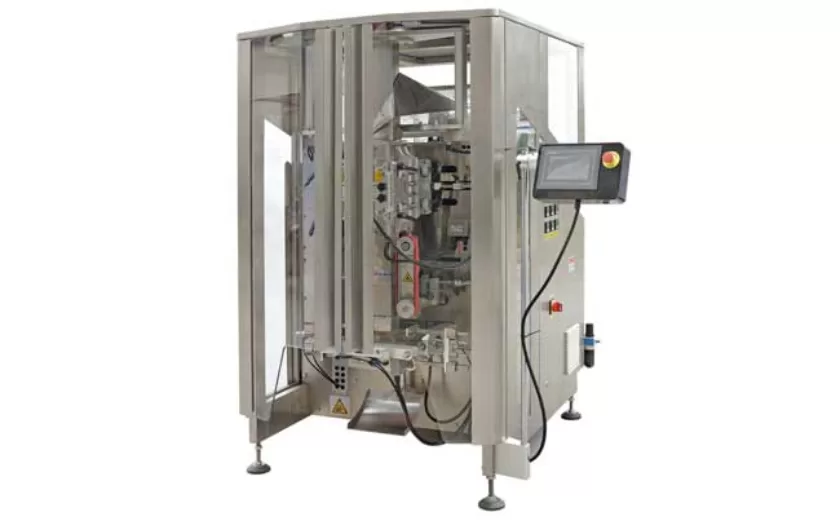
Reliable Granule Packaging Machines for Efficient Production
23-10-2025
