
The Economics of Sugar Sachet Packing- A Comprehensive Overview
Sugar sachet packing is a ubiquitous aspect of the food and beverage industry, with countless sachets consumed daily across the globe. This comprehensive overview delves into the intricate economics of sugar sachet packing, examining its key aspects and impact on consumers, businesses, and the environment.
Raw Material Costs and Procurement
The primary raw material in sugar sachets is granulated sugar. Fluctuations in sugar prices, influenced by factors such as weather, pests, and global demand, can significantly impact the cost of production. Efficient procurement strategies, including long-term contracts with suppliers and exploring alternative sourcing options, are crucial for managing raw material costs.
Packaging Materials and Manufacturing
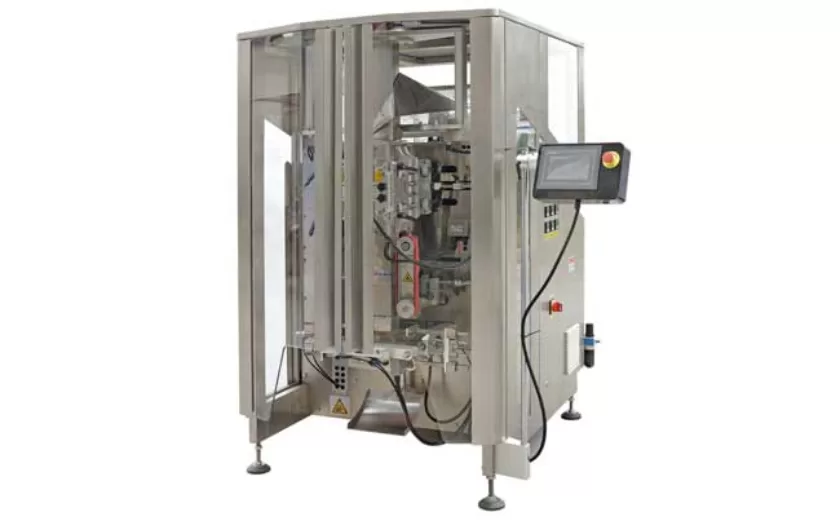
Sugar sachets are typically made of paper or plastic. The choice of material, along with the size and design of the sachets, affects packaging costs. Advanced manufacturing techniques, such as automated filling and sealing machines, optimize efficiency and reduce labor costs.
Distribution and Logistics
Efficient distribution and logistics are essential for delivering sugar sachets to consumers. Factors such as transportation costs, storage requirements, and inventory management influence the overall economics of packing. Optimizing distribution channels and minimizing waste through streamlined packaging and bulk shipments can reduce expenses.
Consumer Demand and Pricing
Consumer demand for sugar sachets varies based on cultural preferences, dietary habits, and convenience. Understanding market trends and targeting specific customer segments are vital for setting competitive prices. Balancing consumer demand with production costs is crucial for maximizing revenue.
Environmental Impact and Sustainability
Sugar sachet packing has environmental implications. The choice of biodegradable or recyclable packaging materials, energy-efficient manufacturing practices, and waste reduction initiatives are essential for mitigating the environmental footprint. Sustainable practices can enhance brand reputation and contribute to long-term profitability.
Government Regulations and Standards
Sugar sachet packing is subject to government regulations regarding food safety, packaging labeling, and environmental protection. Adhering to these regulations ensures compliance, protects consumers, and enables businesses to operate legally.
Technological Advancements
Technological advancements in sugar sachet packing include automated filling and sealing systems, innovative packaging materials, and traceability solutions. These advancements enhance efficiency, improve product quality, and support environmental sustainability.
Economic Outlook and Future Trends
The economics of sugar sachet packing is expected to evolve in the coming years. Rising consumer awareness of health and environmental concerns may drive demand for sustainable packaging solutions. Technological innovations and changing consumer preferences will continue to shape the industry.
The economics of sugar sachet packing involve a complex interplay of raw material costs, packaging materials, manufacturing, distribution, consumer demand, environmental impact, government regulations, and technological advancements. Understanding these aspects enables businesses to optimize their operations, address sustainability concerns, and capitalize on the evolving dynamics of the industry.


-
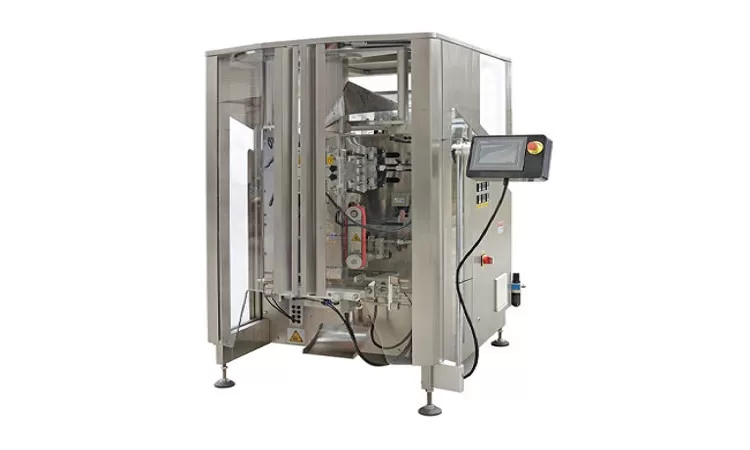
VFFS Equipment: The Ultimate Guide to Vertical Form Fill Seal Technology
13-03-2026 -
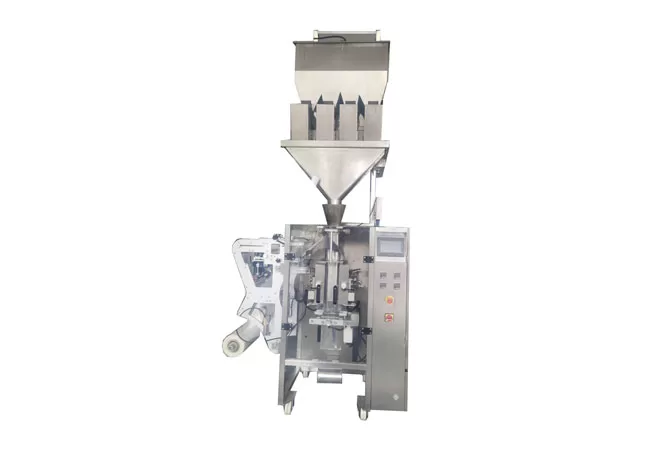
The Essential Guide to Weight Packing Machines for Precision Weighing
12-03-2026 -
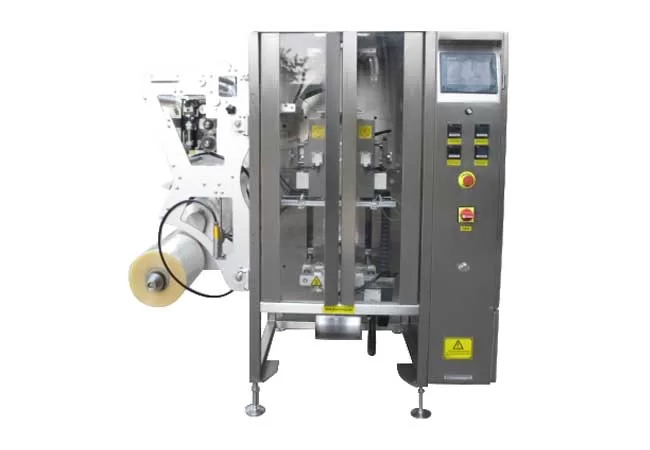
Power Packing Machine: The Ultimate Guide to Heavy-Duty Packaging Efficiency
11-03-2026 -
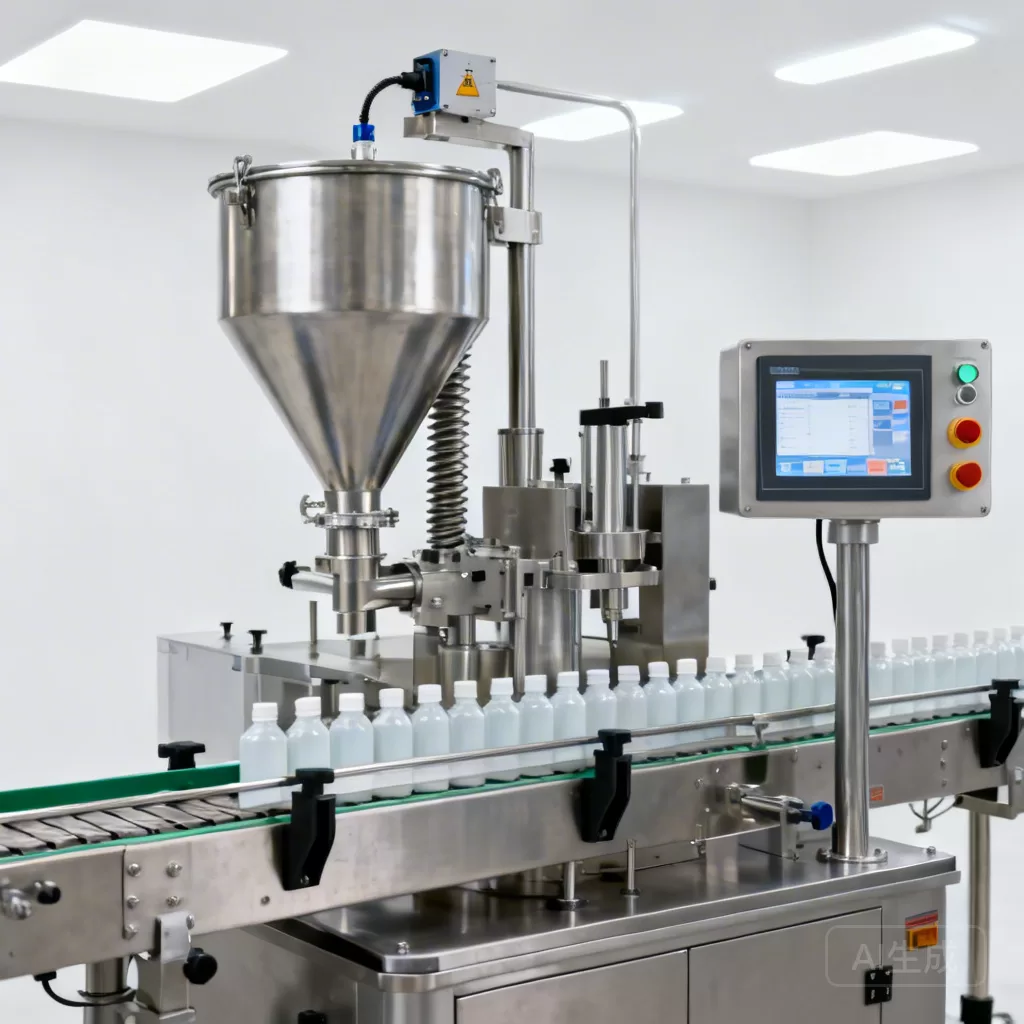
Weigher Packing Machine: The Definitive Guide to Precision Weighing & Packaging
10-03-2026 -
Auger Type Powder Filling Machine: The Ultimate Guide to Precision Packaging
09-03-2026 -
Advanced Packing Solutions: Snacks, Sugar, and Frozen Food Machines
29-10-2025 -
Efficient and Reliable Solutions for Salt, Nuts, and Frozen Dumplings Packing
29-10-2025 -
High-Performance Biscuits, Lollipop, and Ketchup Packing Machines for Modern Food Production
29-10-2025 -
Efficient Liquid Filling and Packing Machines for Modern Production
23-10-2025 -
Reliable Granule Packaging Machines for Efficient Production
23-10-2025
