
The Benefits of Eco-Friendly Packaging for Tomato Paste
The Environmental Imperative: Unveiling the Benefits of Eco-Friendly Packaging for Tomato Paste
In an era where environmental consciousness reigns supreme, adopting sustainable practices in every facet of our lives has become paramount. The food industry, with its vast resource consumption and waste generation, is no exception to this shift towards environmental stewardship. Amidst the myriad of packaged food products, tomato paste stands out as a staple in kitchens worldwide, calling for an urgent examination of its environmental impact.
Conventional tomato paste packaging, primarily composed of plastic, has long been associated with a plethora of environmental concerns. The non-biodegradable nature of plastic contributes to landfill accumulation and the release of harmful chemicals into the environment. Plastic packaging also poses a significant threat to marine life, often entangling or ingesting these plastic waste fragments.
Recognizing the gravity of these environmental challenges, the food industry is embracing eco-friendly packaging solutions for tomato paste. Sustainable alternatives, such as paperboard, biodegradable plastics, and reusable containers, offer an array of benefits that not only reduce the environmental footprint of tomato paste consumption but also align with the growing consumer demand for eco-conscious products.
1. Reduced Carbon Footprint:
Eco-friendly packaging materials, such as paperboard and biodegradable plastics, have a significantly lower carbon footprint compared to traditional plastic packaging. Their production and disposal processes emit fewer greenhouse gases, contributing to the mitigation of climate change.
2. Biodegradability and Composting:
Paperboard and biodegradable plastics decompose naturally, unlike traditional plastics. This biodegradability minimizes the accumulation of waste in landfills and promotes the circular economy. Composting biodegradable packaging materials returns valuable organic matter to the soil, enriching its fertility.
3. Resource Conservation:
Sustainable packaging solutions often utilize recycled materials, reducing the demand for virgin resources. By extending the lifespan of existing materials, eco-friendly packaging conserves natural resources and minimizes the depletion of forests and fossil fuels.
4. Improved Product Preservation:
Contrary to misconceptions, eco-friendly packaging can effectively preserve the quality and freshness of tomato paste. Paperboard and biodegradable plastics provide ample protection against moisture, light, and oxygen, ensuring the product’s shelf life and minimizing food waste.
5. Consumer Demand and Market Opportunity:
Consumers are increasingly demanding sustainable products that align with their environmental values. By embracing eco-friendly packaging, food manufacturers can cater to this growing demand and gain a competitive advantage. Sustainable packaging also creates new market opportunities for innovative and environmentally conscious businesses.
The adoption of eco-friendly packaging for tomato paste is an imperative step towards a more sustainable food industry. By reducing carbon footprint, promoting biodegradability, conserving resources, preserving product quality, and meeting consumer demand, sustainable packaging offers a comprehensive solution to the environmental challenges posed by conventional plastic packaging. Embracing this eco-conscious approach is not only a responsibility but also a strategic business decision, paving the way for a greener and more sustainable future in food consumption.


-
VFFS Equipment: The Ultimate Guide to Vertical Form Fill Seal Technology
13-03-2026 -
The Essential Guide to Weight Packing Machines for Precision Weighing
12-03-2026 -
Power Packing Machine: The Ultimate Guide to Heavy-Duty Packaging Efficiency
11-03-2026 -
Weigher Packing Machine: The Definitive Guide to Precision Weighing & Packaging
10-03-2026 -
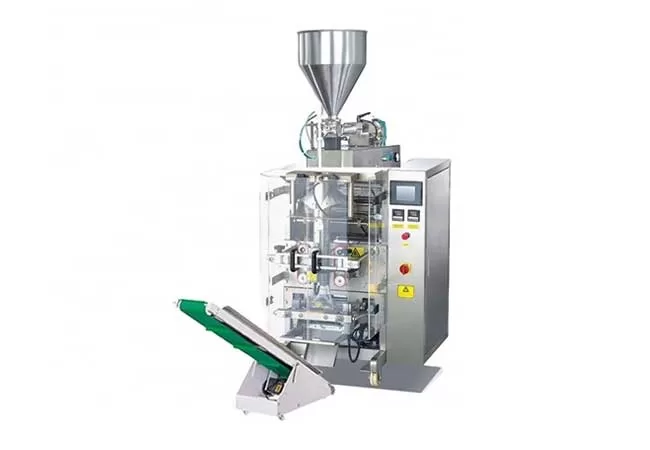
Auger Type Powder Filling Machine: The Ultimate Guide to Precision Packaging
09-03-2026 -
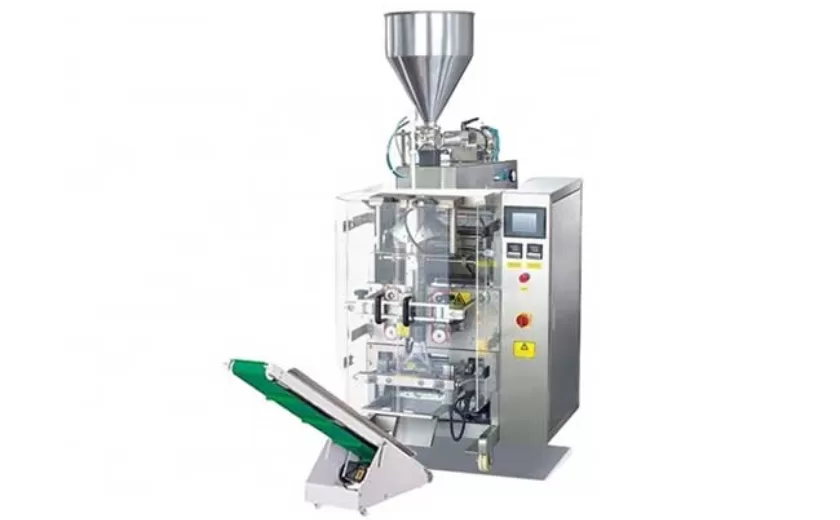
Advanced Packing Solutions: Snacks, Sugar, and Frozen Food Machines
29-10-2025 -

Efficient and Reliable Solutions for Salt, Nuts, and Frozen Dumplings Packing
29-10-2025 -
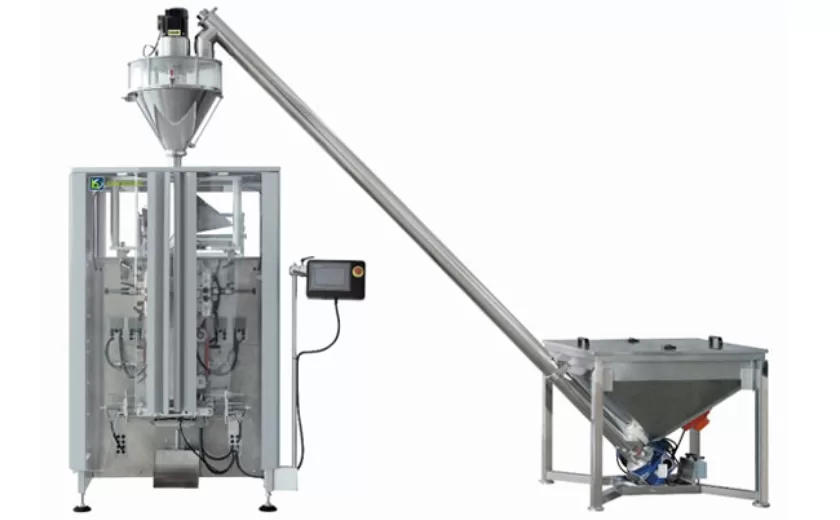
High-Performance Biscuits, Lollipop, and Ketchup Packing Machines for Modern Food Production
29-10-2025 -
Efficient Liquid Filling and Packing Machines for Modern Production
23-10-2025 -
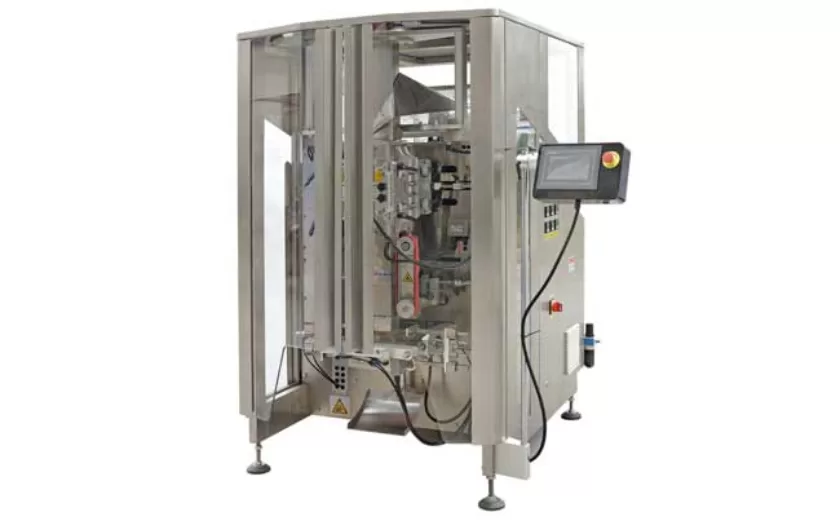
Reliable Granule Packaging Machines for Efficient Production
23-10-2025
