
The Role of Flow Wrapper Packaging in Reducing Waste
Introduction
Flow wrapper packaging, a type of flexible packaging material, plays a significant role in minimizing waste in various sectors. Its unique properties and versatile applications make it an environmentally friendly alternative to traditional packaging methods. This article explores the multifaceted role of flow wrapper packaging in reducing waste and promoting sustainability.
Minimizing Material Usage
Flow wrapper packaging is made from thin, lightweight plastic film, which requires less material compared to other packaging options like cartons or rigid containers. The precise fitting of the film around the product minimizes excess packaging, reducing resource consumption and lowering disposal costs. Additionally, the use of recycled or biodegradable materials in flow wrapper packaging further enhances its environmental credentials.
Reducing Food Waste
Food waste is a major environmental concern, contributing to greenhouse gas emissions and depleting resources. Flow wrapper packaging helps extend the shelf life of food products by creating a protective barrier against moisture, air, and contaminants. It prevents spoilage, reduces the incidence of food waste, and promotes efficient consumption.
Optimized Shipping and Storage
Flow wrapper packaging is compact and lightweight, enabling efficient transportation and storage. The snug fit of the film prevents product movement during transit, reducing damage and the need for extra packaging materials. The stackability of flow-wrapped products optimizes warehouse space utilization, minimizing waste associated with packaging disposal.
Improved Recycling Processes
Flow wrapper packaging is generally made from recyclable materials, allowing for convenient and eco-friendly disposal. The flexible nature of the film facilitates separation from other waste streams, making recycling more efficient. By promoting recycling, flow wrapper packaging reduces the amount of waste sent to landfills, conserving landfill space and minimizing environmental impact.
Waste Reduction in Healthcare
In the healthcare sector, flow wrapper packaging plays a crucial role in reducing waste associated with medical devices and pharmaceutical products. It protects sensitive medical instruments from contamination, ensuring sterility and preventing the spread of infections. By maintaining the integrity of medical products, flow wrapper packaging reduces the need for reprocessing or disposal, minimizing waste generation and promoting patient safety.
Flow wrapper packaging contributes significantly to waste reduction across various industries. Its innovative design, resource-efficient manufacturing process, and versatility make it an effective tool for minimizing material usage, reducing food waste, optimizing shipping and storage, improving recycling processes, and reducing waste in healthcare. By embracing flow wrapper packaging, businesses and consumers can collectively contribute to a more sustainable and environmentally conscious world.


-
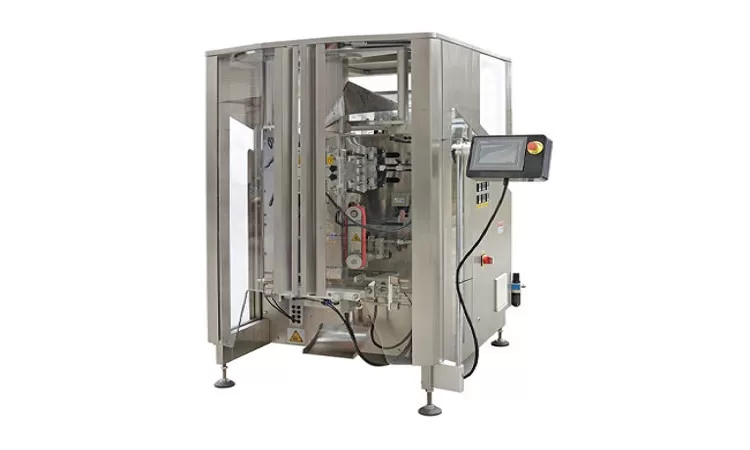
VFFS Equipment: The Ultimate Guide to Vertical Form Fill Seal Technology
13-03-2026 -
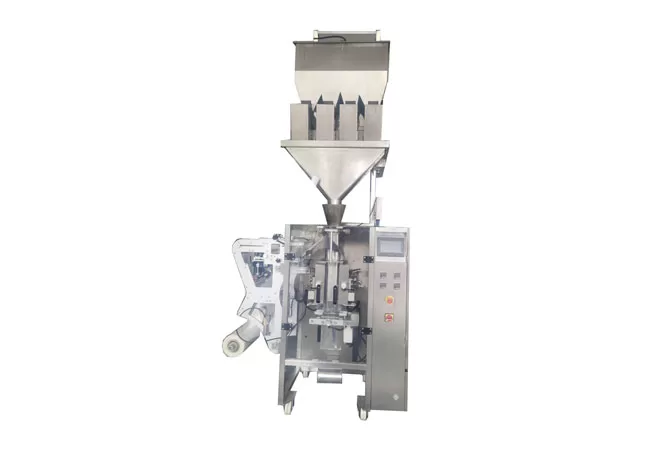
The Essential Guide to Weight Packing Machines for Precision Weighing
12-03-2026 -
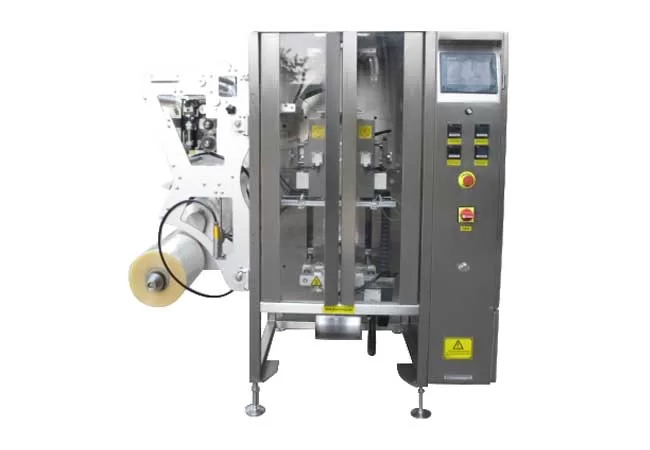
Power Packing Machine: The Ultimate Guide to Heavy-Duty Packaging Efficiency
11-03-2026 -
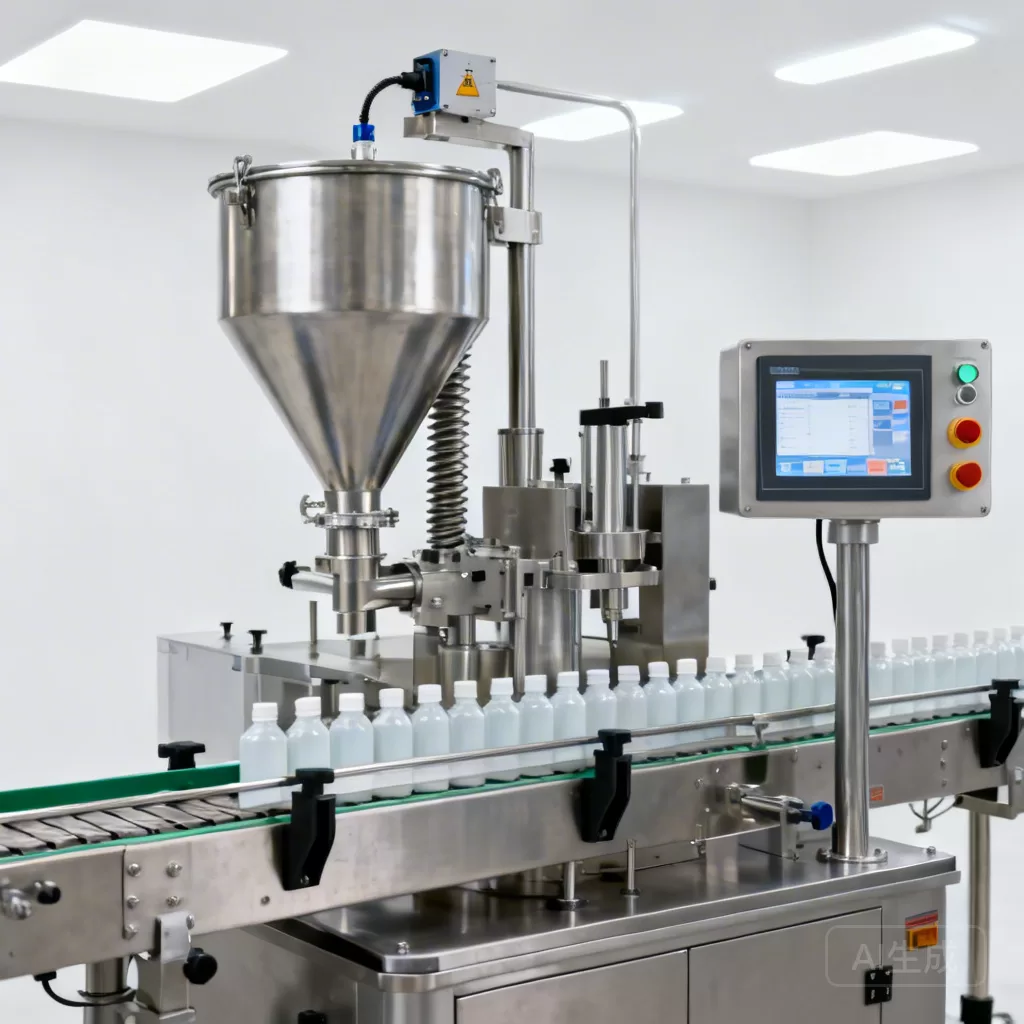
Weigher Packing Machine: The Definitive Guide to Precision Weighing & Packaging
10-03-2026 -
Auger Type Powder Filling Machine: The Ultimate Guide to Precision Packaging
09-03-2026 -
Advanced Packing Solutions: Snacks, Sugar, and Frozen Food Machines
29-10-2025 -
Efficient and Reliable Solutions for Salt, Nuts, and Frozen Dumplings Packing
29-10-2025 -
High-Performance Biscuits, Lollipop, and Ketchup Packing Machines for Modern Food Production
29-10-2025 -
Efficient Liquid Filling and Packing Machines for Modern Production
23-10-2025 -
Reliable Granule Packaging Machines for Efficient Production
23-10-2025
