
How to Optimize Your Standing Pouch Filling Process
Standing pouches have revolutionized the packaging industry, offering numerous advantages over traditional packaging methods. Their lightweight, durability, and ability to stand upright make them ideal for a wide range of products, from food and beverages to personal care items. However, to maximize the efficiency and effectiveness of your standing pouch filling process, it is essential to optimize every step of the operation.
Planning and Preparation
1. Define Your Product’s Characteristics: Carefully consider the properties of your product, such as its viscosity, density, and temperature. This information will help you select the appropriate filling equipment and determine the optimal filling rate.
2. Choose the Right Filling Method: Different standing pouch filling methods are available, including volumetric, gravity, and pressure filling. The best method for your application depends on the product’s characteristics and the desired filling speed.
Equipment Selection
3. Match Equipment Capacity to Production Volume: Determine the required filling capacity based on your projected production volume. Consider the size and speed of the filling machine to ensure it can handle your production needs.
4. Select High-Quality Components: Investing in durable and reliable filling equipment minimizes downtime and reduces maintenance costs. Choose components made from corrosion-resistant materials and designed to withstand the specific requirements of your product.
Optimal Filling Process
5. Calibrate the Filling Machine: Ensure the machine is properly calibrated to deliver the desired fill volume consistently. This accuracy is critical for maintaining product quality and minimizing waste.
6. Control Filling Speed: Adjust the filling speed to prevent overfilling or underfilling. Too high a speed can result in spillage or product damage, while too low a speed can slow down production.
7. Handle Pouches Gently: Minimize product degradation by handling pouches gently throughout the filling process. Use automated systems or conveyors to eliminate manual handling and reduce the risk of damage.
Quality Control
8. Inspect Filled Pouches: Implement a comprehensive quality control system to check the fill volume, seal integrity, and overall appearance of the filled pouches. Identify and address any deviations from specifications to maintain product quality and customer satisfaction.
9. Track and Adjust: Regularly monitor the filling process and make adjustments as needed. Track key metrics such as filling accuracy, speed, and downtime to identify potential areas for improvement and optimize the process continuously.
Optimizing your standing pouch filling process requires a comprehensive approach that considers every step of the operation. By planning and preparing effectively, selecting the right equipment, implementing an optimal filling process, and maintaining strict quality control, you can maximize the efficiency, effectiveness, and reliability of your packaging line. This will ultimately lead to reduced costs, improved product quality, and increased customer satisfaction.


-
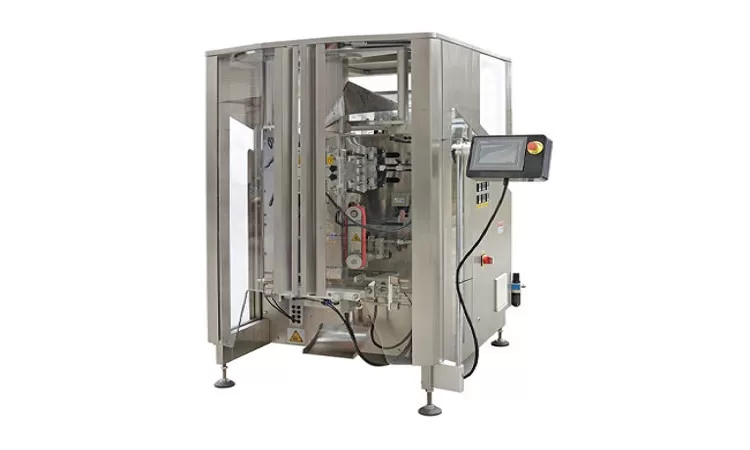
VFFS Equipment: The Ultimate Guide to Vertical Form Fill Seal Technology
13-03-2026 -
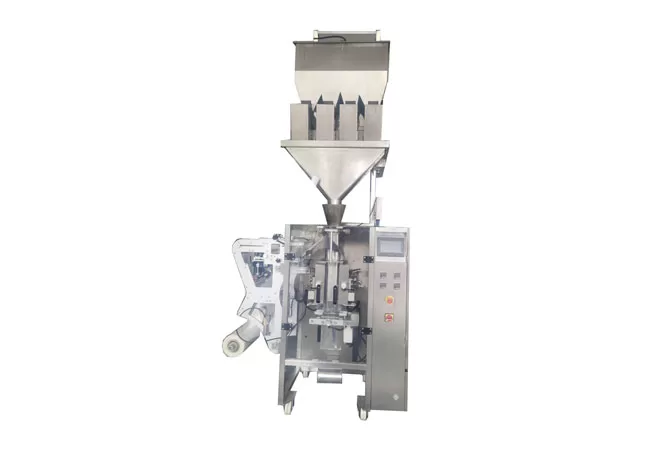
The Essential Guide to Weight Packing Machines for Precision Weighing
12-03-2026 -
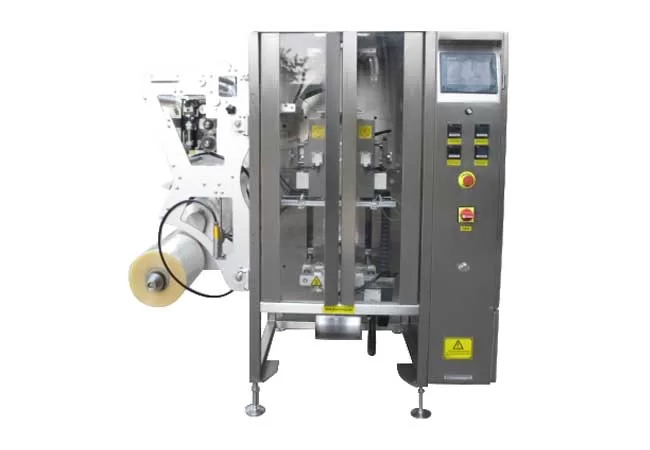
Power Packing Machine: The Ultimate Guide to Heavy-Duty Packaging Efficiency
11-03-2026 -
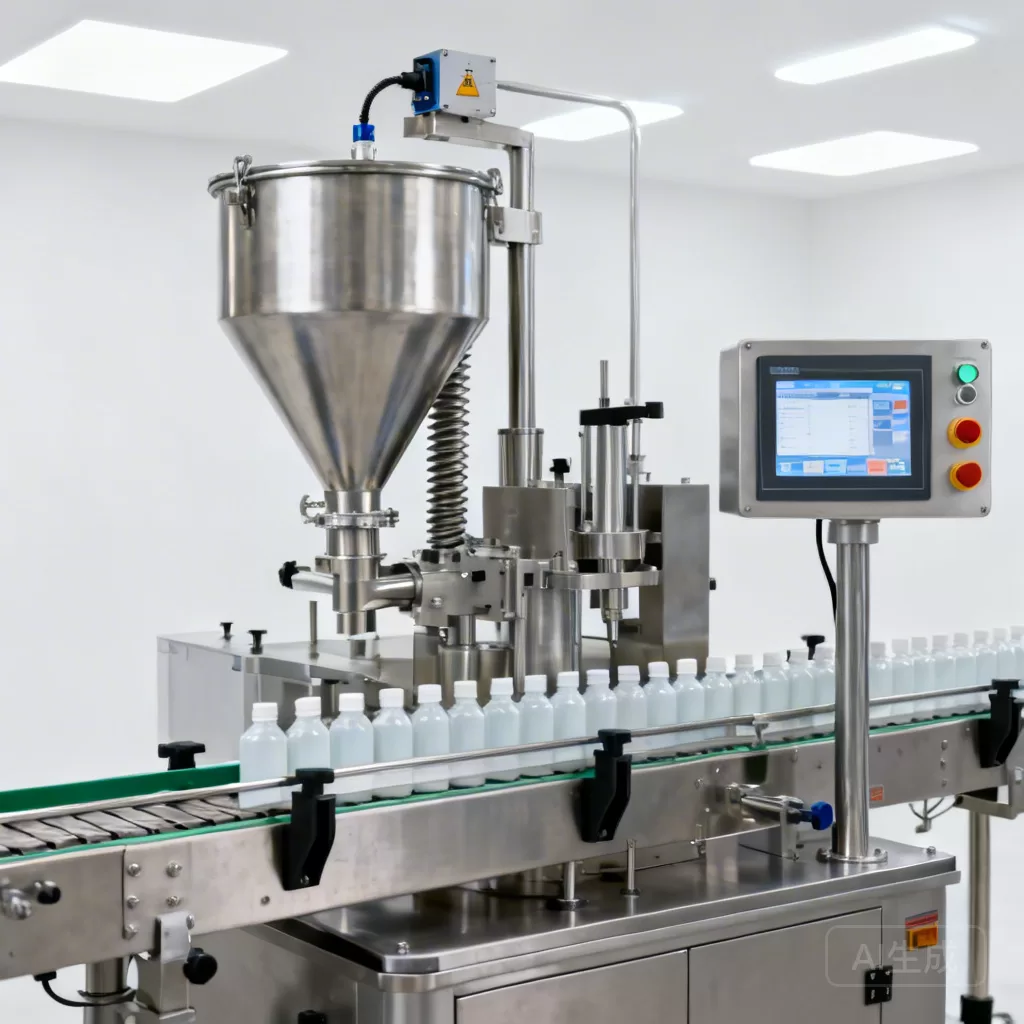
Weigher Packing Machine: The Definitive Guide to Precision Weighing & Packaging
10-03-2026 -
Auger Type Powder Filling Machine: The Ultimate Guide to Precision Packaging
09-03-2026 -
Advanced Packing Solutions: Snacks, Sugar, and Frozen Food Machines
29-10-2025 -
Efficient and Reliable Solutions for Salt, Nuts, and Frozen Dumplings Packing
29-10-2025 -
High-Performance Biscuits, Lollipop, and Ketchup Packing Machines for Modern Food Production
29-10-2025 -
Efficient Liquid Filling and Packing Machines for Modern Production
23-10-2025 -
Reliable Granule Packaging Machines for Efficient Production
23-10-2025
