
How to Choose the Right Pouch Material for Standing Packaging
How to Choose the Right Pouch Material for Standing Packaging: A Comprehensive Guide
Introduction:
In the realm of packaging, standing pouches reign supreme as versatile and eye-catching solutions. However, the choice of pouch material can make or break the aesthetics, functionality, and overall impact of your product. This comprehensive guide will illuminate the intricate world of pouch materials and empower you to make informed decisions that elevate your standing packaging game.
Understanding Pouch Materials:
Pouch materials typically consist of a combination of films or substrates. The most common include:
Polyethylene (PE): Flexible and lightweight, PE is commonly used for both food and non-food products.
Biaxially Oriented Polypropylene (BOPP): Offers high clarity, tensile strength, and barrier properties.
Metallised Polyester (PET): Provides excellent barrier protection against moisture, oxygen, and light.
Foil: Offers superior barrier properties and an elegant appearance.
Kraft Paper: Biodegradable and sustainable, kraft paper adds a rustic or natural touch.
Choosing the Right Material:
The optimal pouch material depends on several factors, including:
Product Characteristics: Consider the shelf life, moisture sensitivity, and odor resistance of your product.
Packaging Format: Standing pouches come in various shapes and sizes. Choose a material that accommodates the desired format.
Target Market: The target audience’s preferences and environmental concerns may influence the material choice.
Sustainability: Consider biodegradable or recyclable materials to minimize environmental impact.
Properties to Consider:
Barrier Properties: Protection against moisture, oxygen, and light is crucial for extending product shelf life.
Tensile Strength: Resistance to tear and puncture ensures product integrity during transit and storage.
Clarity: Transparency allows consumers to view the product inside, enhancing appeal.
Printability: Compatibility with printing techniques is essential for branding and product information dissemination.
Cost: Material cost is a significant factor in overall packaging expenses.
Additional Considerations:
Curing Time: Some materials require time to properly cure before use.
Sealability: Proper sealing is essential to maintain product quality and prevent leakage.
Compatibility: Ensure compatibility between the pouch material and the filling equipment.
:
Choosing the right pouch material for standing packaging is a critical decision that influences the success of your product. By considering the product characteristics, packaging format, target market, and material properties, you can make informed decisions that optimize functionality, aesthetics, and sustainability. With this comprehensive guide as your compass, you can navigate the world of pouch materials with confidence and create a packaging solution that stands out from the crowd.


-
VFFS Equipment: The Ultimate Guide to Vertical Form Fill Seal Technology
13-03-2026 -
The Essential Guide to Weight Packing Machines for Precision Weighing
12-03-2026 -
Power Packing Machine: The Ultimate Guide to Heavy-Duty Packaging Efficiency
11-03-2026 -
Weigher Packing Machine: The Definitive Guide to Precision Weighing & Packaging
10-03-2026 -
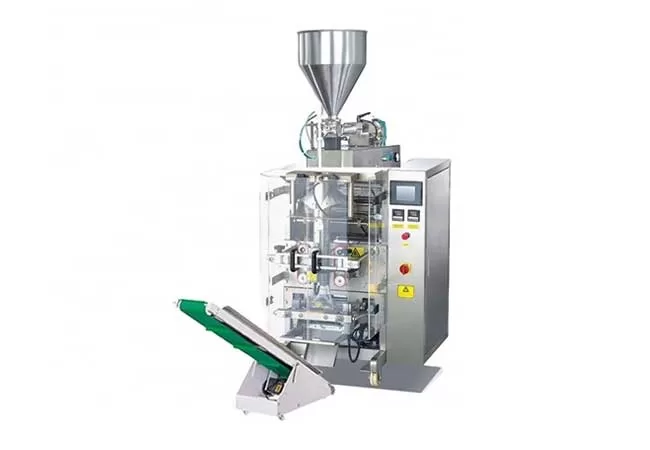
Auger Type Powder Filling Machine: The Ultimate Guide to Precision Packaging
09-03-2026 -
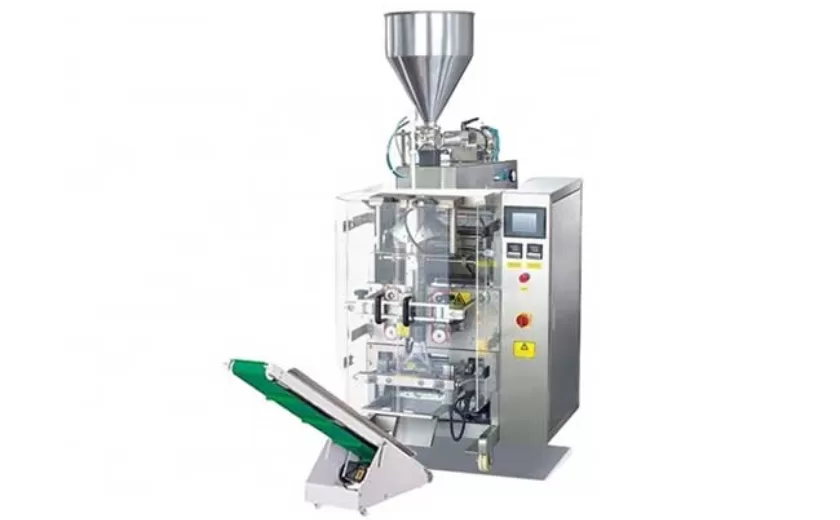
Advanced Packing Solutions: Snacks, Sugar, and Frozen Food Machines
29-10-2025 -
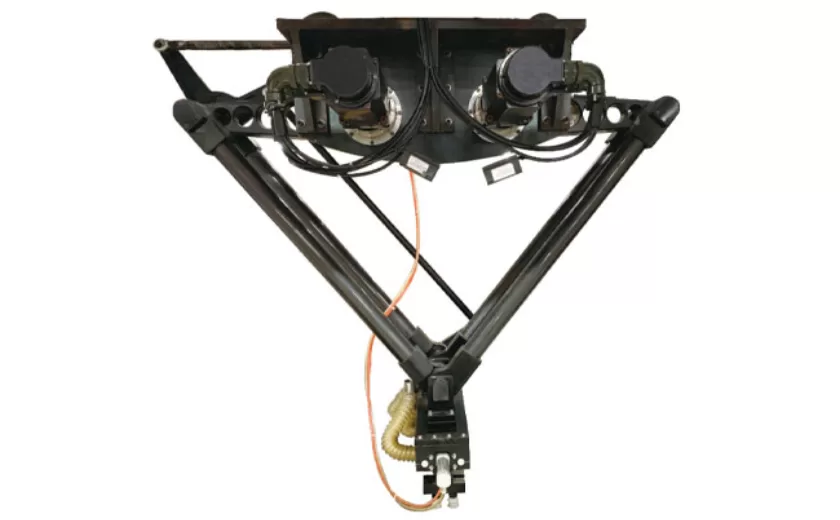
Efficient and Reliable Solutions for Salt, Nuts, and Frozen Dumplings Packing
29-10-2025 -
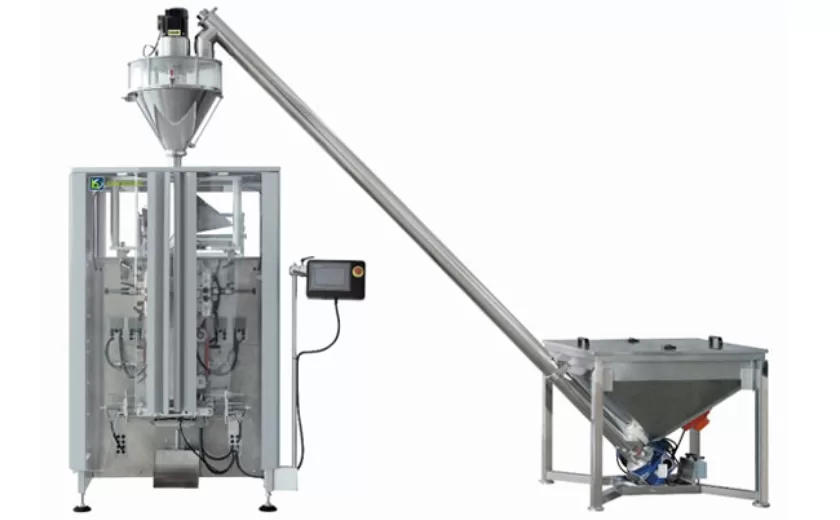
High-Performance Biscuits, Lollipop, and Ketchup Packing Machines for Modern Food Production
29-10-2025 -
Efficient Liquid Filling and Packing Machines for Modern Production
23-10-2025 -
Reliable Granule Packaging Machines for Efficient Production
23-10-2025
