
What Regulations Should You Be Aware of in Soap Powder Packaging?
In the realm of consumer goods, soap powder stands as an essential household staple. However, behind the seemingly innocuous façade of these cleaning agents lies a complex web of regulations that govern their packaging practices. From ensuring product safety to protecting the environment, compliance with these regulations is paramount for manufacturers, distributors, and consumers alike.
Environmental Regulations:
REACH: Registration, Evaluation, Authorization, and Restriction of Chemicals (REACH) is a European Union regulation that aims to protect human health and the environment from the potential risks posed by chemicals. Manufacturers of soap powders must ensure that all ingredients, including fragrances, surfactants, and other additives, comply with the REACH regulations.
CLP: The Classification, Labeling, and Packaging of Substances and Mixtures (CLP) regulation harmonizes the labeling and packaging of hazardous substances across the European Union. Soap powder packaging must adhere to CLP requirements, providing clear hazard statements, warning symbols, and safety instructions to prevent accidents or misuse.
Plastic Packaging Tax: In the United Kingdom, the Plastic Packaging Tax applies to plastic packaging that does not contain at least 30% recycled content. Manufacturers of soap powders must either pay the tax or demonstrate that their packaging meets the recycled content threshold.
Product Safety Regulations:
GHS: The Globally Harmonized System of Classification and Labeling of Chemicals (GHS) is an international standard that establishes a consistent framework for the classification, labeling, and communication of chemical hazards. Soap powder packaging must comply with GHS requirements, ensuring that consumers are adequately informed about potential risks.
Consumer Product Safety Act: In the United States, the Consumer Product Safety Act (CPSA) prohibits the sale of products that pose a substantial risk of injury. Soap powder packaging must be designed and labeled to prevent accidents, such as by using child-resistant closures and providing clear instructions for use.
Other Regulations:
Product Information: Packaging must provide accurate and legible information about the product, including its ingredients, quantity, manufacturer details, and safety precautions.
Consumer Rights: Regulations protect consumers’ rights to receive accurate information about products and to be protected from unsafe or misleading packaging practices.
Ethical Considerations: In addition to legal regulations, ethical considerations also influence soap powder packaging practices. Manufacturers should strive for sustainable practices, such as using recycled materials and minimizing waste, to protect the environment and future generations.
Adhering to these regulations ensures the safety and integrity of soap powder products, protects consumers from potential hazards, and promotes responsible packaging practices. Manufacturers, distributors, and consumers must all be aware of and comply with these regulations to ensure the continued safe and effective use of soap powders in our homes.


-
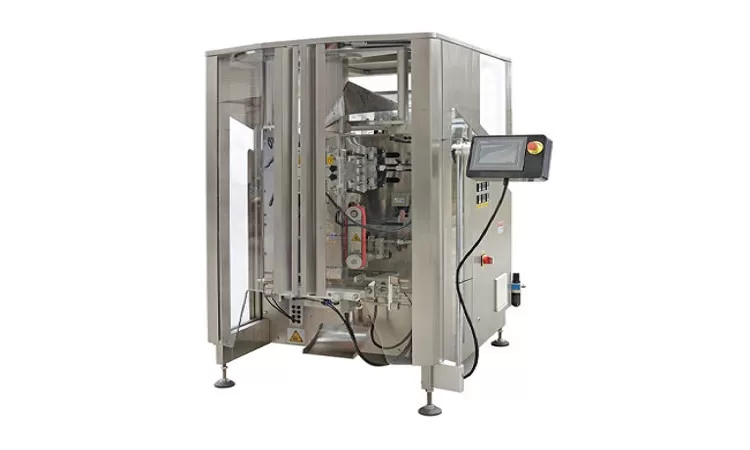
VFFS Equipment: The Ultimate Guide to Vertical Form Fill Seal Technology
13-03-2026 -
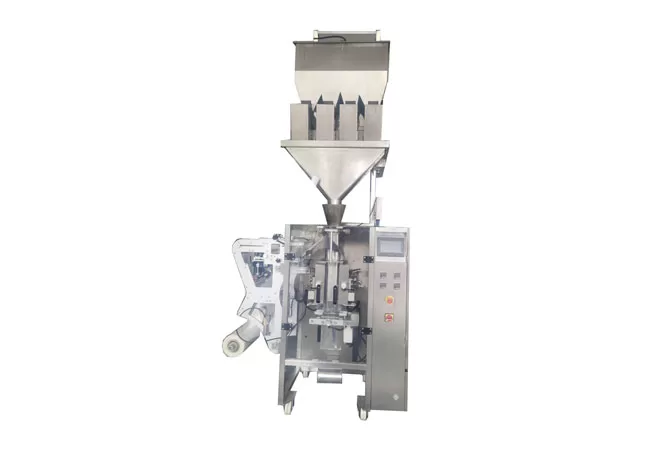
The Essential Guide to Weight Packing Machines for Precision Weighing
12-03-2026 -
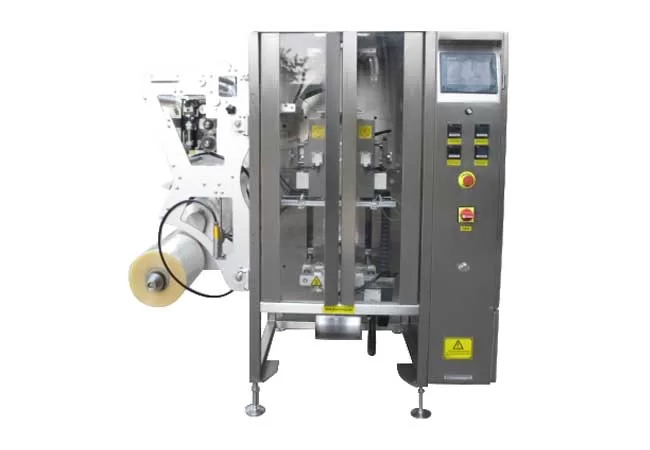
Power Packing Machine: The Ultimate Guide to Heavy-Duty Packaging Efficiency
11-03-2026 -

Weigher Packing Machine: The Definitive Guide to Precision Weighing & Packaging
10-03-2026 -
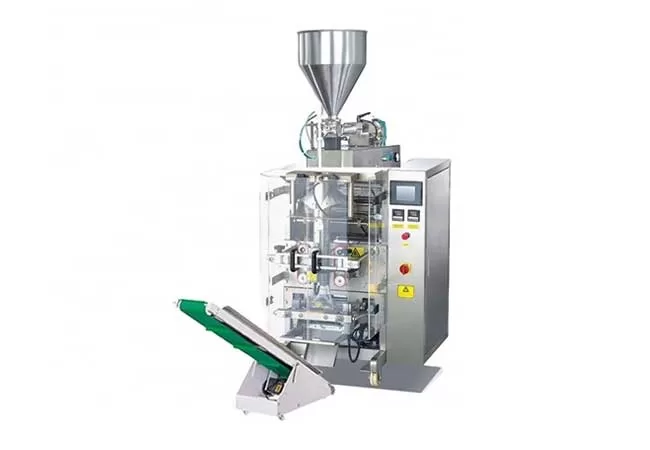
Auger Type Powder Filling Machine: The Ultimate Guide to Precision Packaging
09-03-2026 -
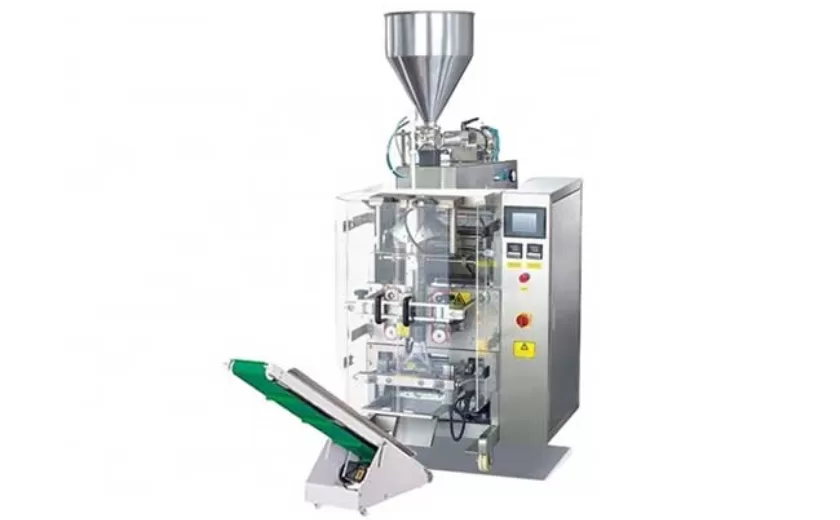
Advanced Packing Solutions: Snacks, Sugar, and Frozen Food Machines
29-10-2025 -
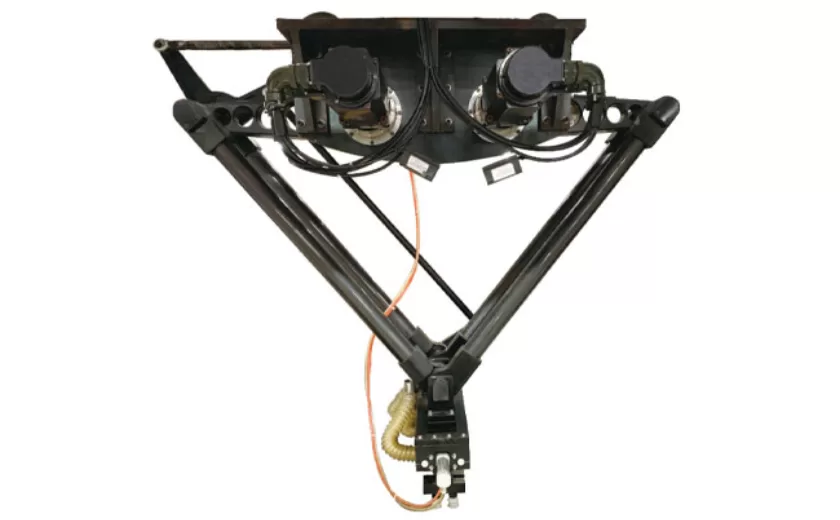
Efficient and Reliable Solutions for Salt, Nuts, and Frozen Dumplings Packing
29-10-2025 -
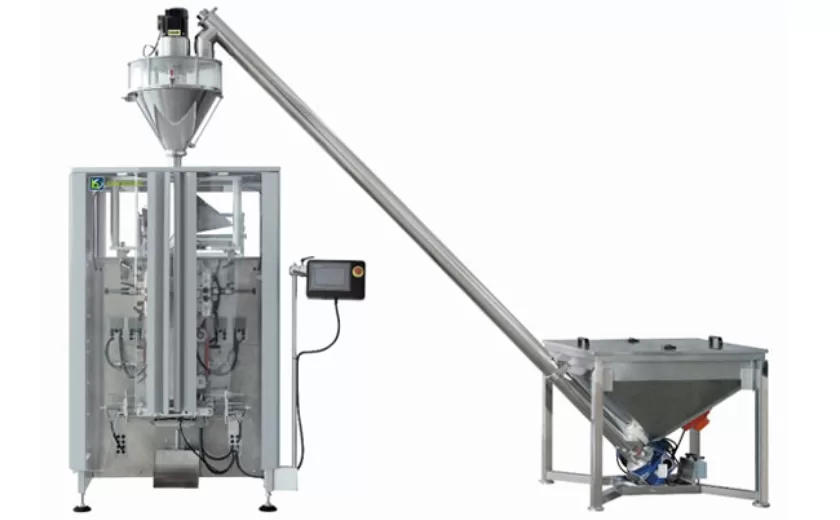
High-Performance Biscuits, Lollipop, and Ketchup Packing Machines for Modern Food Production
29-10-2025 -
Efficient Liquid Filling and Packing Machines for Modern Production
23-10-2025 -
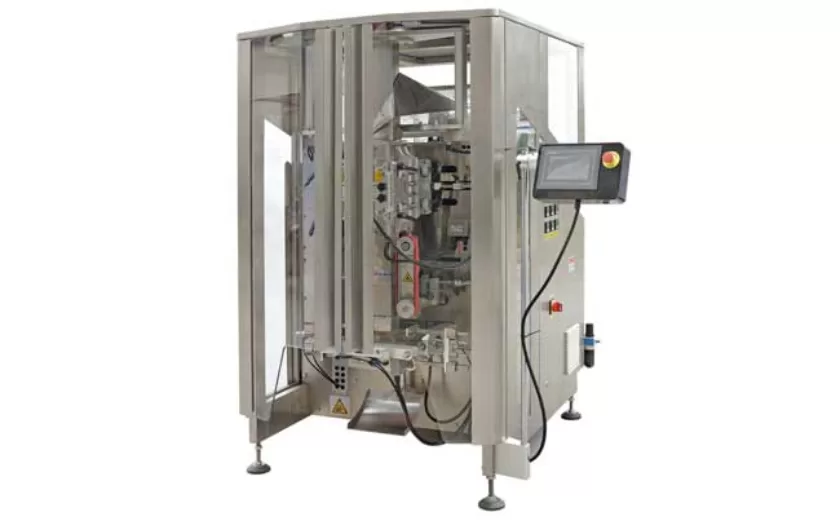
Reliable Granule Packaging Machines for Efficient Production
23-10-2025
