
How to Integrate a Flow Wrapper into Your Production Line
How to Integrate a Flow Wrapper into Your Production Line: A Blueprint for Enhanced Efficiency
In the realm of manufacturing, efficiency is paramount. Every cog in the production machine must interlock seamlessly to maximize output and minimize waste. One crucial piece of this intricate puzzle is the flow wrapper, a versatile packaging solution that can revolutionize your production line.
A Glimpse into the Flow Wrapper’s Capabilities
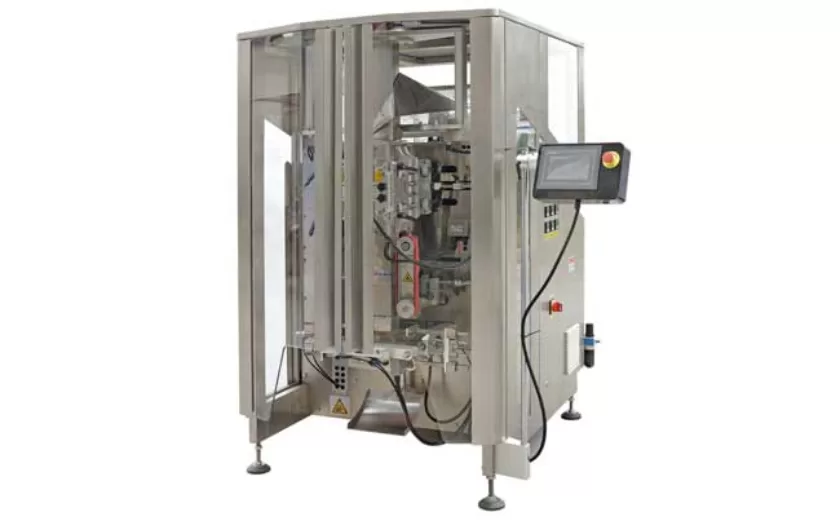
A flow wrapper, also known as a horizontal form-fill-seal machine, is an automated marvel that transforms flat film into perfectly sealed packages. These packages can range from confectioneries to pharmaceuticals, ensuring product freshness and protection.
Integration: The Cornerstone of Seamless Production
Integrating a flow wrapper into your production line is an essential step towards achieving optimal efficiency. Here are the key steps to ensure a seamless integration:
1. Assessment of Needs: Determine the specific packaging requirements of your products, including size, shape, and material compatibility.
2. Machine Selection: Choose a flow wrapper that meets your production volume, speed, and accuracy demands. Consider factors like pouch design and packaging quality.
3. Physical Integration: Install the flow wrapper at a strategic point in your production line, ensuring proper alignment with upstream and downstream equipment.
4. Configuration and Setup: Program the flow wrapper according to your desired pouch parameters, including size, sealing specifications, and product feeding mechanism.
5. Operator Training: Train line operators on the proper operation and maintenance of the flow wrapper to minimize downtime and ensure optimal performance.
The Rewards of Integration
The benefits of integrating a flow wrapper into your production line are undeniable:
Increased Efficiency: Automated packaging reduces labor costs and streamlines the packaging process, significantly increasing throughput.
Enhanced Product Protection: Sealed packages prevent contamination and extend product shelf life, minimizing spoilage and ensuring product quality.
Cost Savings: Reduced packaging material waste and improved labor efficiency lead to substantial cost savings over time.
Improved Inventory Management: Automated packaging eliminates human error, ensuring accurate product counts and inventory control.
Integrating a flow wrapper into your production line is a wise investment that can transform your packaging operations. By carefully assessing your needs, choosing the right machine, and implementing it seamlessly, you can unlock the full potential of this packaging marvel, maximizing efficiency, protecting products, and driving revenue growth.


-
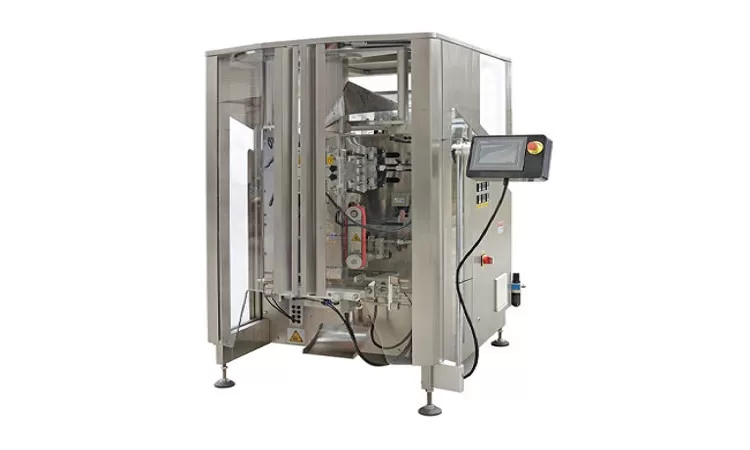
VFFS Equipment: The Ultimate Guide to Vertical Form Fill Seal Technology
13-03-2026 -
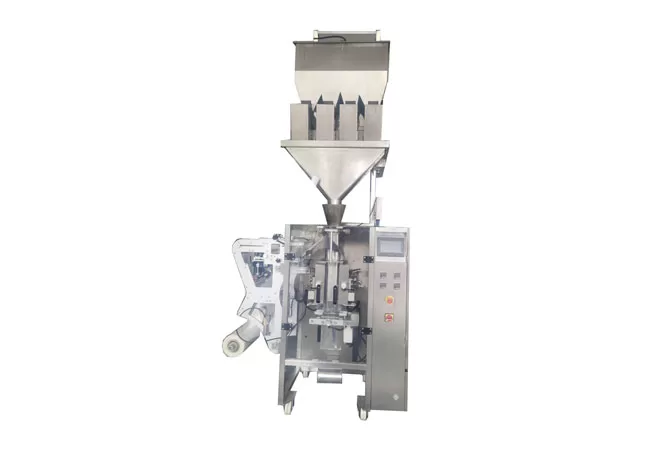
The Essential Guide to Weight Packing Machines for Precision Weighing
12-03-2026 -
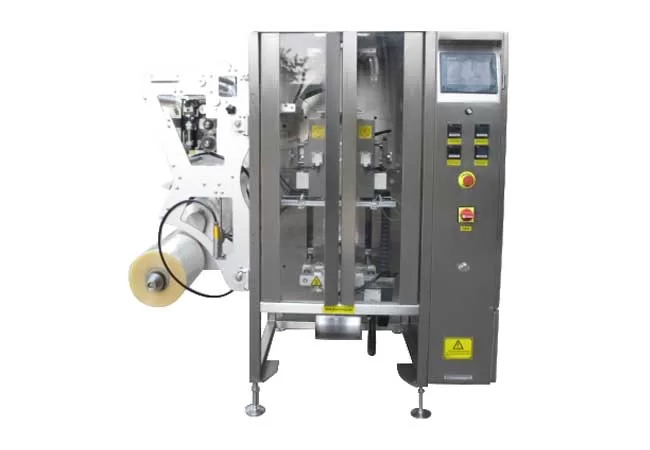
Power Packing Machine: The Ultimate Guide to Heavy-Duty Packaging Efficiency
11-03-2026 -
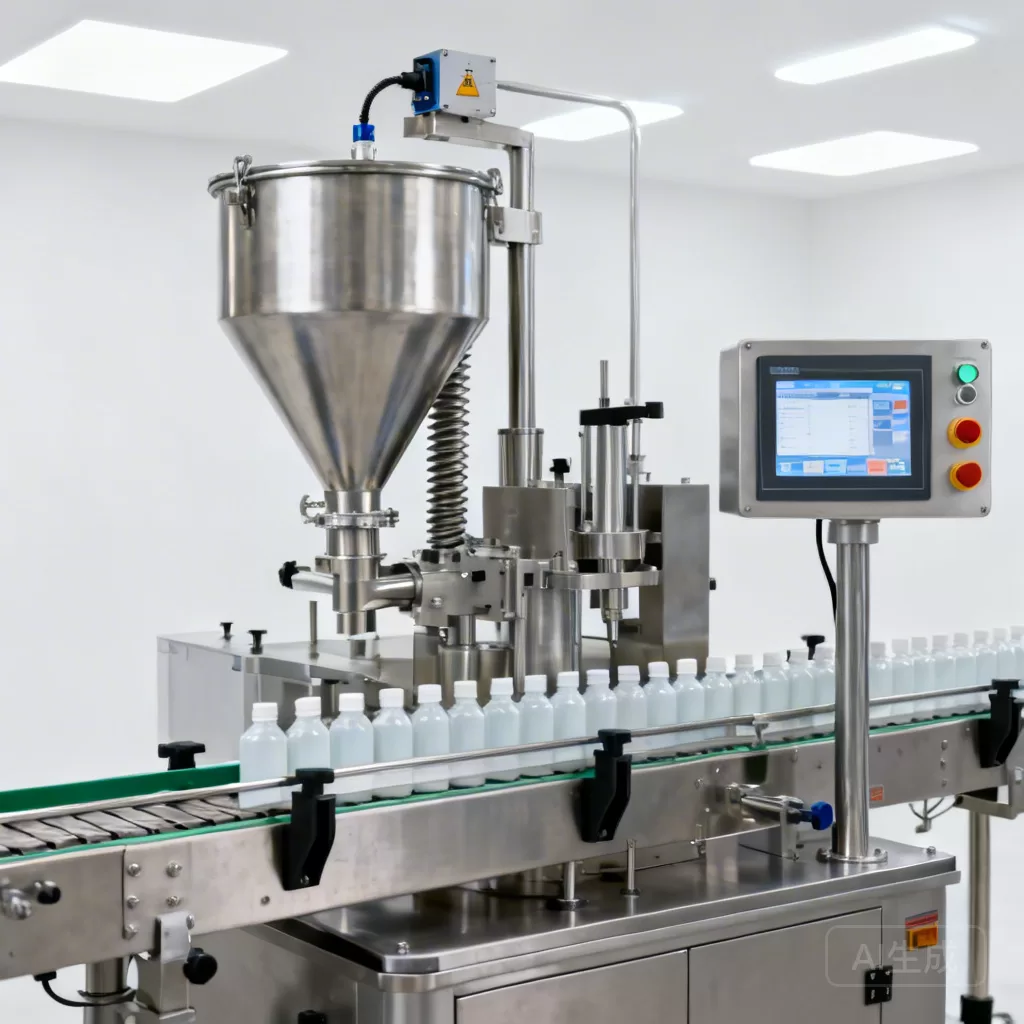
Weigher Packing Machine: The Definitive Guide to Precision Weighing & Packaging
10-03-2026 -
Auger Type Powder Filling Machine: The Ultimate Guide to Precision Packaging
09-03-2026 -
Advanced Packing Solutions: Snacks, Sugar, and Frozen Food Machines
29-10-2025 -
Efficient and Reliable Solutions for Salt, Nuts, and Frozen Dumplings Packing
29-10-2025 -
High-Performance Biscuits, Lollipop, and Ketchup Packing Machines for Modern Food Production
29-10-2025 -
Efficient Liquid Filling and Packing Machines for Modern Production
23-10-2025 -
Reliable Granule Packaging Machines for Efficient Production
23-10-2025
