
When to Choose Automated vs. Manual Flow Wrapping Solutions
In the realm of packaging, the battle between automation and manual labor rages on. When it comes to flow wrapping, both approaches have their merits, but selecting the optimal solution hinges on several crucial factors. Understanding these factors will empower businesses to make informed decisions that align with their specific needs.
Automated Flow Wrapping: Precision and Efficiency
Automated flow wrapping machines are the epitome of efficiency and precision. They effortlessly handle high-volume packaging operations, eliminating the need for manual intervention and reducing labor costs. Advanced sensors ensure precise wrapping, minimizing material waste and guaranteeing consistent product presentation. Automation also allows for increased production speeds and enhanced quality control.
Manual Flow Wrapping: Flexibility and Customization
While automation offers unparalleled efficiency, manual flow wrapping retains its value in certain situations. For small-scale operations, customized products, or frequent product changes, manual wrapping provides greater flexibility. Operators can easily adjust wrapping parameters to accommodate different shapes and sizes, ensuring a snug fit. Manual wrapping also allows for personalized packaging, enabling businesses to add custom touches that resonate with customers.
Making the Right Choice
The decision between automated and manual flow wrapping hinges on the following factors:
Packaging volume: Automated solutions excel for high-volume operations, minimizing labor costs and maximizing efficiency.
Product characteristics: Automated machines handle standard-sized products with consistent shapes. For irregular or customized products, manual wrapping bietet more flexibility.
Production environment: Automated lines require a dedicated work space, while manual wrapping can be more versatile in smaller or cramped areas.
Cost considerations: Automated solutions involve significant capital investment, while manual wrapping typically requires less upfront costs.
Labor availability: Automation can help overcome labor shortages or reduce reliance on manual labor.
Choosing between automated and manual flow wrapping is not a clear-cut decision. By carefully considering the factors outlined above, businesses can determine the optimal solution that meets their unique needs. Automated solutions deliver efficiency, precision, and cost savings, while manual wrapping offers flexibility, customization, and affordability. The right choice will empower businesses to maximize their packaging operations, streamline their processes, and create a competitive edge in the market.


-
VFFS Equipment: The Ultimate Guide to Vertical Form Fill Seal Technology
13-03-2026 -
The Essential Guide to Weight Packing Machines for Precision Weighing
12-03-2026 -
Power Packing Machine: The Ultimate Guide to Heavy-Duty Packaging Efficiency
11-03-2026 -
Weigher Packing Machine: The Definitive Guide to Precision Weighing & Packaging
10-03-2026 -
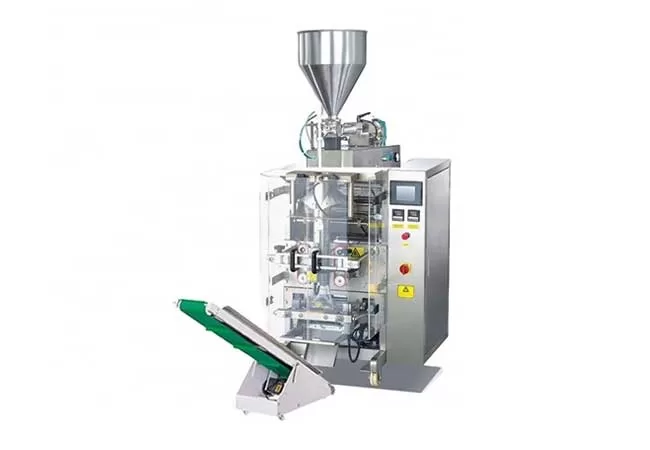
Auger Type Powder Filling Machine: The Ultimate Guide to Precision Packaging
09-03-2026 -
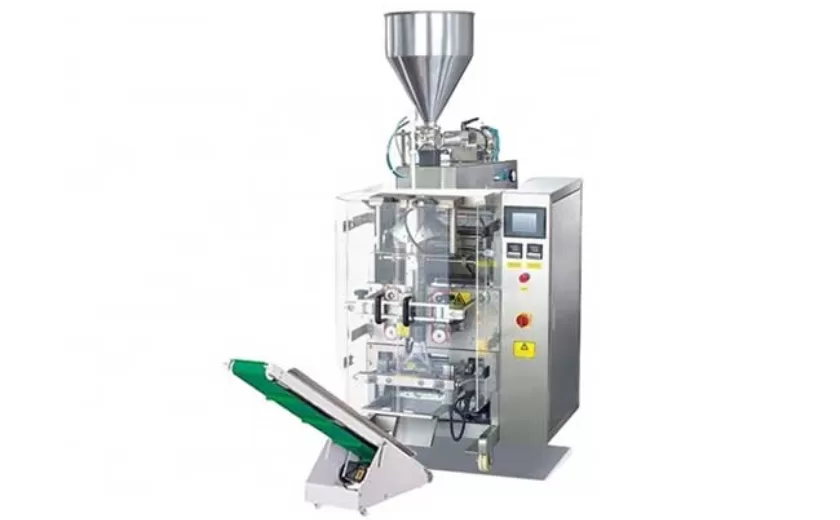
Advanced Packing Solutions: Snacks, Sugar, and Frozen Food Machines
29-10-2025 -
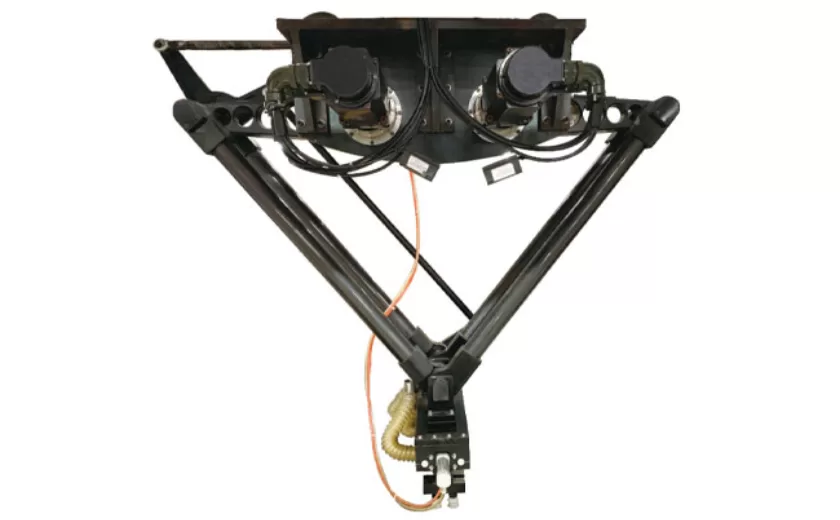
Efficient and Reliable Solutions for Salt, Nuts, and Frozen Dumplings Packing
29-10-2025 -
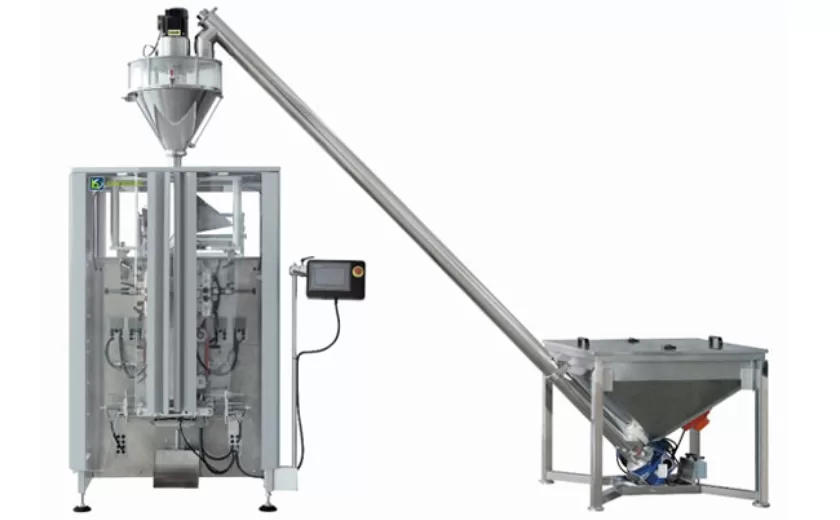
High-Performance Biscuits, Lollipop, and Ketchup Packing Machines for Modern Food Production
29-10-2025 -
Efficient Liquid Filling and Packing Machines for Modern Production
23-10-2025 -
Reliable Granule Packaging Machines for Efficient Production
23-10-2025
