
When Is the Right Time to Implement Weight and Packing Technology?
The decision to implement weight and packing technology can be a complex one, influenced by numerous factors. This article aims to provide manufacturers and supply chain professionals with a comprehensive understanding of the key considerations to determine the optimal time for implementing these technologies.
Assessing the Need for Weight and Packing Technology
Before investing in any technology, it is crucial to evaluate the current state of operations and identify the specific challenges that need to be addressed. Weight and packing technologies can offer significant benefits, including:
Improved accuracy and consistency: Automated weighing and packing systems can significantly reduce manual errors, ensuring accurate product weight and packaging dimensions.
Increased efficiency: By automating repetitive tasks, these technologies can streamline production processes, reducing labor costs and improving productivity.
Reduced product damage: Automated packing solutions provide consistent and precise packaging, minimizing the risk of product damage during handling and transportation.
Enhanced compliance: Automated systems can help manufacturers meet regulatory requirements and industry standards, ensuring that products are safely and effectively packaged.
Factors to Consider When Making the Decision
1. Production Volume and Complexity
The volume and complexity of production play a significant role in determining the need for weight and packing technology. High-volume production environments with complex packaging requirements can benefit greatly from automation, as it can handle large quantities efficiently and ensure precision.
2. Labor Availability and Cost
The availability and cost of labor can influence the decision-making process. In areas with high labor costs or shortages, implementing automated solutions can help overcome these challenges and optimize production.
3. Product Characteristics
The physical characteristics of the product itself can also impact the decision. Weight and packing technology should be suited to the specific size, shape, and fragility of the product to ensure effective packaging.
4. Return on Investment (ROI)
The potential ROI of implementing weight and packing technology is a critical factor. Companies should carefully analyze their operational costs, expected savings, and projected revenue gains to determine the financial viability of the investment.
5. Industry Trends and Technological Advancements
Staying abreast of industry trends and technological advancements is essential. Manufacturers should research the latest innovations in weight and packing technology to identify solutions that align with their specific needs.
Implementing weight and packing technology can be a transformative investment for manufacturers. By carefully considering the factors discussed in this article, businesses can make an informed decision and determine the optimal time to adopt these technologies. By leveraging automation, organizations can enhance accuracy, efficiency, and compliance while minimizing costs and improving overall operations.


-
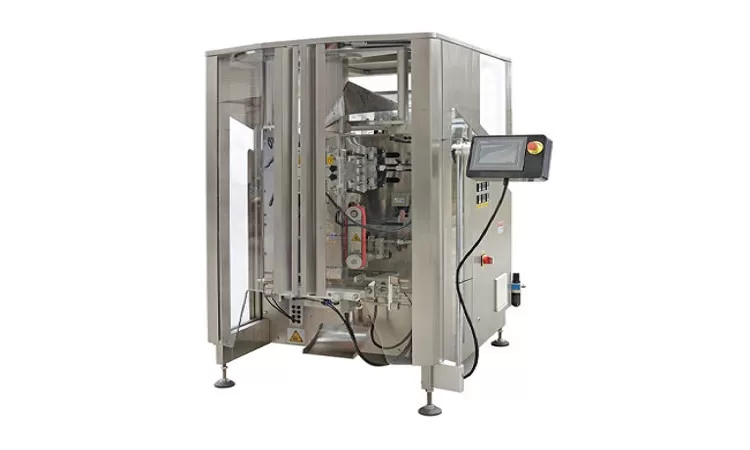
VFFS Equipment: The Ultimate Guide to Vertical Form Fill Seal Technology
13-03-2026 -
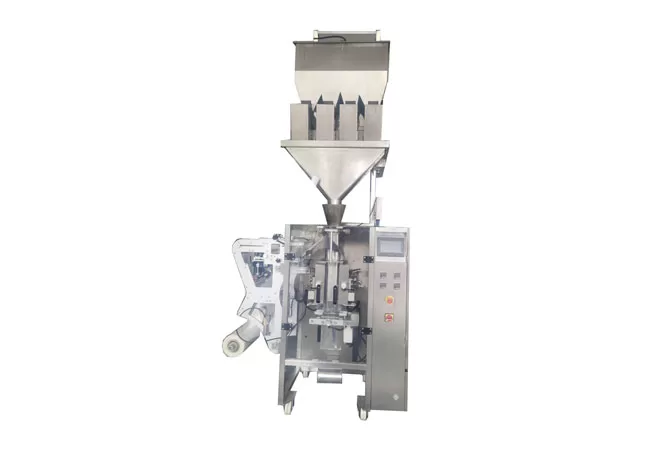
The Essential Guide to Weight Packing Machines for Precision Weighing
12-03-2026 -
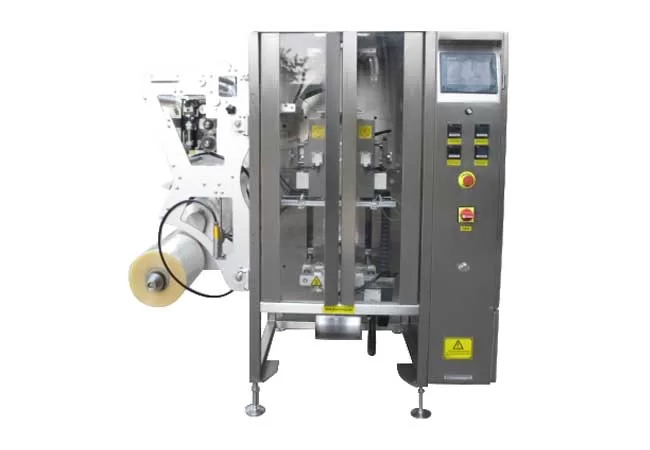
Power Packing Machine: The Ultimate Guide to Heavy-Duty Packaging Efficiency
11-03-2026 -
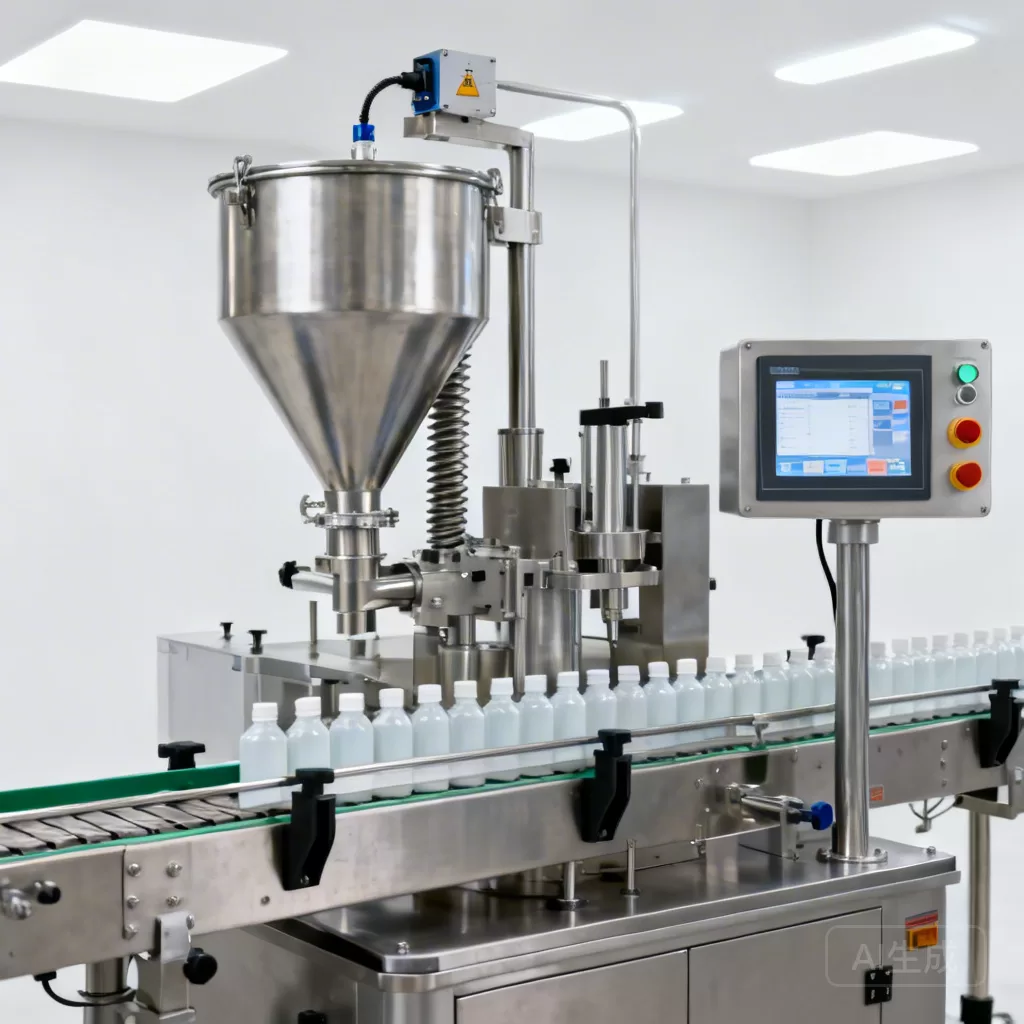
Weigher Packing Machine: The Definitive Guide to Precision Weighing & Packaging
10-03-2026 -
Auger Type Powder Filling Machine: The Ultimate Guide to Precision Packaging
09-03-2026 -
Advanced Packing Solutions: Snacks, Sugar, and Frozen Food Machines
29-10-2025 -
Efficient and Reliable Solutions for Salt, Nuts, and Frozen Dumplings Packing
29-10-2025 -
High-Performance Biscuits, Lollipop, and Ketchup Packing Machines for Modern Food Production
29-10-2025 -
Efficient Liquid Filling and Packing Machines for Modern Production
23-10-2025 -
Reliable Granule Packaging Machines for Efficient Production
23-10-2025
