
How to Choose the Right Weighing Technology for Your Filler Machine
Fillers play a crucial role in packaging operations by accurately dispensing products into containers. The choice of weighing technology for your filler machine can significantly impact the accuracy, efficiency, and cost of your operation. Here’s a comprehensive guide to help you select the right weighing technology for your specific needs:
Types of Weighing Technologies
Load Cells
Load cells are highly accurate sensors that convert force into an electrical signal. Filler machines with load cells use multiple load cells to measure the weight of the product. This technology provides excellent accuracy and stability, making it ideal for high-precision filling applications.
Volumetric Fillers
Volumetric fillers measure volume rather than weight. They use a combination of gears, valves, and sensors to dispense a specific volume of product into containers. Volumetric fillers are less accurate than load cells but can be faster and more cost-effective.
Checkweighing Systems
Checkweighing systems are used to verify the weight of filled containers after they have been filled. They consist of a conveyor belt and one or more load cells. If a container is outside of the specified weight range, the system will reject it. Checkweighing ensures accurate and consistent product weights.
Factors to Consider
Accuracy and Precision
The accuracy of your filler machine depends on the weighing technology it uses. Load cells provide the highest accuracy, while volumetric fillers are less accurate. Consider the required accuracy for your product and application.
Speed and Efficiency
Filler machines vary in their filling speed. Volumetric fillers are typically faster than load cells, but load cells offer greater accuracy. Determine the filling speed that meets your production requirements.
Product Characteristics
The characteristics of your product, such as its density, viscosity, and particle size, can influence the choice of weighing technology. Load cells are suitable for a wide range of products, while volumetric fillers work best with liquids and powders.
Cost and Maintenance
The cost of filler machines and their maintenance requirements vary. Load cells tend to be more expensive than volumetric fillers, but they require less maintenance. Consider the upfront cost and ongoing expenses when choosing weighing technology.
Integration with Other Systems
Fillers may need to integrate with other systems in your packaging line, such as conveyors, capping machines, and labelers. Ensure that the weighing technology you choose is compatible with your existing systems.
Choosing the right weighing technology for your filler machine requires careful consideration of various factors. By understanding the different types of technologies, their advantages and limitations, and your specific application requirements, you can make an informed decision that optimizes the efficiency and accuracy of your packaging operations.


-
VFFS Equipment: The Ultimate Guide to Vertical Form Fill Seal Technology
13-03-2026 -
The Essential Guide to Weight Packing Machines for Precision Weighing
12-03-2026 -
Power Packing Machine: The Ultimate Guide to Heavy-Duty Packaging Efficiency
11-03-2026 -
Weigher Packing Machine: The Definitive Guide to Precision Weighing & Packaging
10-03-2026 -
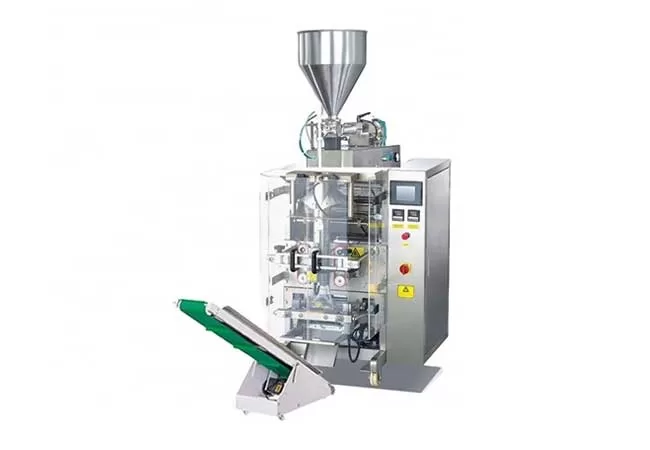
Auger Type Powder Filling Machine: The Ultimate Guide to Precision Packaging
09-03-2026 -
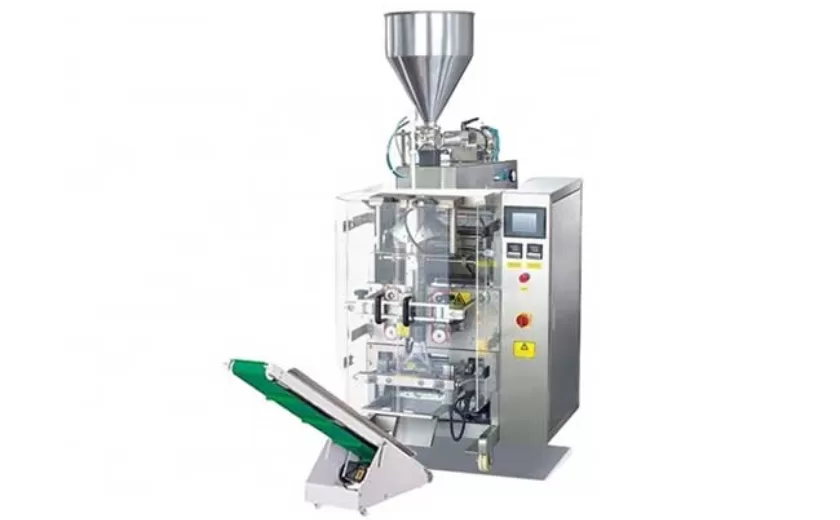
Advanced Packing Solutions: Snacks, Sugar, and Frozen Food Machines
29-10-2025 -
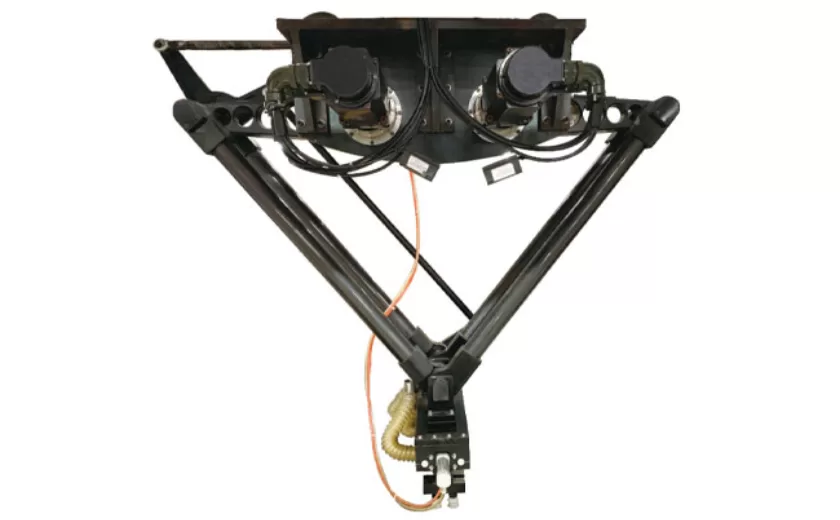
Efficient and Reliable Solutions for Salt, Nuts, and Frozen Dumplings Packing
29-10-2025 -
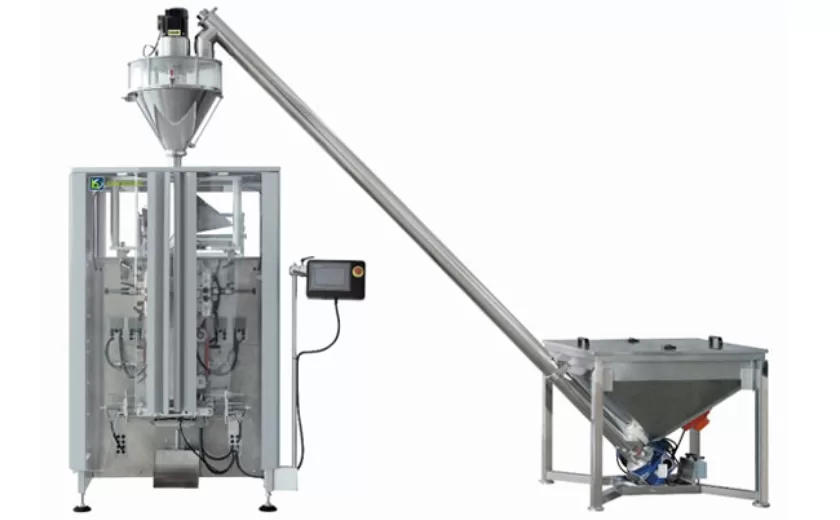
High-Performance Biscuits, Lollipop, and Ketchup Packing Machines for Modern Food Production
29-10-2025 -
Efficient Liquid Filling and Packing Machines for Modern Production
23-10-2025 -
Reliable Granule Packaging Machines for Efficient Production
23-10-2025
