
Best Practices for Operating and Maintaining Auto Weighing Filling Machines
Introduction
Auto weighing filling machines are essential equipment in various industries, including food, pharmaceutical, and chemical. Ensuring their optimal operation and maintenance is crucial for efficiency, accuracy, and safety. This article provides comprehensive best practices for operating and maintaining auto weighing filling machines, helping users enhance productivity and extend equipment lifespan.
Pre-Operation Preparations
1. Installation and Setup: Follow the manufacturer’s instructions carefully for proper installation and setup. Ensure the machine is level, grounded, and connected to appropriate power and air sources.
2. Operator Training: Train operators on machine operation, safety procedures, and maintenance tasks. This minimizes errors and promotes safe and efficient usage.
Machine Operation
1. Material Preparation: Before filling, ensure the material is free of impurities or foreign objects that could damage the machine.
2. Calibration: Regularly calibrate the filling head to maintain accurate weight measurements. Follow specific calibration procedures provided by the manufacturer.
3. Fill Parameters: Set optimal fill parameters, such as target weight, fill speed, and dwell time, to achieve desired filling accuracy and consistency.
Maintenance
1. Daily Inspections: Conduct daily visual inspections for leaks, loose connections, or visible damage. Report any anomalies immediately for timely repairs.
2. Regular Cleaning: Clean the machine thoroughly after each use to prevent material accumulation and ensure hygiene. Use appropriate cleaning agents recommended by the manufacturer.
3. Lubrication: Lubricate moving parts as per the maintenance schedule to minimize friction and extend component lifespan. Use high-quality lubricants approved by the manufacturer.
4. Component Inspection: Periodically inspect critical components, such as load cells, sensors, and valves, for signs of wear or malfunction. Replace or repair any damaged parts as necessary.
5. Firmware Updates: Install firmware updates from the manufacturer to improve machine performance and safety features. Ensure backup is done before updating.
Safety Considerations
1. Electrical Safety: Ensure proper grounding and electrical connections to minimize electrical hazards. Avoid operating the machine with exposed wires or loose terminals.
2. Noise Control: Consider noise abatement measures, such as enclosures or ear protection, to comply with workplace noise regulations and ensure operator safety.
3. Emergency Procedures: Familiarize operators with emergency procedures in case of machine malfunction or accidents.
By adhering to these best practices, users can optimize the operation and maintenance of auto weighing filling machines. This enhances efficiency, extends equipment lifespan, ensures product quality, and promotes safety in the workplace. It is essential to consult the manufacturer’s instructions for specific machine requirements and maintenance schedules to ensure optimal performance and safety.


-
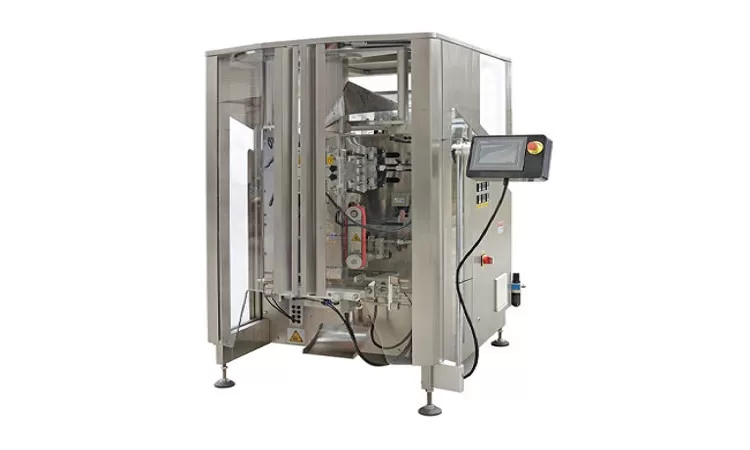
VFFS Equipment: The Ultimate Guide to Vertical Form Fill Seal Technology
13-03-2026 -
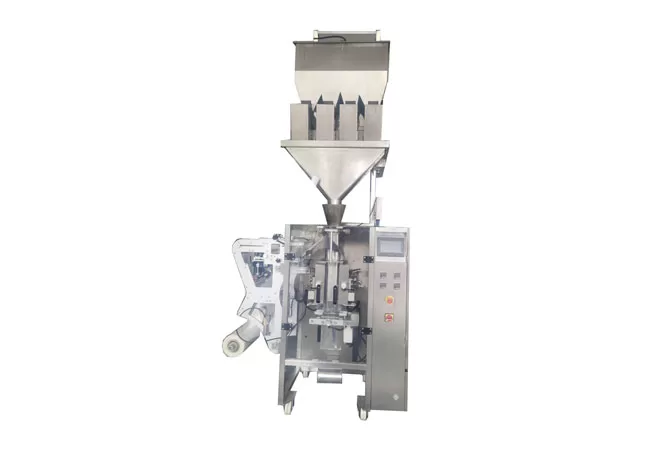
The Essential Guide to Weight Packing Machines for Precision Weighing
12-03-2026 -
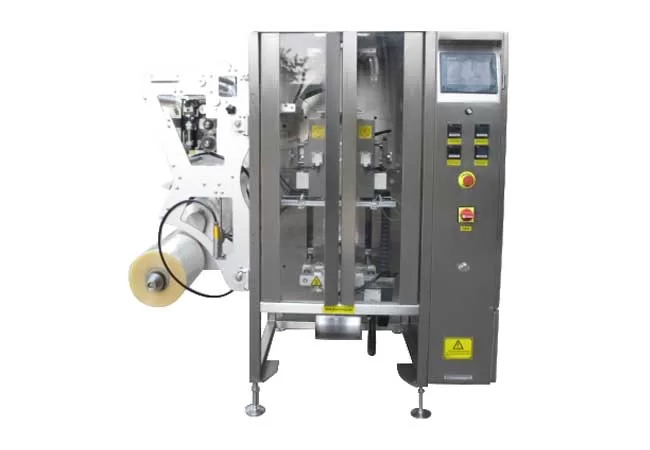
Power Packing Machine: The Ultimate Guide to Heavy-Duty Packaging Efficiency
11-03-2026 -
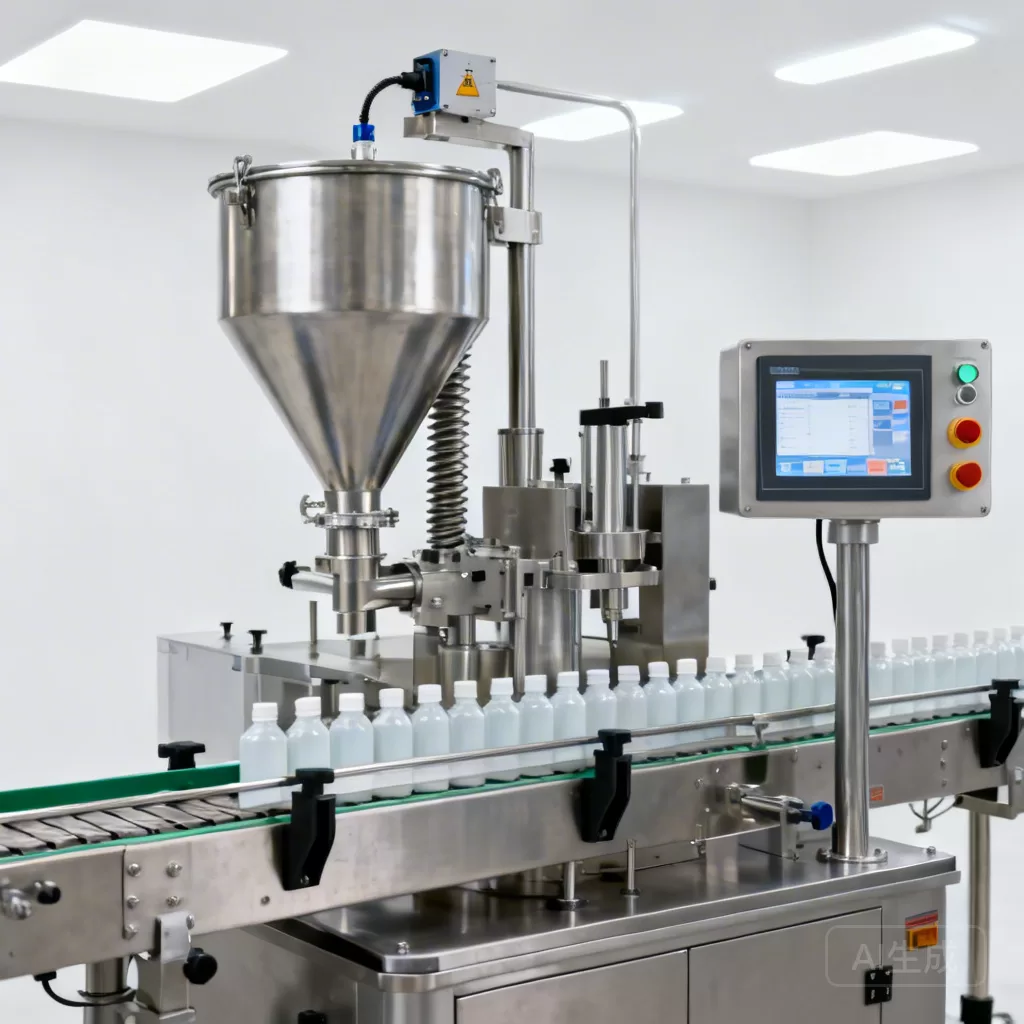
Weigher Packing Machine: The Definitive Guide to Precision Weighing & Packaging
10-03-2026 -
Auger Type Powder Filling Machine: The Ultimate Guide to Precision Packaging
09-03-2026 -
Advanced Packing Solutions: Snacks, Sugar, and Frozen Food Machines
29-10-2025 -
Efficient and Reliable Solutions for Salt, Nuts, and Frozen Dumplings Packing
29-10-2025 -
High-Performance Biscuits, Lollipop, and Ketchup Packing Machines for Modern Food Production
29-10-2025 -
Efficient Liquid Filling and Packing Machines for Modern Production
23-10-2025 -
Reliable Granule Packaging Machines for Efficient Production
23-10-2025
