
Liquid Milk Packing Machines vs. Manual Packing- Which is Better?
In the realm of food processing, the battle between automation and manual labor has been raging for eons. And when it comes to liquid milk packaging, this debate takes center stage. On one side stands the formidable liquid milk packing machine, a marvel of engineering that promises efficiency and precision. On the other, the age-old tradition of manual packing, a labor-intensive process that has stood the test of time. So, which approach reigns supreme? Let’s dive into the pros and cons to find out.
Embracing Automation: Liquid Milk Packing Machines
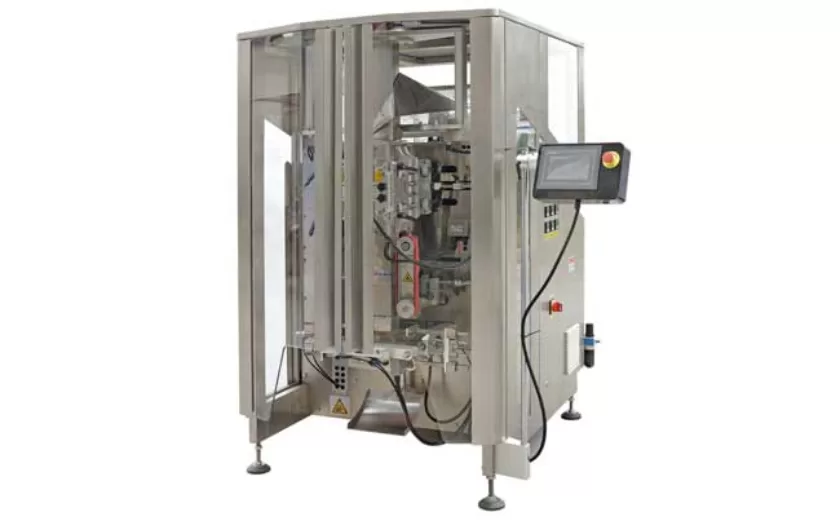
Liquid milk packing machines are the epitome of technological advancement in this domain. These sophisticated machines boast a host of advantages that make them a tempting choice for dairies and milk processors:
– Lightning-Fast Speed: They operate at lightning-fast speeds, churning out countless packages in a matter of minutes. This translates into massive productivity gains and time savings.
– Unmatched Precision: They dispense milk into containers with incredible accuracy, eliminating spillage, waste, and the need for manual adjustments.
– Hygiene and Safety: Automated systems minimize human contact with the product, reducing the risk of contamination and ensuring the utmost hygiene standards.
The Human Touch: Manual Milk Packing
Despite the allure of automation, manual packing still holds its ground in certain scenarios. It offers benefits that machines simply cannot replicate:
– Flexibility and Adaptability: Manual workers can easily adjust to changes in packaging styles, container sizes, and production volumes.
– Personal Touch: Human hands can handle delicate products with care, reducing the occurrence of damage or breakage.
– Lower Capital Investment: Manual packing requires minimal equipment investment, making it more accessible for small-scale operations.
Weighing the Pros and Cons
Ultimately, the choice between liquid milk packing machines and manual packing depends on specific factors such as production scale, cost considerations, and quality requirements.
For high-volume operations seeking efficiency, automation is the clear winner. Machines deliver consistent, high-quality packaging at impressive speeds. However, manual packing remains a viable option for smaller operations or those that value flexibility and the human touch.
Conclusion
The battle between liquid milk packing machines and manual packing is a testament to the constant evolution of technology and labor practices. Both approaches have their strengths and weaknesses, and the ideal choice will vary depending on the individual circumstances. However, as automation continues to advance and costs decline, the future of liquid milk packaging looks increasingly automated.


-
VFFS Equipment: The Ultimate Guide to Vertical Form Fill Seal Technology
13-03-2026 -
The Essential Guide to Weight Packing Machines for Precision Weighing
12-03-2026 -
Power Packing Machine: The Ultimate Guide to Heavy-Duty Packaging Efficiency
11-03-2026 -
Weigher Packing Machine: The Definitive Guide to Precision Weighing & Packaging
10-03-2026 -
Auger Type Powder Filling Machine: The Ultimate Guide to Precision Packaging
09-03-2026 -
Advanced Packing Solutions: Snacks, Sugar, and Frozen Food Machines
29-10-2025 -
Efficient and Reliable Solutions for Salt, Nuts, and Frozen Dumplings Packing
29-10-2025 -
High-Performance Biscuits, Lollipop, and Ketchup Packing Machines for Modern Food Production
29-10-2025 -
Efficient Liquid Filling and Packing Machines for Modern Production
23-10-2025 -
Reliable Granule Packaging Machines for Efficient Production
23-10-2025
