
Comparing Manual vs. Automatic Weighing Packaging Machines
In the realm of packaging, accuracy, speed, and efficiency are paramount. Weighing packaging machines are indispensable tools for dispensing precise amounts of products into packages, ensuring consistency and minimizing waste. Two primary types exist: manual and automatic weighing packaging machines, each offering distinct advantages and drawbacks. This comparison will delve into their key differences, empowering you to make informed decisions based on your specific needs.
Speed and Efficiency
Speed is crucial for high-volume production lines. Automatic weighing packaging machines significantly outperform manual counterparts in this regard. They utilize advanced technology to automate the weighing and dispensing processes, resulting in drastically reduced cycle times. This increased speed can lead to substantial cost savings and improved productivity. Additionally, automatic machines minimize human error, eliminating the risk of inconsistent or inaccurate weighing.
Accuracy and Precision
Accuracy is essential for ensuring product quality and regulatory compliance. Both manual and automatic weighing packaging machines can achieve high levels of accuracy. However, automatic machines tend to have a slight edge due to their automated processes. They use sophisticated sensors and control systems to ensure precise weight measurement and consistent dispensing. This precision helps minimize product waste and maintains product quality standards.
Flexibility and Versatility
Flexibility is another important factor to consider. Manual weighing packaging machines offer greater flexibility in terms of handling different product types and sizes. They can be easily adjusted to accommodate varying product characteristics, making them suitable for a wide range of applications. Automatic weighing packaging machines, on the other hand, are designed for specific products and may require extensive reprogramming to handle different materials.
Cost and Maintenance
Cost is a key consideration when selecting any equipment. Automatic weighing packaging machines typically have a higher initial cost than manual machines. However, their improved speed and efficiency can offset this expense over time. Additionally, automated machines often require less maintenance and have longer lifespans than manual counterparts, potentially reducing long-term operating costs.
Conclusion
The choice between manual and automatic weighing packaging machines depends on specific requirements. Manual machines offer flexibility and affordability, making them ideal for low-volume operations and products with variable characteristics. Automatic machines, on the other hand, excel in high-volume environments, providing exceptional speed, accuracy, and efficiency. By carefully considering the factors discussed above, you can select the right weighing packaging machine to optimize your packaging operations and achieve desired results.


-
VFFS Equipment: The Ultimate Guide to Vertical Form Fill Seal Technology
13-03-2026 -
The Essential Guide to Weight Packing Machines for Precision Weighing
12-03-2026 -
Power Packing Machine: The Ultimate Guide to Heavy-Duty Packaging Efficiency
11-03-2026 -
Weigher Packing Machine: The Definitive Guide to Precision Weighing & Packaging
10-03-2026 -
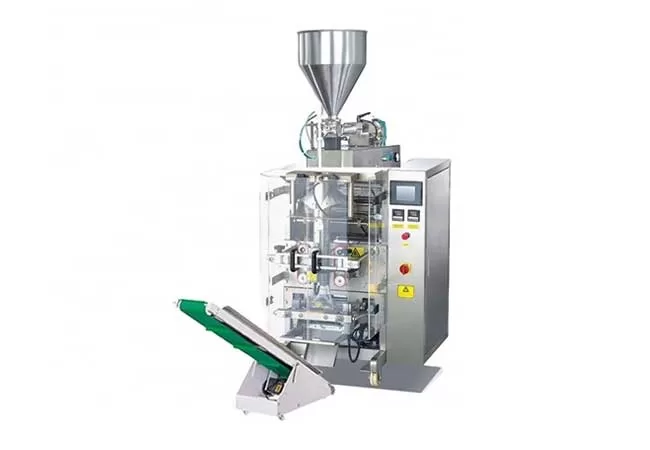
Auger Type Powder Filling Machine: The Ultimate Guide to Precision Packaging
09-03-2026 -
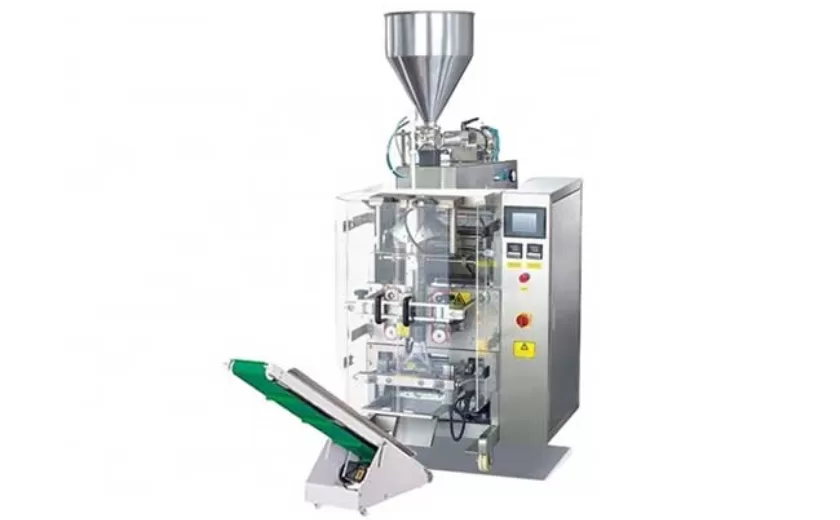
Advanced Packing Solutions: Snacks, Sugar, and Frozen Food Machines
29-10-2025 -
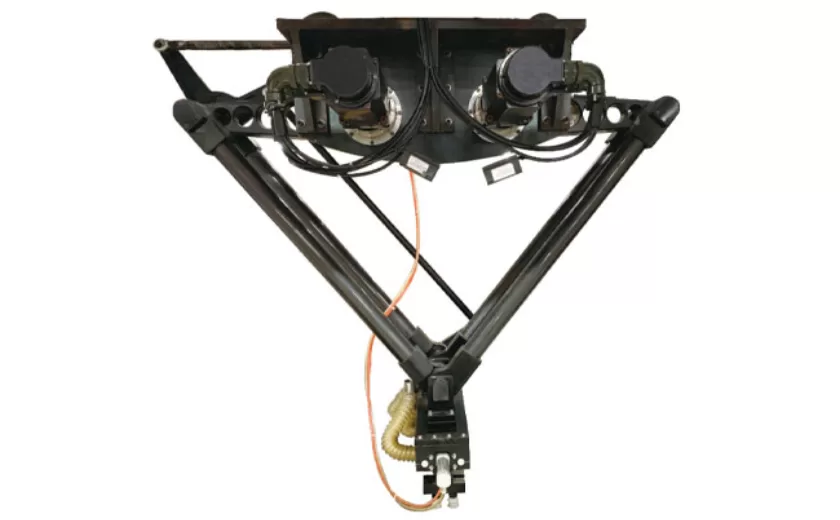
Efficient and Reliable Solutions for Salt, Nuts, and Frozen Dumplings Packing
29-10-2025 -
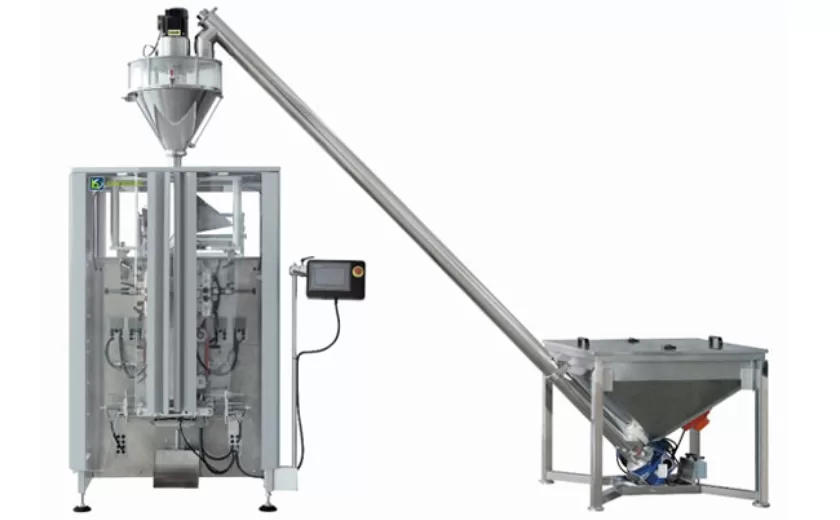
High-Performance Biscuits, Lollipop, and Ketchup Packing Machines for Modern Food Production
29-10-2025 -
Efficient Liquid Filling and Packing Machines for Modern Production
23-10-2025 -
Reliable Granule Packaging Machines for Efficient Production
23-10-2025
