

Vertical Form Seal Machine: The Definitive Guide to High-Efficiency Packaging Solutions
Understanding Vertical Form Seal Machines: Core Technology and Industrial Applications
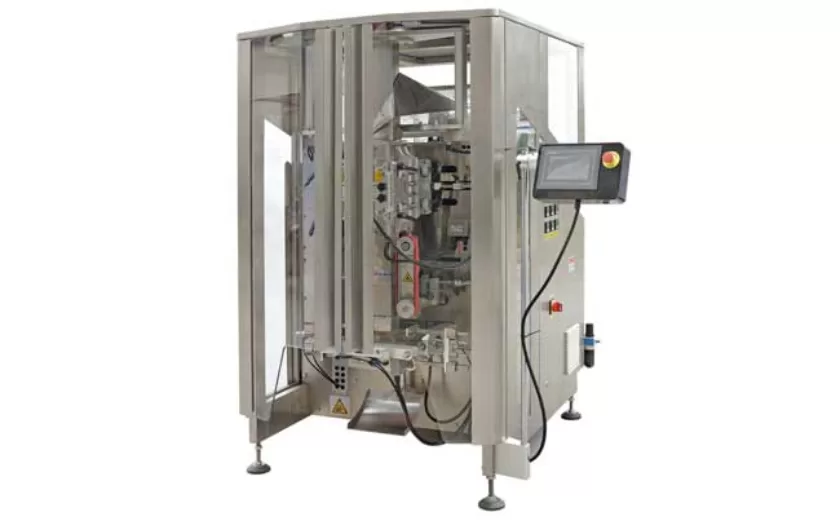
Vertical Form Seal (VFS) machines are advanced automated packaging systems designed to form, fill, and seal products in a vertical orientation. These machines are widely used across food, pharmaceutical, and consumer goods industries, offering high-speed, precision packaging for a wide range of products—from granular goods like rice and sugar to liquid items like sauces and beverages. Unlike horizontal packaging systems, VFS machines excel at handling products that require vertical feeding, making them a versatile solution for diverse manufacturing needs.
Key Components of Vertical Form Seal Machines
A typical VFS machine consists of several critical components that work together to deliver efficient packaging:
1. Film Unwinding System: Feeds the packaging film from a roll, ensuring consistent tension and alignment to prevent wrinkles or misalignment.
2. Forming Tube: Shapes the flat film into a vertical tube around the product, with adjustable width to accommodate different package sizes (from small sachets to large bags).
3. Sealing System: Uses heat sealing (or ultrasonic sealing for heat-sensitive materials) to create airtight seals on the top and bottom of the package, ensuring product freshness and protection.
4. Product Feeding Mechanism: Delivers products to the forming tube—options include volumetric fillers for granular goods, auger fillers for powders, and piston pumps for liquids.
5. Control Interface: A user-friendly touchscreen panel that allows operators to adjust settings (speed, temperature, package dimensions) and monitor machine performance in real time.
Types of Vertical Form Seal Machines
VFS machines are categorized based on their design and application to meet specific industry needs:
1. Granular VFS Machines: Optimized for dry, granular products like cereals, snacks, and pet food, using volumetric or auger fillers to ensure accurate portioning.
2. Liquid VFS Machines: Designed for liquid or semi-liquid products (sauces, oils, syrups), featuring piston or peristaltic pumps to prevent leakage and ensure precise filling.
3. Multi-Function VFS Machines: Versatile systems that can handle multiple product types (solids, liquids, powders) with interchangeable feeding modules, ideal for businesses with diverse product lines.
4. High-Speed VFS Machines: Capable of packaging up to 200 units per minute, suitable for large-scale production lines in industries like food processing and pharmaceuticals.
5. Modified Atmosphere Packaging (MAP) VFS Machines: Integrate gas flushing (nitrogen/carbon dioxide) to extend product shelf life, commonly used for fresh produce, meat, and baked goods.
Benefits of Implementing Vertical Form Seal Machines
VFS machines offer a range of advantages over manual or semi-automated packaging methods, making them a strategic investment for modern manufacturing facilities.
Enhanced Productivity and Throughput
VFS machines operate at consistent high speeds, significantly increasing production output compared to manual labor. For example, a high-speed VFS machine can package 150–200 bags per minute, depending on product size and complexity. This efficiency is critical for high-volume production lines, where even small gains in speed translate to substantial cost savings and improved delivery times.
Superior Product Protection and Freshness
The airtight seals created by VFS machines protect products from moisture, oxygen, and contaminants—critical for perishable goods like food and pharmaceuticals. MAP-enabled VFS machines further extend shelf life by replacing air with inert gases, reducing spoilage and waste. This level of protection not only preserves product quality but also enhances brand reputation by ensuring customers receive fresh, intact products.
Cost Savings and Return on Investment (ROI)
While the initial cost of a VFS machine may be higher than manual solutions, the long-term savings are significant. VFS machines eliminate labor costs associated with manual packaging (one of the largest expenses in the supply chain) and reduce material waste by using precise amounts of film. Most businesses recoup their investment within 12–24 months, with ongoing savings from reduced labor and waste.
Flexibility and Adaptability
VFS machines are highly customizable to meet changing production needs. Operators can quickly adjust package sizes, sealing temperatures, and filling volumes to accommodate new products or packaging designs. For example, a single VFS machine can switch from packaging 100g snack bags to 5kg rice bags in minutes, making it ideal for businesses with diverse product lines or seasonal demand fluctuations.
Key Considerations for Choosing Vertical Form Seal Machines
Selecting the right VFS machine requires careful evaluation of your specific production needs. Here are critical factors to consider:
Product Characteristics
The type of product you package will determine the machine’s design:
• Granular/powdered products: Require auger or volumetric fillers to ensure accurate portioning.
• Liquids/semi-liquids: Need leak-proof piston or peristaltic pumps.
• Fragile products: May require gentle handling mechanisms to prevent damage during packaging.
Production Volume and Throughput
Match the machine’s speed to your production needs:
• Low-volume operations: Compact VFS machines with a throughput of 50–100 units per minute are sufficient.
• High-volume lines: High-speed VFS machines (150+ units per minute) are necessary to avoid bottlenecks.
Packaging Material Compatibility
VFS machines work with a range of packaging materials, including polyethylene (PE), polypropylene (PP), and laminated films. Ensure the machine can handle your preferred material—for example, heat-sensitive films may require ultrasonic sealing instead of heat sealing.
Customization and Scalability
Choose a machine that can grow with your business:
• Look for modular designs that allow you to add features (e.g., MAP, date coding) as needed.
• Ensure the machine can handle larger package sizes or higher throughputs if your production volume increases.
Future Trends in Vertical Form Seal Machines
The VFS machine industry is evolving rapidly, driven by technological advancements and changing consumer demands. Here are key trends shaping the future:
Industry 4.0 Integration
Modern VFS machines are integrating IoT (Internet of Things) and AI (Artificial Intelligence) technologies to enable real-time monitoring, predictive maintenance, and remote control. For example, sensors can detect film misalignment or seal defects, triggering automatic adjustments to minimize downtime. AI algorithms can also optimize packaging speed and material usage based on production data.
Sustainable Packaging Solutions
As environmental concerns grow, VFS machines are being designed to use eco-friendly materials (recyclable films, biodegradable packaging) and reduce energy consumption. Some machines feature energy-efficient heating systems and film-saving technologies to minimize waste, aligning with global sustainability goals.
Smart Packaging Features
VFS machines are adding smart features like QR codes, RFID tags, and temperature sensors to enhance product traceability. These features allow consumers to access product information (origin, expiration date) via their smartphones and help manufacturers track products throughout the supply chain.
At Baopack Machinery, we specialize in providing high-quality vertical form seal machine solutions tailored to your business needs. Our machines are designed to boost productivity, reduce costs, and ensure product quality. Whether you need a standard system or a customized solution, our team of experts can help you find the right VFS machine for your production line. Contact us today to learn more about our products and how we can optimize your packaging operations.


-
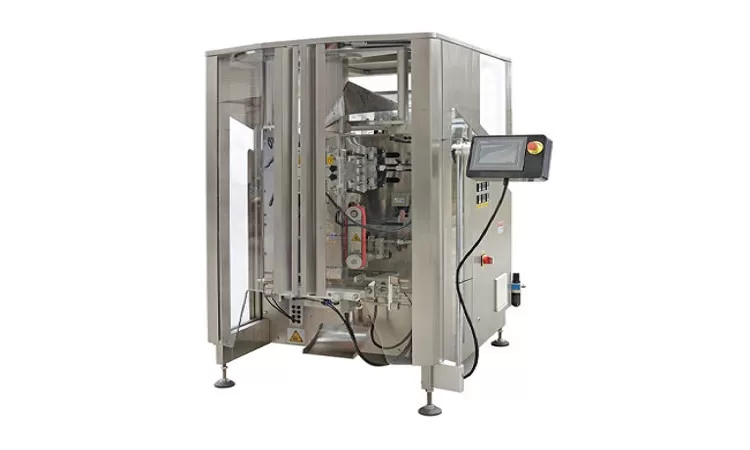
VFFS Equipment: The Ultimate Guide to Vertical Form Fill Seal Technology
13-03-2026 -
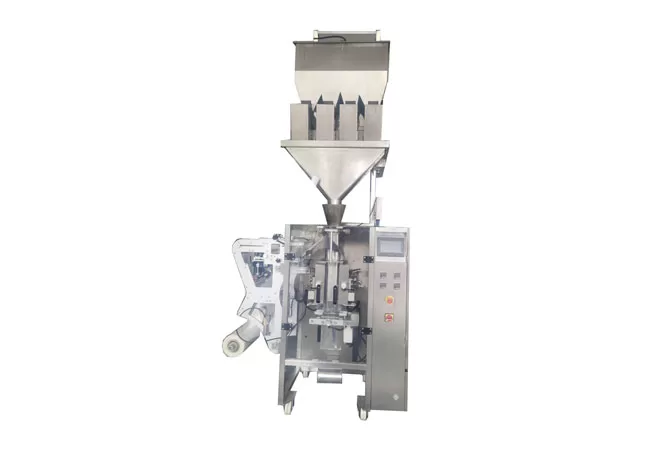
The Essential Guide to Weight Packing Machines for Precision Weighing
12-03-2026 -
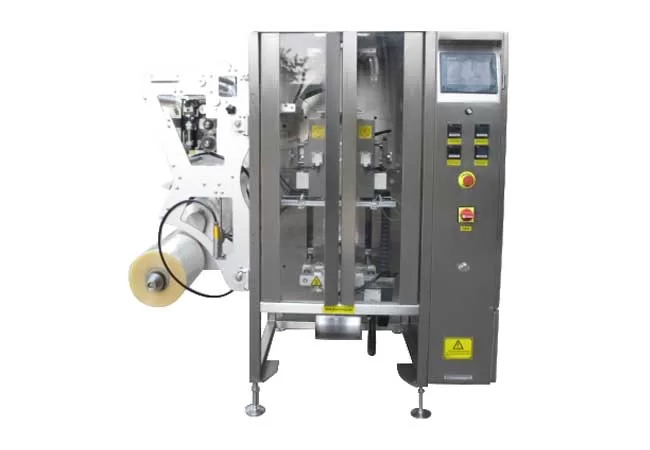
Power Packing Machine: The Ultimate Guide to Heavy-Duty Packaging Efficiency
11-03-2026 -
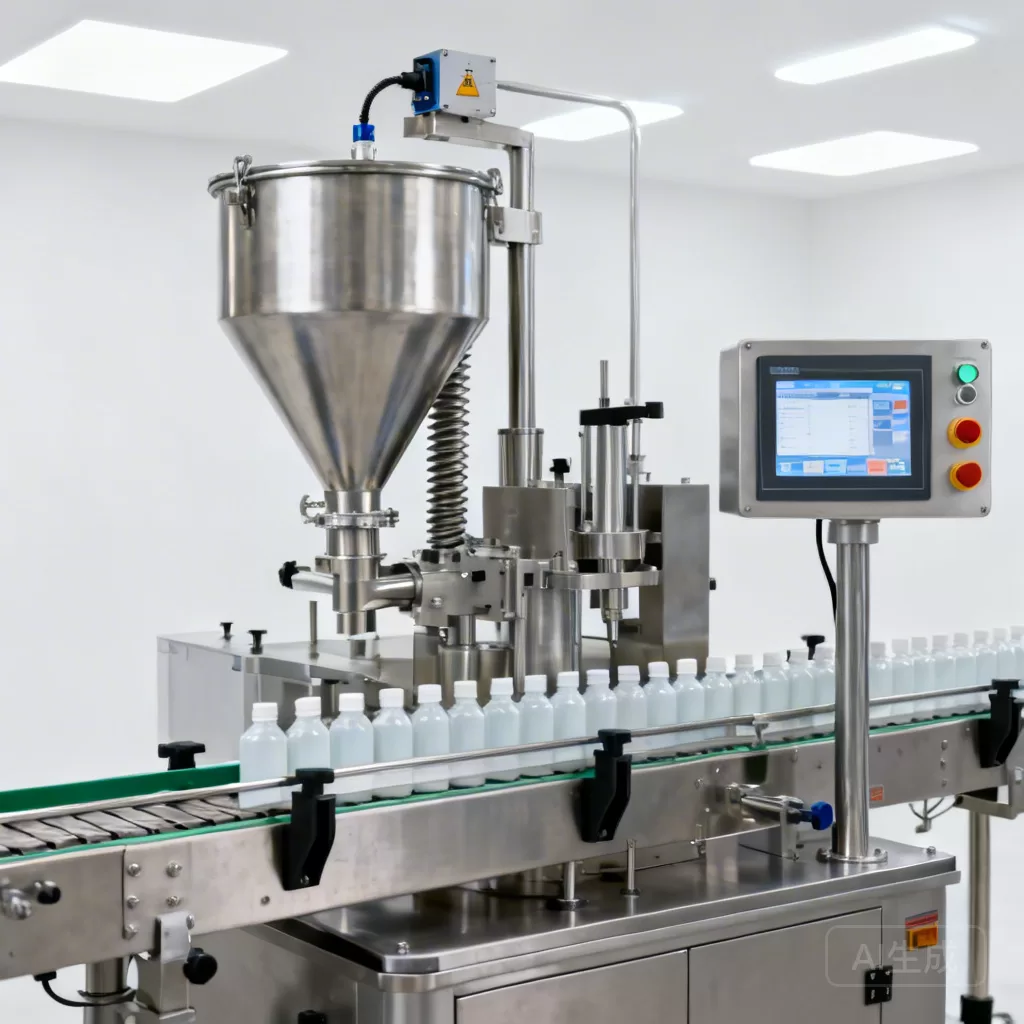
Weigher Packing Machine: The Definitive Guide to Precision Weighing & Packaging
10-03-2026 -
Auger Type Powder Filling Machine: The Ultimate Guide to Precision Packaging
09-03-2026 -
Advanced Packing Solutions: Snacks, Sugar, and Frozen Food Machines
29-10-2025 -
Efficient and Reliable Solutions for Salt, Nuts, and Frozen Dumplings Packing
29-10-2025 -
High-Performance Biscuits, Lollipop, and Ketchup Packing Machines for Modern Food Production
29-10-2025 -
Efficient Liquid Filling and Packing Machines for Modern Production
23-10-2025 -
Reliable Granule Packaging Machines for Efficient Production
23-10-2025
