
Vertical Form Fill Machine: How It Works and Why It Matters for Modern Packaging
A vertical form fill machine operates by taking a flat roll of film, forming it into a tube around a product, filling that tube with contents, and sealing it all in one continuous motion. This process happens at remarkable speed—some machines complete 40 bags per minute or more. For manufacturers dealing with powders, granules, or small products, this efficiency translates directly into reduced labor costs and increased throughput.
The key advantage lies in its simplicity compared to pre-made bag systems. Instead of purchasing finished pouches and manually filling them, a vertical form fill machine creates the bag as it packages. This reduces material waste, lowers inventory requirements, and offers flexibility in bag dimensions. The machine reads the film, calculates bag length, forms the seal, and moves to the next cycle with minimal human intervention.
Understanding the Core Mechanism of Vertical Form Fill Machines
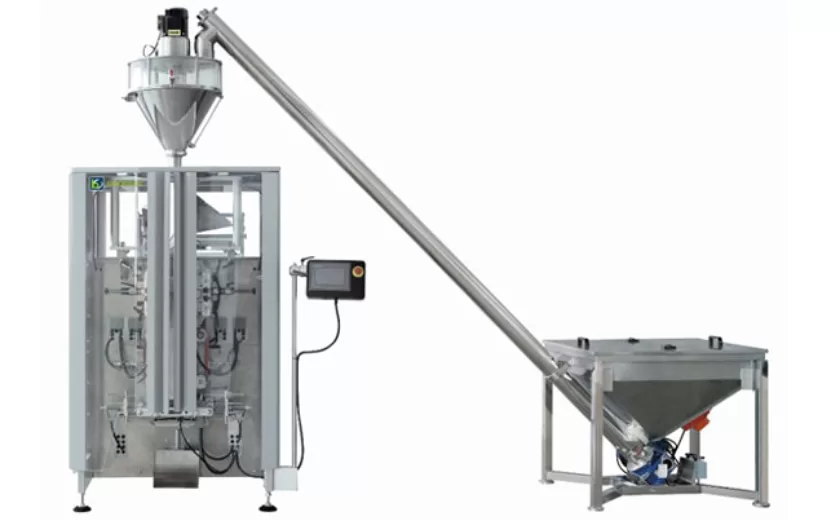
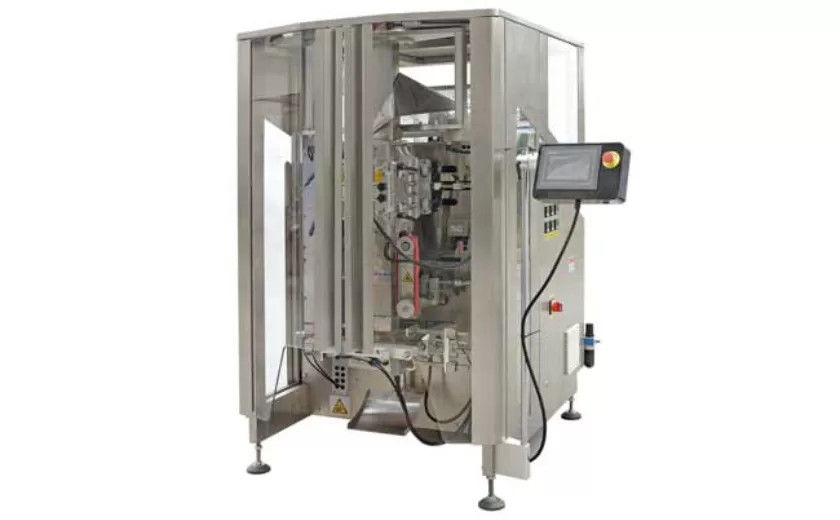
The heart of a vertical form fill machine is its forming tube, a precision-engineered component that wraps film around incoming product. As film descends from the roll above, the tube gradually narrows, creating a tubular shape that contains the product stream. The servo-driven vacuum film pulling system ensures consistent tension and smooth advancement of the film throughout each cycle.
Positioning accuracy matters tremendously here. If the film advances too quickly or hesitates, seal placement becomes inconsistent, reducing bag quality and causing production delays. This is where servo motors outperform traditional stepper systems—they provide real-time feedback and adjustment, maintaining exact film positioning across thousands of cycles.
The anti-folding device represents an often-overlooked but critical innovation. During horizontal sealing, film can fold or wrinkle at the seal line, compromising bag integrity. Modern machines address this through mechanical guides and pressure systems that keep film flat during the sealing moment, resulting in clean, professional-looking packages.
How Vertical Form Fill and Seal Technology Differs from Alternatives
Comparing a vertical form fill machine to horizontal form fill systems reveals distinct trade-offs. Horizontal machines excel with rigid items or products requiring visual display on the front of the package. Vertical machines dominate when speed and material efficiency take priority.
| Aspect | Vertical Form Fill Machine | Horizontal Form Fill Machine | Pre-made Bag Systems |
|---|---|---|---|
| Setup Time | Low | Moderate | High |
| Speed Range | Up to 40+ bags/min | 15-30 bags/min | 5-15 bags/min |
| Film Flexibility | High (custom lengths) | High (custom lengths) | Fixed dimensions |
| Material Cost | Lower per unit | Lower per unit | Higher (pre-made) |
| Labor Requirement | Minimal | Minimal | High |
| Initial Investment | Moderate | Moderate | Low |
The vertical form fill machine excels because it eliminates intermediate steps. Product moves from the hopper directly into the forming film, reducing handling and contamination risk. For food, pharmaceutical, or hardware products, this direct path is both an efficiency gain and a quality safeguard.
Technical Specifications That Impact Real-World Performance
Understanding the specifications of a vertical form fill machine helps manufacturers choose equipment suited to their specific products. A machine with a maximum capacity of 40 bags per minute may seem impressive, but this number depends entirely on bag size and product characteristics.
Bag dimensions significantly affect speed. A machine capable of producing bags measuring 60–180mm in length and 50–260mm in width can handle everything from small spice pouches to larger snack packages. Shorter bags form faster; longer bags require more sealing time. Product density also plays a role—light powders may require careful airflow management to prevent clumping during the fill phase, while denser granules pack more predictably.
Film thickness tolerance matters for consistency. Most vertical form fill machines work with film ranging from 0.04mm to 0.09mm thickness. Thinner film runs faster but carries higher tear risk; thicker film provides durability but may require slower speeds to achieve proper seals. The machine’s heating elements and pressure settings adjust for these variations.
Air consumption is another practical consideration often overlooked during selection. A machine requiring 0.3 cubic meters per minute at 0.8 megapascals demands specific compressor capacity. Undersized air systems cause erratic performance—intermittent sealing failures, weak vacuums, and inconsistent bag shapes. Before installation, confirming that your facility’s compressed air infrastructure matches the machine’s requirements prevents costly operational surprises.
The Role of Servo-Driven Systems in Quality and Reliability
Servo motors represent a fundamental upgrade from traditional stepper or pneumatic actuation in vertical form fill machines. They enable precision that older technologies simply cannot match. A servo system continuously monitors film position and adjusts motor speed in real time, compensating for film variations or fluctuating product density.
This feedback loop has several practical benefits. First, it reduces defect rates—fewer misfed seals and misaligned bags mean less scrap and reduced downtime for quality corrections. Second, it extends film roll life by minimizing tension spikes that cause tears. Third, it allows operators to run faster without sacrificing quality, directly improving output per shift.
The automatic correction system works alongside servo control. Cameras or sensors track the film edges and registration marks printed on the film itself. If the film drifts slightly left or right, the system signals the servo to adjust pulling tension and tube position, maintaining perfect alignment throughout production. For products where seal placement matters—whether for aesthetic or functional reasons—this correction capability is essential.
What Makes Advanced Anti-Folding Devices Important
Film folding during sealing is a silent production killer. A small wrinkle in the seal area may not prevent the bag from holding product, but it creates a weak point prone to failure during handling or storage. Customers find leaking packages, manufacturers face returns, and brand reputation suffers.
The anti-folding device uses mechanical design to keep film flat at the moment of sealing. It typically combines pressure plates, guide rails, and sometimes pneumatic assistance to hold film in precise position. The engineering is deceptively subtle—but the impact is dramatic. Machines equipped with refined anti-folding systems produce bags that look uniformly professional and maintain structural integrity through their entire shelf life.
Ease of adjustment is equally important. If an operator must disassemble half the machine to modify anti-folding settings, they simply won’t adjust it for different film types or bag sizes. Machines designed with operator experience in mind feature simple manual adjustment mechanisms or quick-change components. This practical consideration determines whether your machine adapts to product changes or becomes a bottleneck.
Selecting the Right Vertical Form Fill Machine for Your Products
Choosing a vertical form fill machine requires matching machine capabilities to your specific material and production volume. Start by defining your target products. Powders, granules, and small hardware items represent the sweet spot for vertical form fill packaging. Heavy items that roll or shift during sealing may perform better on horizontal systems.
Next, calculate realistic throughput needs. The 40 bags per minute specification represents maximum speed under ideal conditions—perfectly sized bags, ideal film, compatible product density. Real-world production typically runs 20–30 bags per minute accounting for setup, film threading, and changeover time between products.
Film width capacity also influences your choice. A machine accepting film up to 360mm wide covers most commercial pouch sizes. If your products require unusually wide bags, verify that your machine’s forming tube and sealing jaw width accommodate this. Conversely, if you only package small items, a smaller machine footprint saves floor space and energy.
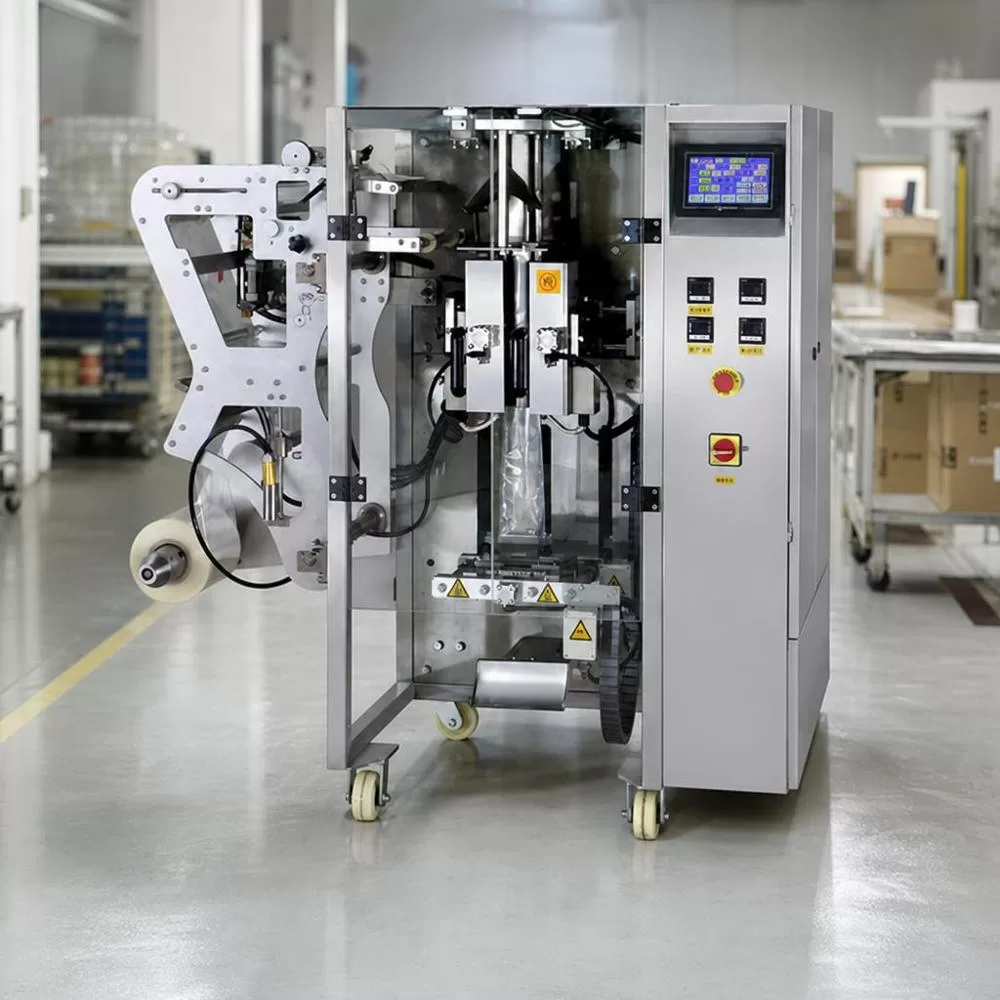
Consider the material compatibility of your packaging film. Most vertical form fill machines work with polyethylene, polypropylene, and multilayer films commonly available in the market. If you use specialized or barrier films for extended shelf life or product protection, confirm that the machine’s heating elements and tension system handle these materials without degradation.
After-sales support should factor into your decision. A machine sitting idle due to a faulty servo or heating element becomes an expensive liability. Manufacturers who stock spare parts and offer responsive technical support provide insurance against production disruptions. For us at Baopack, maintaining a service network means our customers never lose more than a few hours to equipment issues.
Common Operational Challenges and How Modern Machines Address Them
New operators often encounter predictable issues during their first weeks with a vertical form fill machine. Film tracking errors—where the film drifts during operation—rank at the top. Modern machines solve this through the automatic correction system. Older equipment relied on manual adjustment of nip rollers and guides; newer systems handle this automatically through sensor feedback.
Static electricity represents another challenge, particularly with certain films and dry products. Static charges can cause film to stick to guide rails or jump position unexpectedly. Some machines incorporate anti-static bars or grounding mechanisms to dissipate charge before it causes problems.
Seal quality variation across different products stems from differences in product moisture, density, or film composition. Machines with adjustable pressure and temperature controls allow operators to fine-tune sealing parameters without replacing equipment. This flexibility determines whether your machine handles a diverse product portfolio or requires multiple specialized machines.
The Economic Case for Vertical Form Fill Packaging
The financial argument for investing in a vertical form fill machine typically becomes clear within the first year of operation. Material costs drop because you purchase film in large rolls at lower per-unit prices compared to pre-made bags. Labor requirements shrink dramatically—one operator can manage a vertical machine producing thousands of packages daily, whereas manual filling requires a small team.
Quality consistency also carries financial weight. Fewer rejected bags means higher yield, lower scrap costs, and less rework. Customers receive uniform products, reducing return rates and warranty claims. For manufacturers operating on thin margins, these efficiency gains often mean the difference between profitability and marginal viability.
Energy consumption represents an ongoing operational cost. Compressed air, heating elements, and motor operation accumulate expense across thousands of cycles. Machines designed with energy efficiency—servo systems that don’t waste power, properly insulated heaters, optimized cycle times—lower your cost per package over the machine’s lifespan.
Integration with Your Existing Production Line
A vertical form fill machine doesn’t operate in isolation. It connects upstream to product hoppers or conveyor systems that feed material consistently. Downstream, finished packages typically move to metal detectors, labeling equipment, or case packers. The machine’s interface points—hopper compatibility, film threading accessibility, finished package discharge height—determine whether integration is seamless or requires custom adapters and operator workarounds.
Consideration for future flexibility matters as well. If your product portfolio may expand or change, a vertical form fill machine offering adjustable bag dimensions and compatible with multiple film types provides longer equipment life without replacement. A machine locked into one specific bag size or film width becomes obsolete as soon as your products evolve.
Moving Forward with Vertical Form Fill Technology
The vertical form fill machine remains a cornerstone of modern packaging operations because it solves genuine problems: speed, flexibility, material efficiency, and consistent quality. Understanding how the technology works—the servo-driven film pulling, the anti-folding mechanisms, the automatic correction systems—helps you make informed decisions about which equipment fits your operation.
Whether you’re packaging food ingredients, pharmaceuticals, hardware, or agricultural products, the fundamental value proposition of a vertical form fill machine stays consistent. It reduces per-unit costs, accelerates production, and delivers professional package quality that meets market expectations. The technology continues to evolve, with each generation offering refinements that translate into measurable improvements in your production efficiency and operational flexibility.


-
VFFS Equipment: The Ultimate Guide to Vertical Form Fill Seal Technology
13-03-2026 -
The Essential Guide to Weight Packing Machines for Precision Weighing
12-03-2026 -
Power Packing Machine: The Ultimate Guide to Heavy-Duty Packaging Efficiency
11-03-2026 -
Weigher Packing Machine: The Definitive Guide to Precision Weighing & Packaging
10-03-2026 -
Auger Type Powder Filling Machine: The Ultimate Guide to Precision Packaging
09-03-2026 -
Advanced Packing Solutions: Snacks, Sugar, and Frozen Food Machines
29-10-2025 -
Efficient and Reliable Solutions for Salt, Nuts, and Frozen Dumplings Packing
29-10-2025 -
High-Performance Biscuits, Lollipop, and Ketchup Packing Machines for Modern Food Production
29-10-2025 -
Efficient Liquid Filling and Packing Machines for Modern Production
23-10-2025 -
Reliable Granule Packaging Machines for Efficient Production
23-10-2025
