
Common Problems with Granule Packaging Machines and How to Solve Them
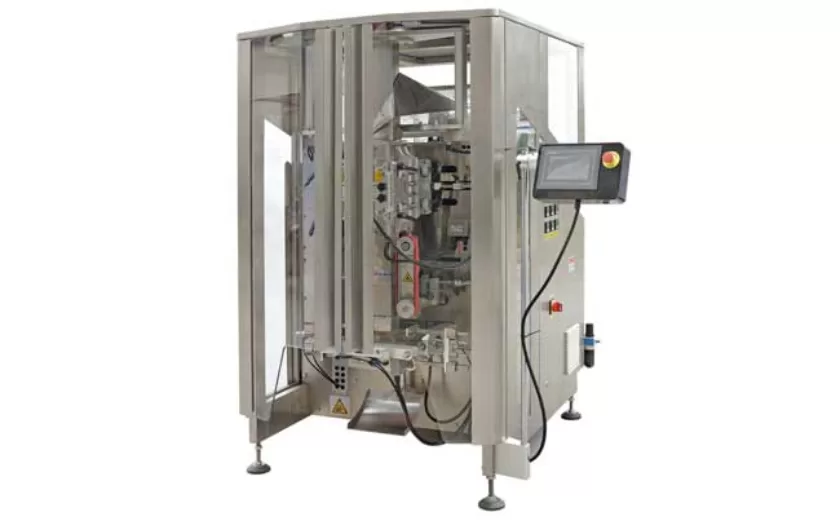
In the realm of packaging, precision and efficiency are paramount, particularly when it comes to handling delicate granules. However, even the most advanced granule packaging machines can encounter occasional glitches that threaten productivity.
1. Clogging:
When granules accumulate within the machine, they can obstruct the flow, causing delays and product wastage. To prevent this, ensure regular cleaning and maintenance of the machine’s components, particularly the feeding system. Inspect for any obstructions or wear and tear and address them promptly.
2. Inaccurate Filling:
Inaccurate filling can result in either over- or under-filled pouches, leading to product inconsistencies and customer dissatisfaction. To rectify this, calibrate the filling system regularly. Check the sensors and scales to ensure their accuracy and make adjustments as needed.
3. Torn Pouches:
Torn pouches can compromise the integrity of the granules and pose a food safety risk. This problem can arise from several factors, including incorrect pouch material selection, improper settings on the sealing system, or foreign objects within the machine. Inspect the material and settings to ensure suitability and remove any debris from the machine.
4. Machine Overheating:
Prolonged use of granule packaging machines can generate heat, leading to overheating. This can reduce the machine’s efficiency and lifespan. To mitigate this, implement cooling measures such as installing cooling fans or ensuring adequate ventilation around the machine.
5. Electrical Faults:
Electrical malfunctions can range from minor wiring issues to more severe circuit failures. To troubleshoot these problems effectively, isolate the source of the fault using electrical testing tools. Replace faulty components and ensure proper wiring to restore the machine’s operation.
6. Pneumatic Issues:
Pneumatic systems, used for product handling in packaging machines, can encounter problems such as leaks, pressure fluctuations, or valve malfunctions. To resolve these issues, inspect the pneumatic lines for leaks and replace any damaged components. Adjust the pressure settings as needed and ensure the valves are operating correctly.
7. Human Error:
Operator error can account for a significant portion of granule packaging problems. To minimize this, provide adequate training to operators, ensuring they understand the machine’s operation and maintenance procedures. Establish clear operating protocols and enforce quality control measures to prevent human-induced errors.
By addressing these common problems promptly and effectively, granule packaging machines can operate at their optimal efficiency, ensuring consistent product quality and maximizing productivity.


-
VFFS Equipment: The Ultimate Guide to Vertical Form Fill Seal Technology
13-03-2026 -
The Essential Guide to Weight Packing Machines for Precision Weighing
12-03-2026 -
Power Packing Machine: The Ultimate Guide to Heavy-Duty Packaging Efficiency
11-03-2026 -
Weigher Packing Machine: The Definitive Guide to Precision Weighing & Packaging
10-03-2026 -
Auger Type Powder Filling Machine: The Ultimate Guide to Precision Packaging
09-03-2026 -
Advanced Packing Solutions: Snacks, Sugar, and Frozen Food Machines
29-10-2025 -
Efficient and Reliable Solutions for Salt, Nuts, and Frozen Dumplings Packing
29-10-2025 -
High-Performance Biscuits, Lollipop, and Ketchup Packing Machines for Modern Food Production
29-10-2025 -
Efficient Liquid Filling and Packing Machines for Modern Production
23-10-2025 -
Reliable Granule Packaging Machines for Efficient Production
23-10-2025
