
Choosing a Vertical Packaging Machine for Granule Production Lines
Granule products behave differently from powders or liquids on a packaging line, and that difference causes more downtime than most operators expect. Rice, nuts, dried fruit pieces, and pharmaceutical granules shift unevenly as they fall through a filling chute, which means a vertical packaging machine built for powders often jams or seals crooked bags when fed granules instead. Understanding what separates a granule-ready machine from a generic one helps buyers avoid costly line stoppages.
Why Granule Packaging Needs a Dedicated Machine Design
Granules settle at inconsistent rates compared to fine powders. A powder flows almost like a liquid, filling a bag evenly, but granules can bridge, bounce, or clump near the chute opening. This creates uneven bag weights and, worse, film misalignment during sealing.
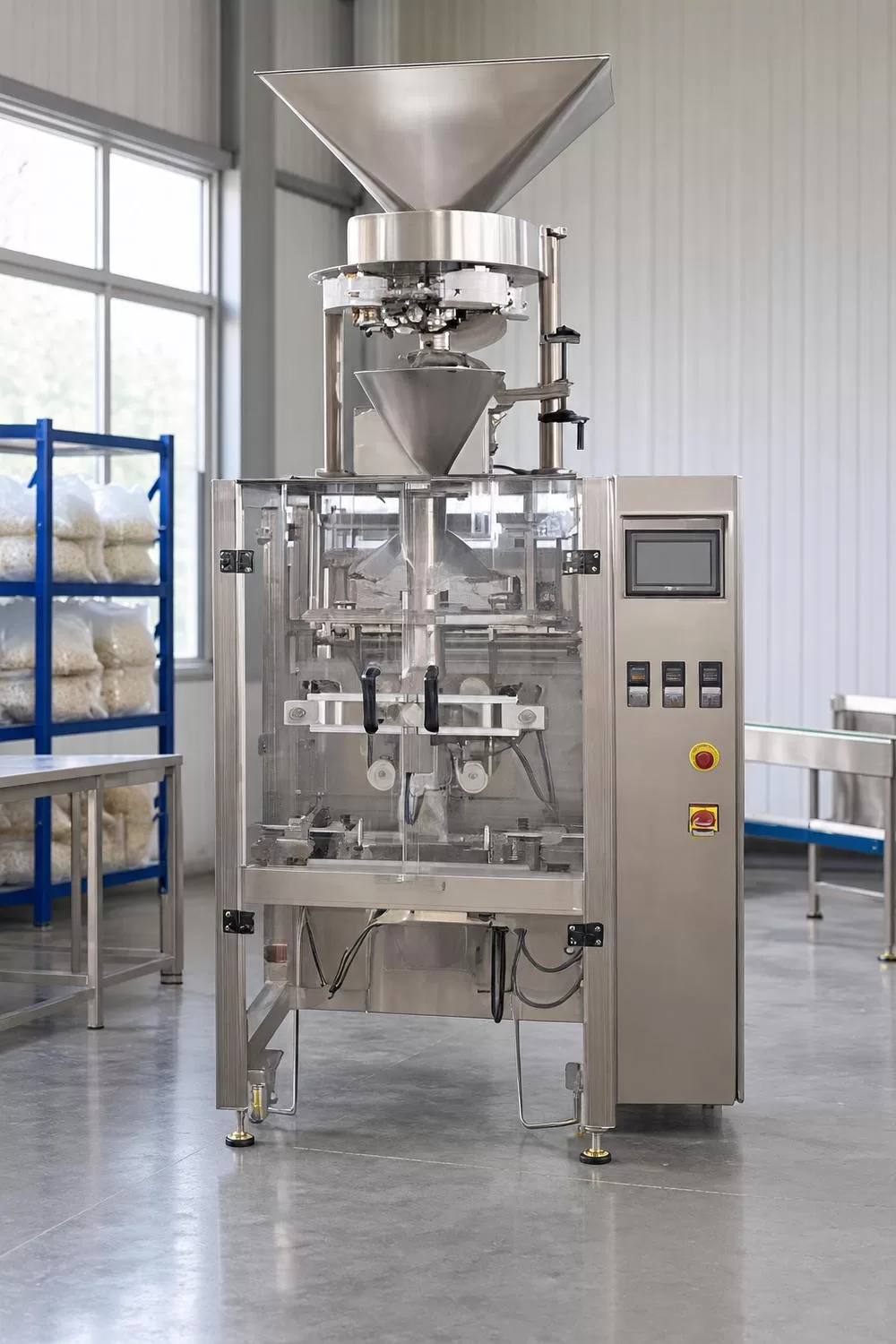
A vertical form fill and seal (VFFS) machine designed specifically for granules addresses this through its film handling and dosing control. The CB-VP52A from Baopack, for instance, uses a servo-driven film drawing system to keep positioning accurate even when granule flow is irregular. That level of control matters more here than it would on a line running fine powder, where gravity alone does most of the work.
The Role of Servo Control in Bag Consistency
Servo motors give a packaging line something pneumatic or basic mechanical systems cannot: repeatable, programmable positioning. On a vertical packaging machine, the film has to advance by the exact same increment for every single bag, thousands of times per shift.
If that increment drifts even slightly, bag length becomes inconsistent, and sealing jaws may not land on the correct spot. The CB-VP52A applies servo control directly to film drawing, which keeps bag dimensions steady across long production runs. Paired with an automatic film rectifying deviation function, the system corrects for minor film drift before it compounds into a packaging defect.
Hygienic Construction Matters More Than It Seems
Food and pharmaceutical granules carry stricter contact-surface requirements than most industrial products. Any machine touching rice, dried fruit, or pharmaceutical granules needs surfaces that resist corrosion, clean easily, and don’t introduce contamination risk over years of operation.
That’s why the CB-VP52A is built with 304 stainless steel throughout its contact points. This isn’t a cosmetic choice. Stainless steel of this grade resists the moisture, salts, and cleaning chemicals common in food plants, which keeps the equipment compliant with food-grade hygiene expectations over its working life.
Matching Bag Style to Product and Market
Not every granule product should be packed the same way. A snack brand selling trail mix at retail might want a bag that stands upright on a shelf, while a bulk rice distributor may only need a simple pillow bag for a carton.
Vertical packaging machines built with flexible bag-forming capability let one piece of equipment serve multiple product lines without a full retooling. The CB-VP52A can produce:
- Pillow-type bags, suited for straightforward retail or bulk packaging where shelf display isn’t a priority
- Gusset bags, which provide expandable sides for products that need more volume flexibility
- Punch bags, often used when a hang-hole or resealable feature adds shelf convenience
This flexibility reduces the need to invest in separate machines for each packaging format, which is a meaningful cost consideration for mid-sized producers running varied product catalogs.
Reading the Technical Specifications Correctly
Buyers often focus only on top-line speed, but a handful of other specifications determine whether a machine actually fits a given production line. Below is a breakdown of the CB-VP52A’s core specifications, which illustrate the kind of detail worth comparing across machine options.
| Specification | Value |
|---|---|
| Capacity | Up to 60 bags/min |
| Bag Length | 50-350mm |
| Bag Width | 50-250mm |
| Max Film Width | 520mm |
| Film Thickness | 0.04-0.09mm |
| Power | 3.4KW |
| Voltage | Single phase 220V / 3 phase 380V, 50/60Hz |
| Dimensions | 1560 x 1160 x 1530mm |
| Weight | 480kg |
| Hopper Volume | 90kg |
Film thickness range matters particularly for granule packaging, since granules with sharp edges, like certain nuts or hardware components, can puncture film that’s too thin. A range of 0.04 to 0.09mm gives operators room to select a film gauge matched to the abrasiveness of their specific product.
Where This Equipment Fits in a Production Line
A vertical packaging machine rarely runs in isolation. On a full line, it works alongside feeding and conveying equipment that gets product into the hopper consistently. Baopack’s documentation for this model shows it paired with an inclined conveyor and vibrating feeder tray, which helps regulate granule flow before it ever reaches the forming tube.
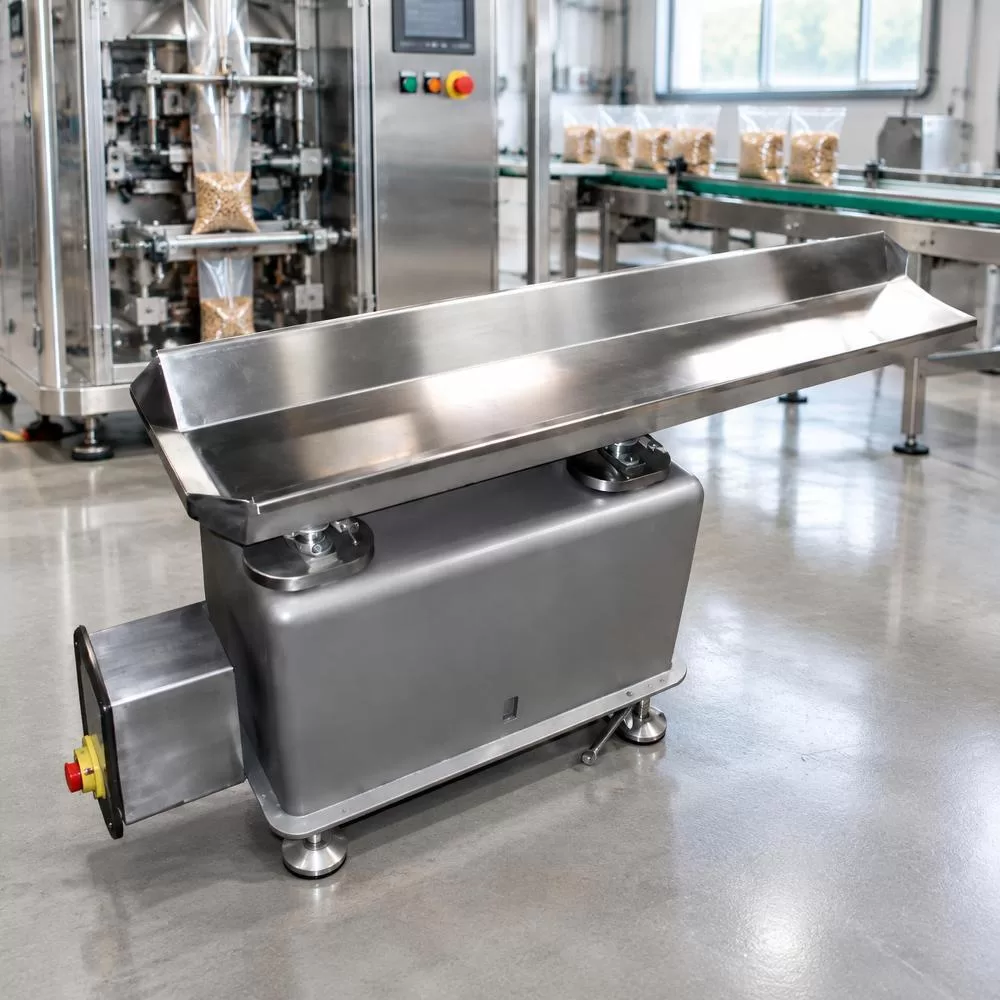
This upstream feeding setup reduces one of the most common failure points in granule packaging: inconsistent hopper fill levels causing weight variance in finished bags. A feeder that vibrates product evenly into the hopper gives the downstream vertical packaging machine a steadier material stream to work with, which in turn supports tighter weight tolerances.
Common Questions About Granule Vertical Packaging Machines
Does a vertical packaging machine need a separate weighing system?
Many setups integrate a measuring or weighing unit directly into the line ahead of the filling stage, rather than relying on the vertical machine alone to control dose accuracy. The CB-VP52A’s cup-based filling, with a maximum volume of 0.526L, works alongside such metering components for consistent fill amounts.
Can one machine handle both food and industrial granules?
Yes, provided the contact surfaces meet food-grade standards when switching between product types. A machine with 304 stainless steel construction, like this one, suits food-grade granules and can also handle hardware or industrial components without additional surface treatment, though manufacturers typically recommend dedicated runs to avoid cross-contamination between food and non-food use.
What causes crooked or misaligned bags on a packaging line?
Film tracking drift is the most frequent cause. Automatic film rectifying deviation functions, built into machines like the CB-VP52A, continuously adjust film position to prevent this before it affects bag quality.
How much floor space does this type of machine require?
At roughly 1.56 meters long and 1.16 meters wide, the CB-VP52A fits into moderate-sized production areas, though buyers should also account for upstream feeding equipment and downstream conveyors when planning floor layout.
Weighing Up the Investment
Choosing between vertical packaging machines often comes down to matching throughput needs with budget realistically, rather than chasing the highest-rated speed on a spec sheet. A machine rated for 60 bags per minute sounds appealing, but if a production line’s upstream feeding can’t sustain that pace, the rated capacity becomes a number on paper rather than a practical gain.
It helps to walk through a short decision process before committing to a specific model:
- Confirm the granule type and its flow characteristics, since abrasive or irregular granules need wider film thickness tolerance and gentler feeding mechanisms.
- Match bag size requirements against the machine’s adjustable range, checking both length and width limits against your target packaging format.
- Verify power supply compatibility, particularly for facilities choosing between single-phase and three-phase electrical setups.
- Account for upstream equipment like conveyors and feeders, since the vertical machine’s actual output depends on steady material supply.
- Review hopper capacity against your batch sizes to avoid frequent manual refilling that slows down continuous runs.
Skipping any of these steps tends to surface problems only after installation, when adjustments cost more in downtime than they would have in planning time.
Final Considerations for Buyers
A vertical packaging machine built for granules has to solve a narrower problem than general-purpose packaging equipment: keeping an inconsistent material flowing evenly through a forming tube without sacrificing bag quality or speed. Features like servo-driven film control, automatic deviation correction, and food-grade stainless construction aren’t incidental additions, they directly address the physical behavior of granular products on a production line.
For companies like us at Baopack, decades spent building automatic packaging equipment have shaped machines such as the CB-VP52A around these recurring, real-world granule handling challenges. Buyers evaluating a vertical packaging machine for granule applications should weigh bag flexibility, film handling precision, and hygienic construction together, since each addresses a distinct part of what makes granule packaging genuinely harder than packaging powders or liquids.


-
VFFS Equipment: The Ultimate Guide to Vertical Form Fill Seal Technology
13-03-2026 -
The Essential Guide to Weight Packing Machines for Precision Weighing
12-03-2026 -
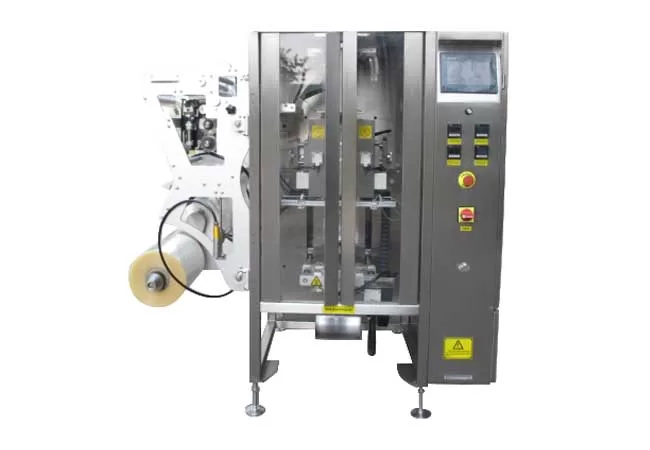
Power Packing Machine: The Ultimate Guide to Heavy-Duty Packaging Efficiency
11-03-2026 -
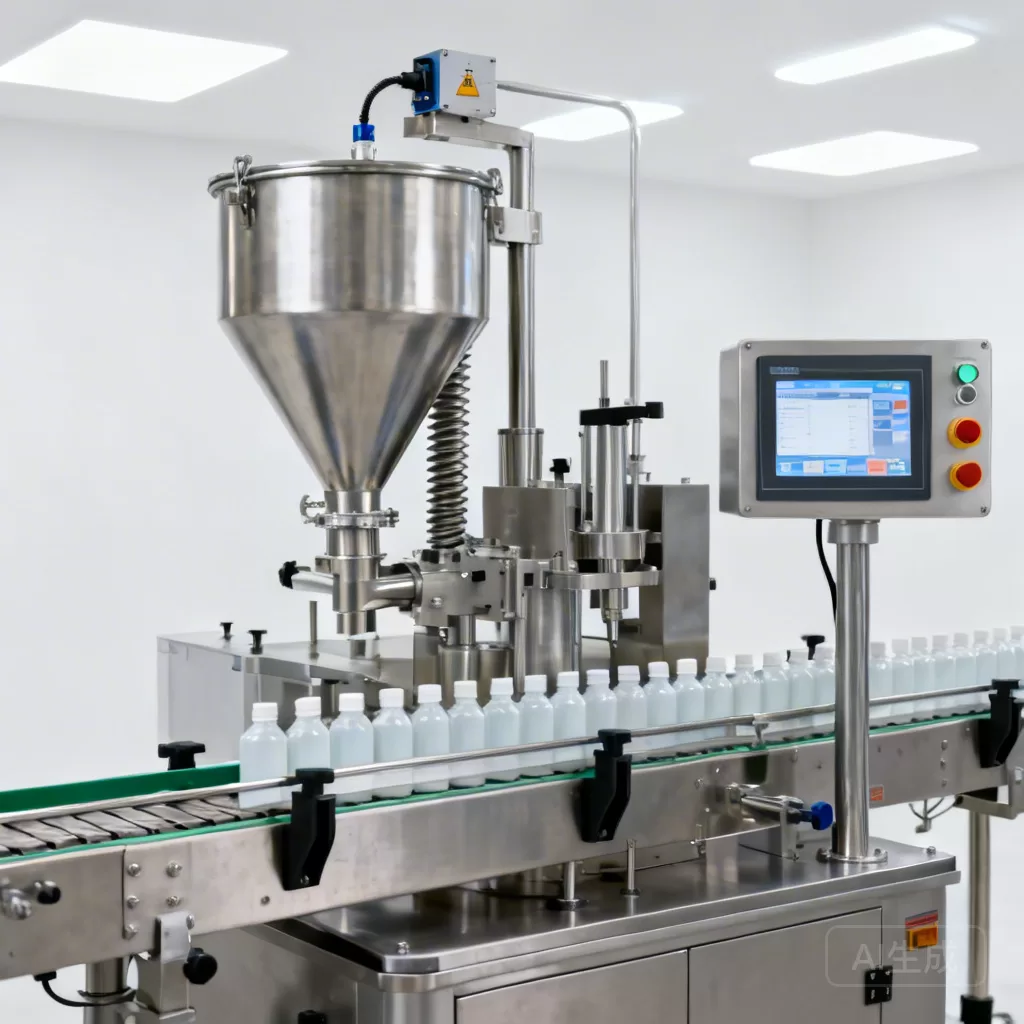
Weigher Packing Machine: The Definitive Guide to Precision Weighing & Packaging
10-03-2026 -
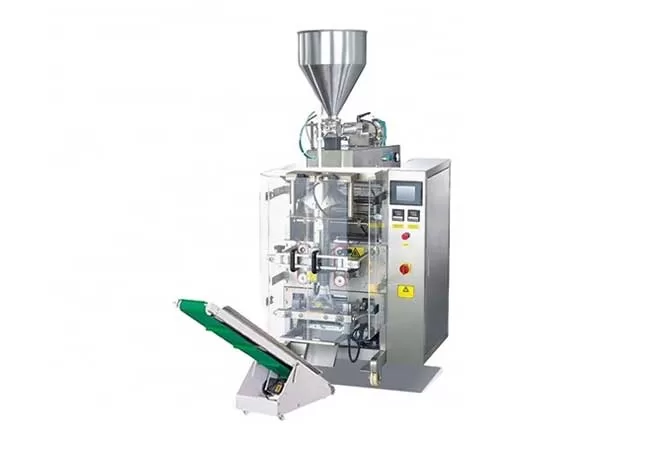
Auger Type Powder Filling Machine: The Ultimate Guide to Precision Packaging
09-03-2026 -
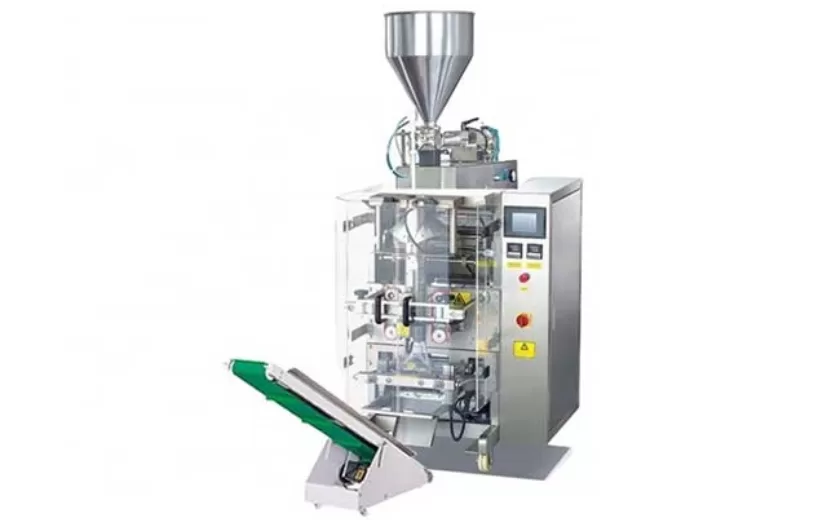
Advanced Packing Solutions: Snacks, Sugar, and Frozen Food Machines
29-10-2025 -
Efficient and Reliable Solutions for Salt, Nuts, and Frozen Dumplings Packing
29-10-2025 -
High-Performance Biscuits, Lollipop, and Ketchup Packing Machines for Modern Food Production
29-10-2025 -
Efficient Liquid Filling and Packing Machines for Modern Production
23-10-2025 -
Reliable Granule Packaging Machines for Efficient Production
23-10-2025
