
Why Understanding Product Characteristics Matters in Vertical Bagging
In the realm of packaging, the meticulous art of vertical bagging demands a deep understanding of the very products it seeks to encapsulate. Like a master chef tailoring their dishes to each ingredient’s nuances, vertical bagging specialists must apprehend the unique characteristics of their products to ensure optimal performance and preservation.
Product Density and Flowability
The density of a product, measured in pounds per cubic foot, directly influences the bagging process. Denser products, such as sugar or flour, require a stronger bag material to withstand the weight. Conversely, low-density products like shredded paper require a bag that minimizes air entrapment to prevent excessive expansion.
Flowability, or the product’s ability to move freely, is critical for efficient filling. Free-flowing products, like rice or beans, can be easily dispensed into bags. Poorly flowing products, like powders or cereals, may require additional agitation or vibration to promote a smooth flow.
Moisture Content and Sensitivity
Moisture content plays a pivotal role in vertical bagging. High-moisture products, such as fruits or vegetables, require packaging that resists moisture penetration to prevent spoilage. Moisture-sensitive products, like hygroscopic powders, demand bags with moisture barriers to maintain their integrity.
Fragility and Durability
The fragility of a product determines the handling requirements during bagging. Delicate products, such as chocolates or cookies, require careful handling to avoid breakage. Durable products, like nuts or bolts, can withstand more aggressive filling processes.
Shape and Size
Product shape and size impact bagging efficiency. Irregularly shaped products may require specialized equipment to ensure proper filling and sealing. Large products demand wider bags, while small products can be accommodated in narrower ones.
Understanding these product characteristics empowers vertical bagging specialists to:
Choose the appropriate bagging machine and materials
Calibrate filling and sealing parameters for optimal efficiency
Prevent product damage during the process
Ensure product freshness and shelf life
Meet regulatory and industry standards
By unraveling the intricacies of their products, vertical bagging specialists orchestrate a harmonious balance between packaging and contents. Their mastery not only safeguards the integrity of the goods but also optimizes the production process, ensuring a seamless transition from raw materials to ready-to-sell products.


-
VFFS Equipment: The Ultimate Guide to Vertical Form Fill Seal Technology
13-03-2026 -
The Essential Guide to Weight Packing Machines for Precision Weighing
12-03-2026 -
Power Packing Machine: The Ultimate Guide to Heavy-Duty Packaging Efficiency
11-03-2026 -
Weigher Packing Machine: The Definitive Guide to Precision Weighing & Packaging
10-03-2026 -
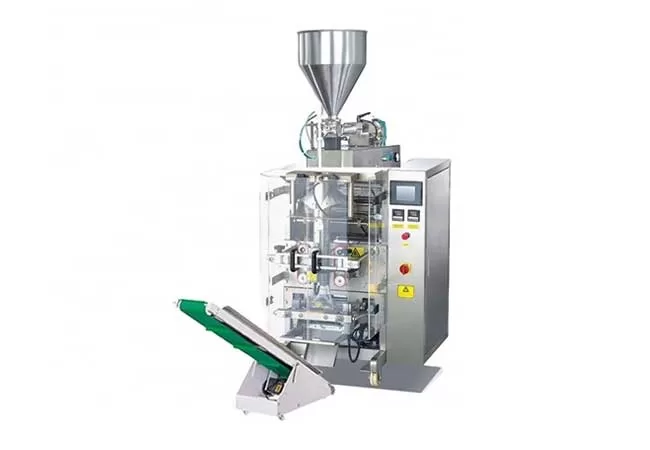
Auger Type Powder Filling Machine: The Ultimate Guide to Precision Packaging
09-03-2026 -
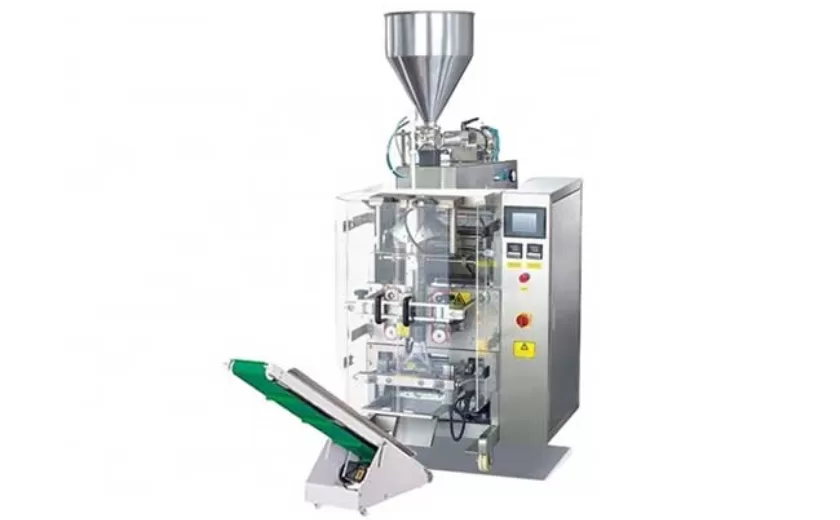
Advanced Packing Solutions: Snacks, Sugar, and Frozen Food Machines
29-10-2025 -
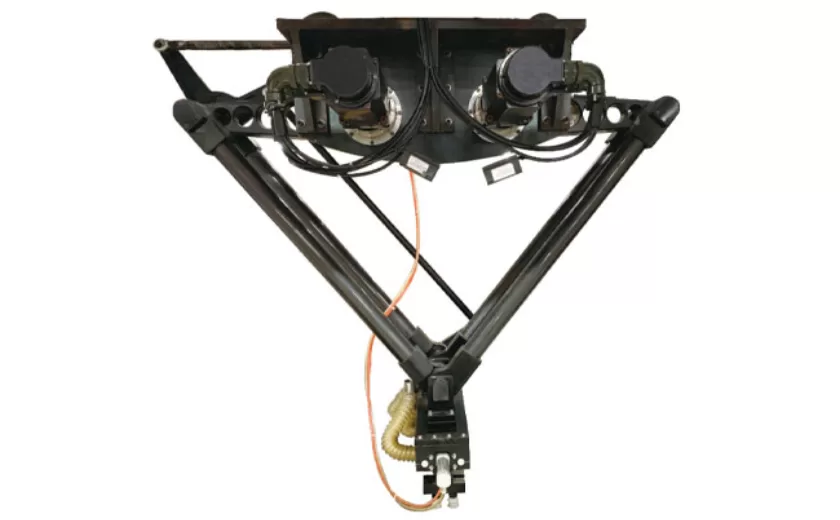
Efficient and Reliable Solutions for Salt, Nuts, and Frozen Dumplings Packing
29-10-2025 -
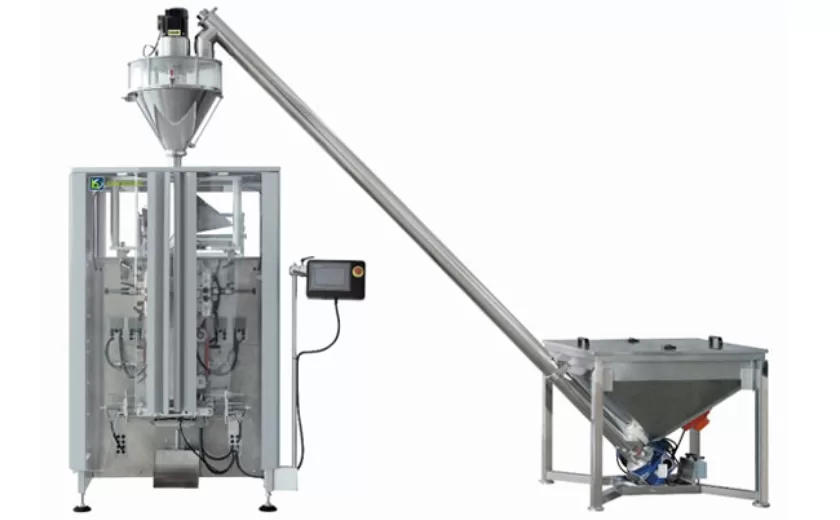
High-Performance Biscuits, Lollipop, and Ketchup Packing Machines for Modern Food Production
29-10-2025 -
Efficient Liquid Filling and Packing Machines for Modern Production
23-10-2025 -
Reliable Granule Packaging Machines for Efficient Production
23-10-2025
