
Why Understanding Product Characteristics Matters in Flow Wrapper Packaging
Flow wrapper packaging is a popular packaging method that involves wrapping products in a continuous roll of flexible film. This packaging method is often used for food, beverages, and other consumer goods. However, to ensure that flow wrapper packaging provides adequate protection and functionality, it is essential to consider the characteristics of the product being packaged.
Product Dimensions
Product dimensions are a critical consideration when selecting flow wrapper packaging. The width, height, and length of the product must be compatible with the size of the wrapper. If the product is too large or too small for the wrapper, it may not be properly sealed or may tear during packaging.
Product Shape
The shape of the product also affects the choice of flow wrapper packaging. Products with irregular or complex shapes may require custom-designed wrappers to ensure proper wrapping and sealing. Similarly, products with sharp edges or corners may require additional reinforcement to prevent punctures or tears.
Product Weight
The weight of the product is another important factor to consider. Flow wrapper packaging must be strong enough to support the weight of the product without tearing or collapsing. Heavy products may require thicker or more durable wrappers, while lightweight products may be packaged using thinner wrappers.
Product Sensitivity
Flow wrapper packaging must protect products from external factors such as moisture, oxygen, and light. The sensitivity of the product to these factors should be considered when selecting the appropriate packaging material. For example, products that are sensitive to moisture may require moisture-resistant wrappers, while products that are sensitive to light may require opaque wrappers.
Shelf Life
The shelf life of the product is also a factor to consider when selecting flow wrapper packaging. Packaging materials that provide a good barrier against oxygen and moisture can help extend the shelf life of perishable products. Additionally, the use of tamper-evident features can prevent product tampering and ensure consumer safety.
Regulatory Requirements
Flow wrapper packaging must comply with all applicable regulatory requirements. For example, packaging for food products must meet safety standards and provide accurate labeling information. Understanding the regulatory requirements for the specific product category is essential to ensure compliance and avoid potential legal issues.
Cost Considerations
Cost is always a factor to consider when selecting packaging materials. Flow wrapper packaging costs can vary depending on the size, shape, and material used. It is important to balance the cost of packaging with the protection and functionality it provides for the product.
Understanding product characteristics is crucial in selecting the most appropriate flow wrapper packaging solution. By considering factors such as product dimensions, shape, weight, sensitivity, shelf life, regulatory requirements, and cost, businesses can ensure that their products are effectively protected, marketed, and compliant with industry standards.


-
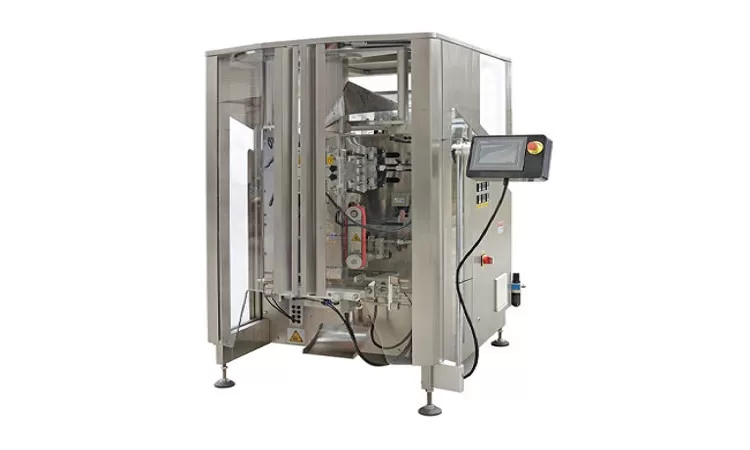
VFFS Equipment: The Ultimate Guide to Vertical Form Fill Seal Technology
13-03-2026 -
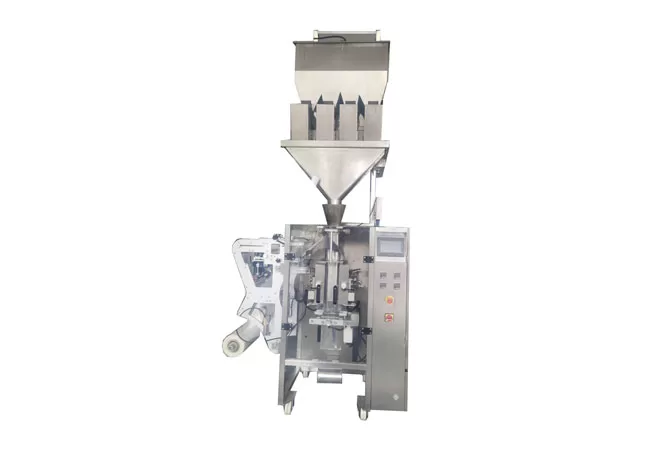
The Essential Guide to Weight Packing Machines for Precision Weighing
12-03-2026 -
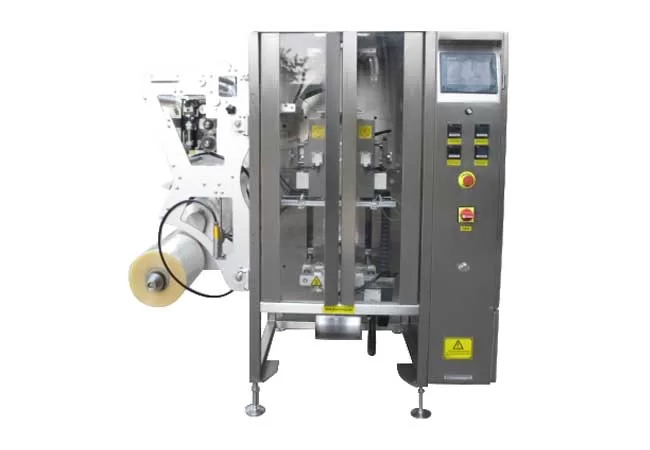
Power Packing Machine: The Ultimate Guide to Heavy-Duty Packaging Efficiency
11-03-2026 -

Weigher Packing Machine: The Definitive Guide to Precision Weighing & Packaging
10-03-2026 -
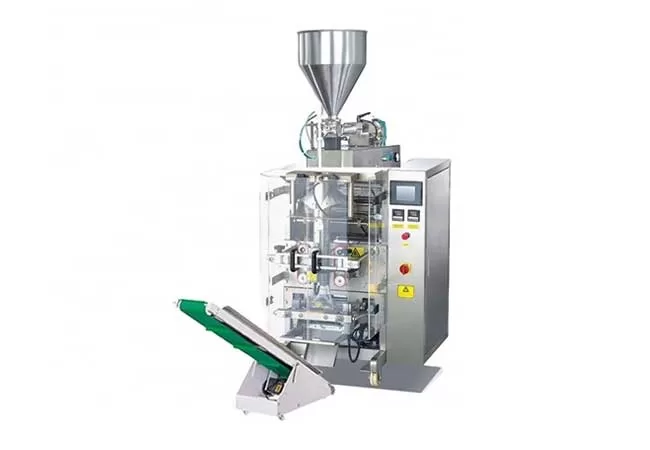
Auger Type Powder Filling Machine: The Ultimate Guide to Precision Packaging
09-03-2026 -
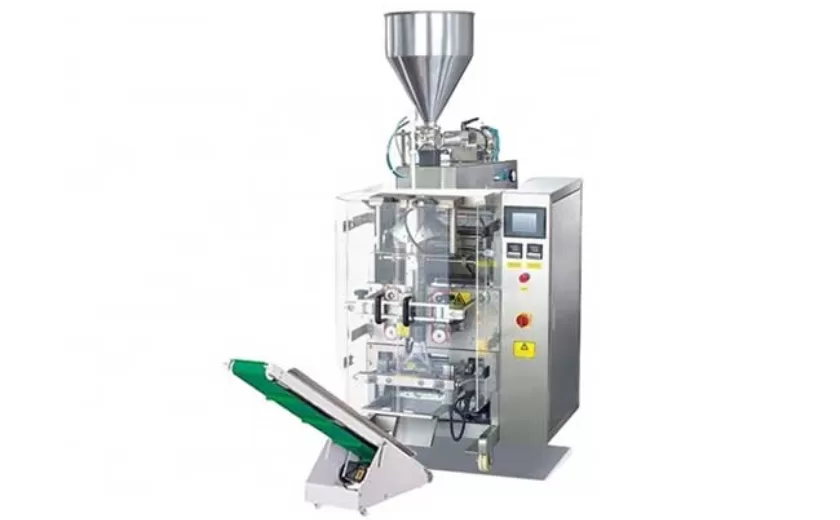
Advanced Packing Solutions: Snacks, Sugar, and Frozen Food Machines
29-10-2025 -
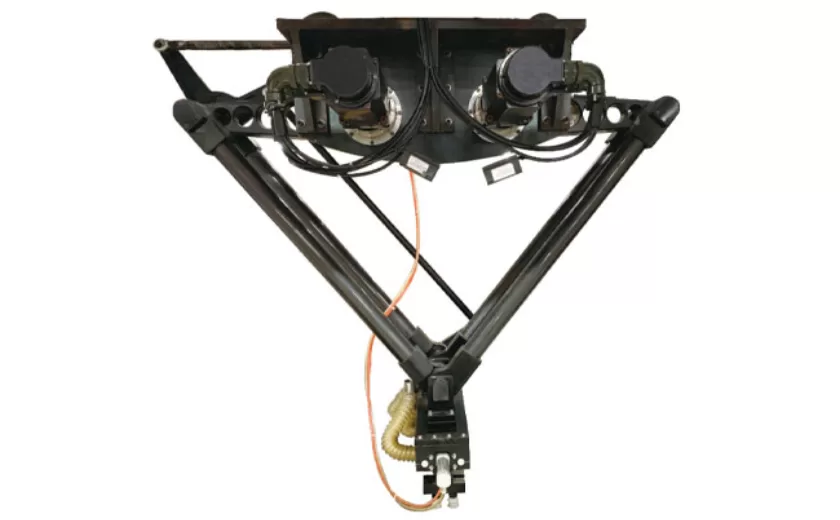
Efficient and Reliable Solutions for Salt, Nuts, and Frozen Dumplings Packing
29-10-2025 -
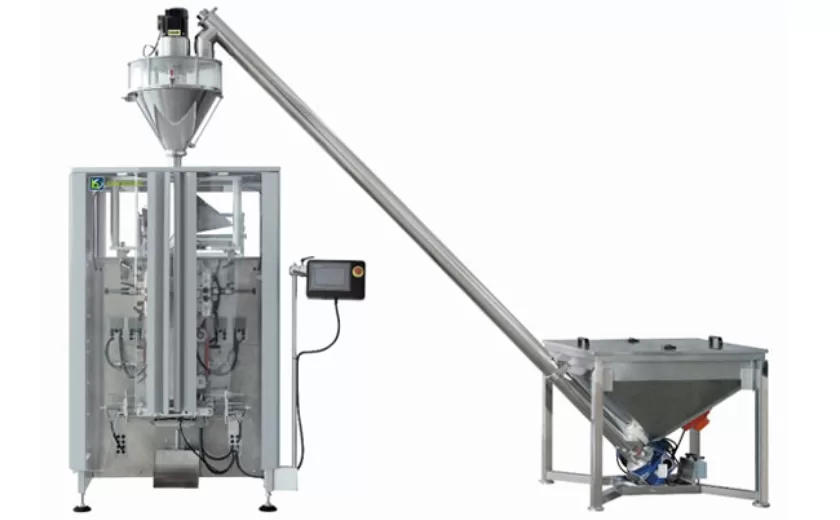
High-Performance Biscuits, Lollipop, and Ketchup Packing Machines for Modern Food Production
29-10-2025 -
Efficient Liquid Filling and Packing Machines for Modern Production
23-10-2025 -
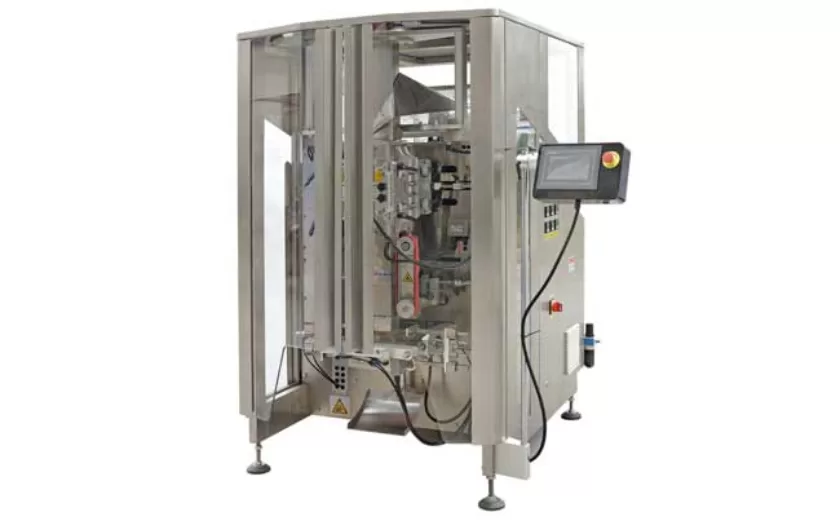
Reliable Granule Packaging Machines for Efficient Production
23-10-2025
