
Why Understanding Product Characteristics Matters in Filling Machines
Filling machines are an essential part of the packaging process for a wide range of products. They play a crucial role in ensuring the accuracy, consistency, and efficiency of filling operations. However, to achieve optimal performance, it is imperative to understand the characteristics of the product being filled. This understanding guides the selection of the appropriate filling machine and its configuration, maximizing productivity and minimizing product waste.
Viscosity and Flowability
Viscosity, a measure of a product’s resistance to flow, significantly influences the filling process. High-viscosity products, such as honey or mayonnaise, require specialized filling machines capable of applying sufficient force to dispense the product accurately. Conversely, low-viscosity products, like water or milk, flow more easily and can be handled by less demanding filling equipment.
Flowability refers to the ability of a product to move smoothly through the filling nozzle. Products with poor flowability, such as chunky sauces or granular powders, may require additional processing steps, such as mixing or pre-conditioning, to improve their flow characteristics. Neglecting the flowability aspect can lead to uneven filling, nozzle clogging, and product waste.
Density and Temperature
Density, the mass per unit volume of a product, affects the accuracy of volumetric filling systems. Dense products, like certain oils or heavy sauces, require precise measurement to avoid overfilling or underfilling containers. Temperature also plays a role, as changes in temperature can alter the product’s density and flowability. Ensuring consistent product temperature is crucial for maintaining filling accuracy and minimizing variability.
Foaming and Degassing
Products that tend to foam during filling, such as carbonated beverages or whipped cream, require special filling techniques to prevent excessive air incorporation. Degassing systems or anti-foaming agents may be necessary to remove air bubbles and ensure consistent fill levels. Neglecting to address foaming issues can lead to inaccurate filling, product spillage, and reduced shelf life.
Particle Size and Shape
For products with particles, such as granulated sugar or diced vegetables, particle size and shape affect the filling process. Larger particles may require wider nozzles, while oddly shaped particles can cause bridging or jamming in the filling system. Understanding the particle characteristics allows for the selection of filling machines with appropriate nozzle designs and feeding mechanisms to minimize product damage and ensure smooth flow.
Understanding the characteristics of the product to be filled is crucial for optimizing filling machine performance. By considering factors such as viscosity, flowability, density, temperature, foaming, and particle properties, manufacturers can make informed decisions about filling equipment and configurations. This understanding not only ensures accurate and efficient filling operations but also minimizes product waste and enhances overall packaging quality.


-
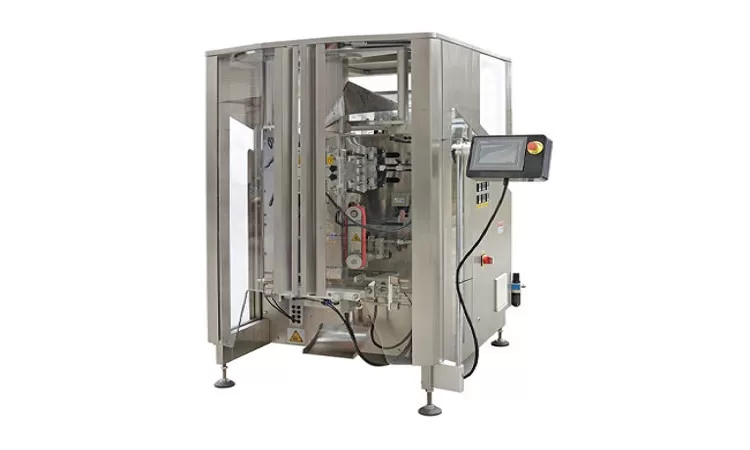
VFFS Equipment: The Ultimate Guide to Vertical Form Fill Seal Technology
13-03-2026 -
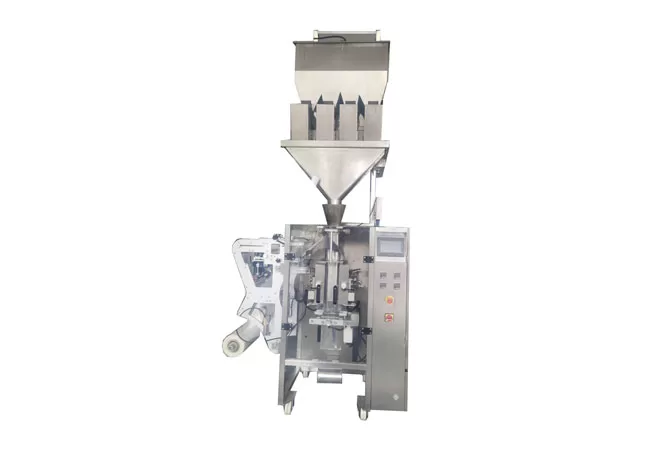
The Essential Guide to Weight Packing Machines for Precision Weighing
12-03-2026 -
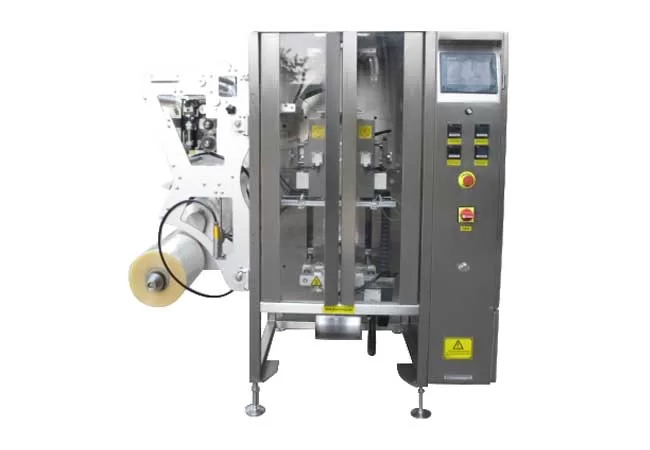
Power Packing Machine: The Ultimate Guide to Heavy-Duty Packaging Efficiency
11-03-2026 -
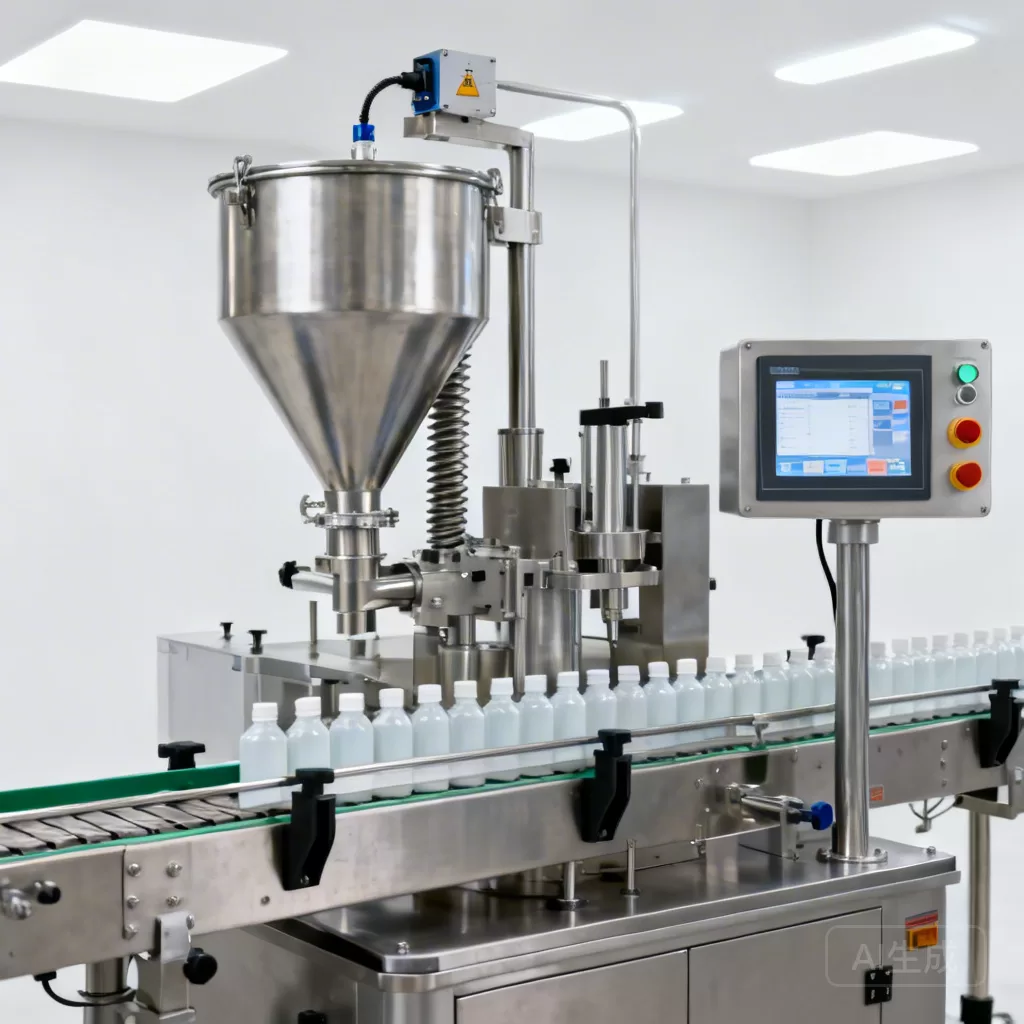
Weigher Packing Machine: The Definitive Guide to Precision Weighing & Packaging
10-03-2026 -
Auger Type Powder Filling Machine: The Ultimate Guide to Precision Packaging
09-03-2026 -
Advanced Packing Solutions: Snacks, Sugar, and Frozen Food Machines
29-10-2025 -
Efficient and Reliable Solutions for Salt, Nuts, and Frozen Dumplings Packing
29-10-2025 -
High-Performance Biscuits, Lollipop, and Ketchup Packing Machines for Modern Food Production
29-10-2025 -
Efficient Liquid Filling and Packing Machines for Modern Production
23-10-2025 -
Reliable Granule Packaging Machines for Efficient Production
23-10-2025
