
Why Quality Control Is Essential in Multihead Weighing Processes
In the fast-paced world of manufacturing, where precision and efficiency are paramount, the role of quality control takes center stage. Multihead weighing processes, often employed in industries such as food processing and pharmaceutical packaging, demand meticulous attention to quality to ensure the accuracy, consistency, and safety of products.
Ensuring Product Precision
Multihead weighers are automated machines that dispense precise amounts of products into containers. Strict quality control measures are crucial in maintaining the accuracy of these weighers. Deviations from predetermined weight targets can lead to over- or underweight packages, resulting in customer dissatisfaction, recalls, and potential legal liabilities.
Safeguarding Consumer Health
In industries like pharmaceuticals, product consistency and accuracy are directly linked to patient safety. Accurate weighing ensures that the correct dosage is dispensed, reducing the risk of overdosing or underdosing. Stringent quality control protocols help detect and eliminate any potential errors, ensuring the safety and efficacy of medical products.
Optimizing Efficiency and Minimizing Waste
Precision weighing optimizes production efficiency by reducing waste and maximizing product yield. When weighers operate within acceptable tolerances, there is less product giveaway due to overweighing. Additionally, efficient weighing systems minimize the need for manual inspection, saving time and resources.
Enhancing Brand Reputation
Consistent, high-quality products are essential for building and maintaining a strong brand reputation. Customers expect reliability and accuracy from the products they purchase. Companies that implement robust quality control measures in their multihead weighing processes demonstrate their commitment to delivering customer satisfaction, fostering brand loyalty.
Compliance with Regulations
In many industries, compliance with government regulations is mandatory. Quality control measures help ensure that manufacturers meet industry standards and avoid costly fines or penalties for non-compliance. By adhering to Good Manufacturing Practices (GMP) or other regulatory frameworks, companies minimize the risk of regulatory action and protect their reputation.
Advanced Quality Control Technologies
Modern multihead weighing systems incorporate advanced quality control technologies to enhance accuracy and efficiency. These technologies include:
Machine vision systems: Inspect products for defects before weighing.
Checkweighers: Verify the weight of packaged products after filling.
Data collection and analysis: Track and analyze weighing data to identify trends and optimize performance.
Quality control is the cornerstone of multihead weighing processes, ensuring the precision, consistency, safety, efficiency, and regulatory compliance of products. By implementing rigorous quality control measures, manufacturers can mitigate risks, optimize production, and deliver high-quality products that meet customer expectations. Ultimately, effective quality control is not merely a cost-cutting measure but an investment in the integrity and reputation of a company and its products.


-
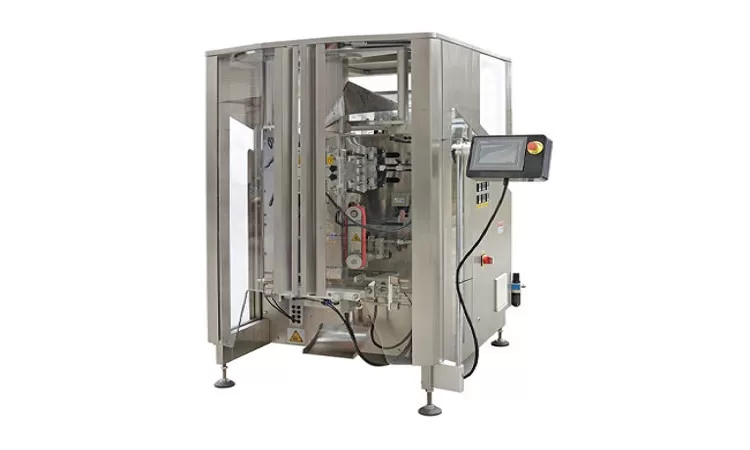
VFFS Equipment: The Ultimate Guide to Vertical Form Fill Seal Technology
13-03-2026 -
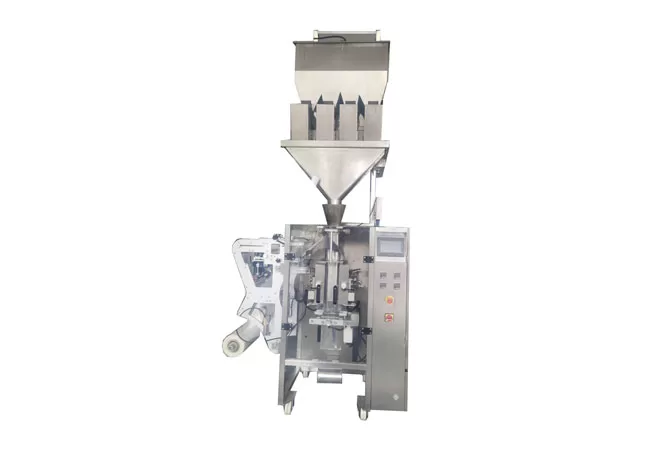
The Essential Guide to Weight Packing Machines for Precision Weighing
12-03-2026 -
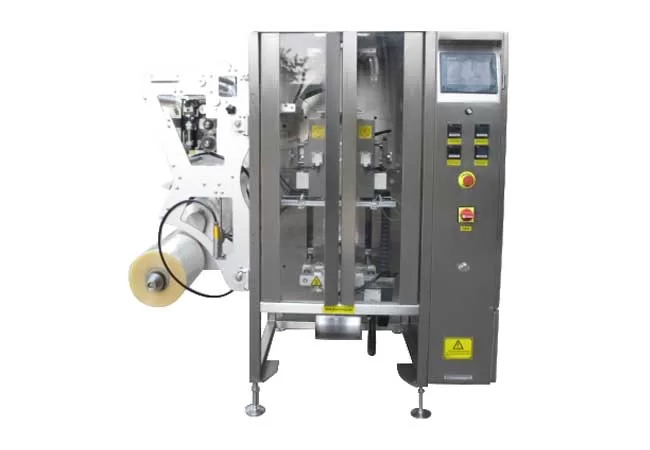
Power Packing Machine: The Ultimate Guide to Heavy-Duty Packaging Efficiency
11-03-2026 -
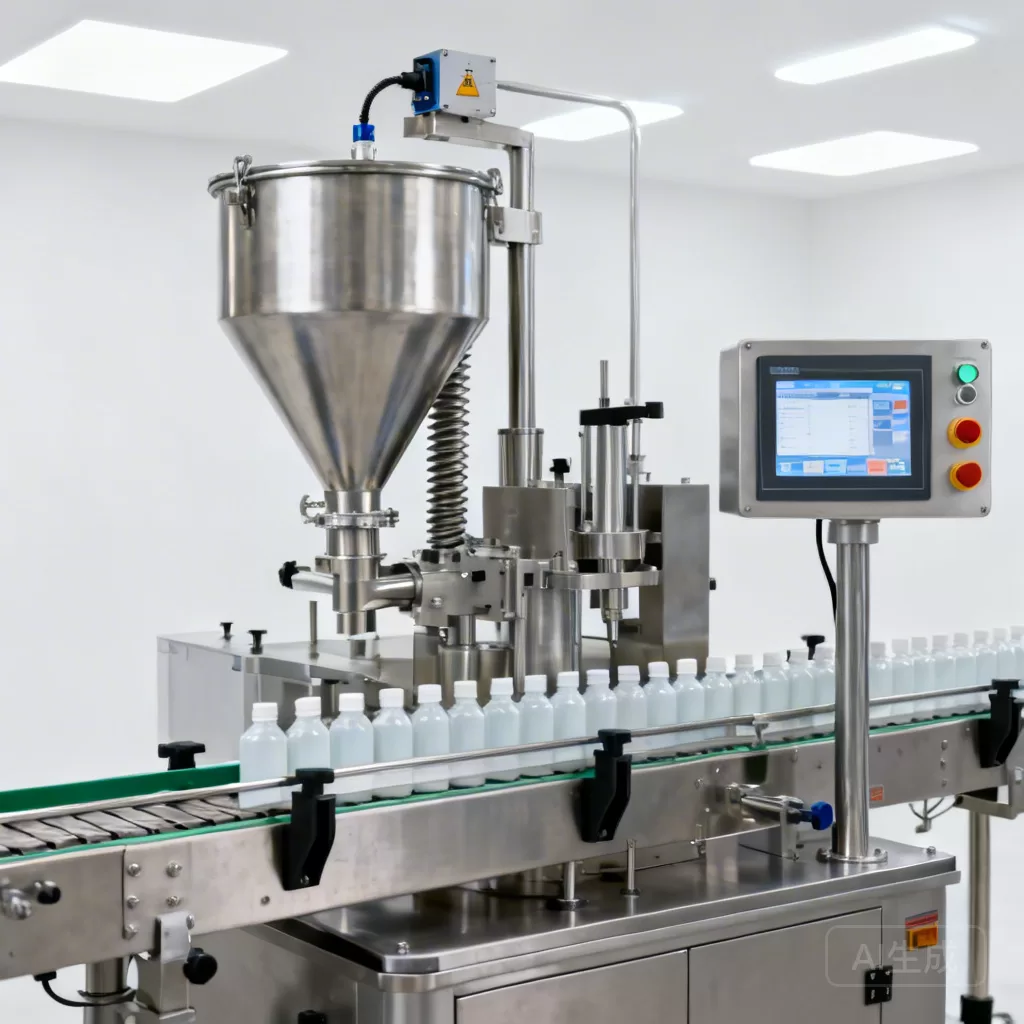
Weigher Packing Machine: The Definitive Guide to Precision Weighing & Packaging
10-03-2026 -
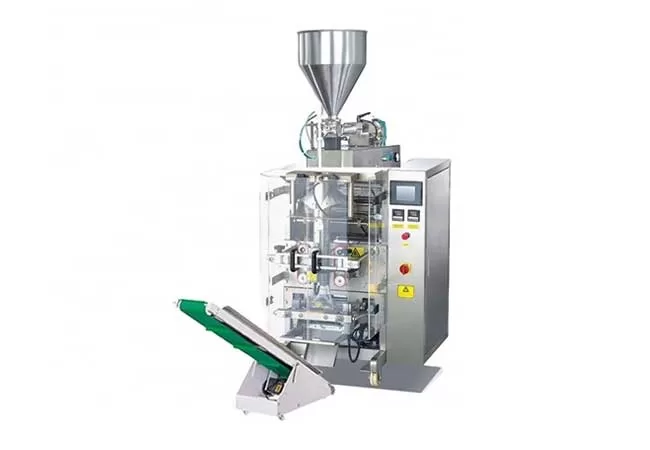
Auger Type Powder Filling Machine: The Ultimate Guide to Precision Packaging
09-03-2026 -
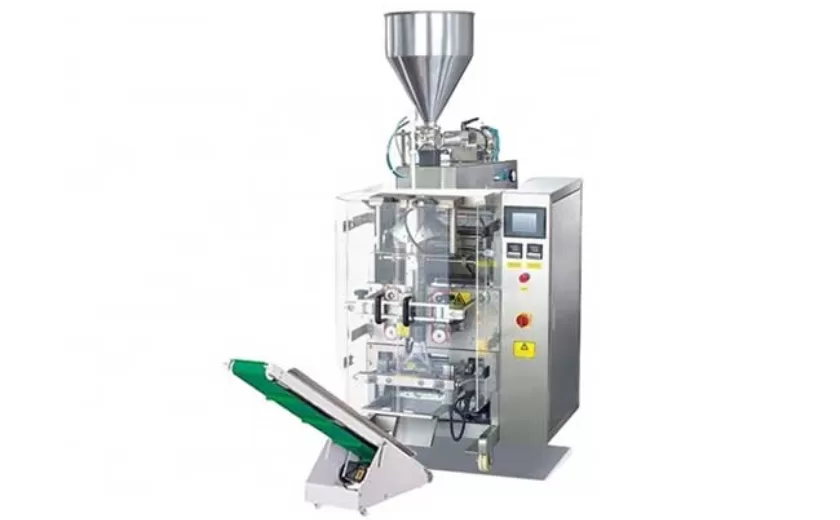
Advanced Packing Solutions: Snacks, Sugar, and Frozen Food Machines
29-10-2025 -
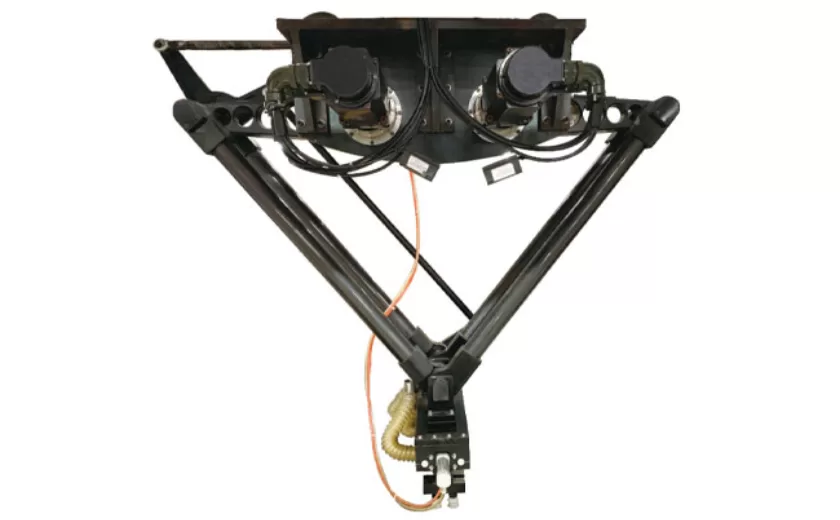
Efficient and Reliable Solutions for Salt, Nuts, and Frozen Dumplings Packing
29-10-2025 -
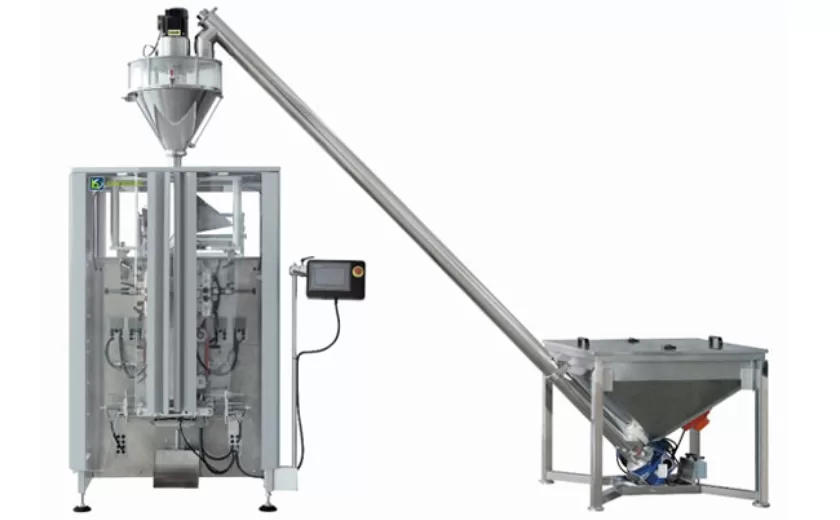
High-Performance Biscuits, Lollipop, and Ketchup Packing Machines for Modern Food Production
29-10-2025 -
Efficient Liquid Filling and Packing Machines for Modern Production
23-10-2025 -
Reliable Granule Packaging Machines for Efficient Production
23-10-2025
