
Why Quality Control Is Essential in Horizontal Flow Wrap Operations
In the labyrinth of automated production lines, quality control stands as a vigilant sentinel, ensuring that the products flowing down the conveyor belts meet impeccable standards. This is especially crucial in the fast-paced world of horizontal flow wrap operations, where even the slightest deviation from perfection can lead to dire consequences.
Horizontal flow wrappers churn out a relentless stream of packaged goods, from snack foods and pharmaceuticals to electronics and industrial components. Each package must be sealed flawlessly, with precise alignment, optimal tightness, and an attractive appearance. Falling short on any of these fronts can compromise product safety, consumer trust, and overall profitability.
Quality control plays a pivotal role in safeguarding the integrity of these packages. It involves meticulous inspections at every stage of the wrapping process, from the incoming raw materials to the finished products. This multilayered approach includes:
Material Verification: Ensuring that the packaging materials, such as film and labels, meet the specified standards for thickness, strength, and durability.
Machine Monitoring: Continuously monitoring the wrapping machines to detect any mechanical issues or deviations in operating parameters that could affect package quality.
Environmental Control: Regulating temperature, humidity, and other environmental factors that can impact the sealing process and package integrity.
Visual Inspection: Conducting manual or automated visual checks on the finished packages to identify any defects, such as punctures, tears, misalignments, or cosmetic flaws.
Statistical Process Control: Using statistical tools to analyze production data and identify trends that may indicate potential quality issues or areas for improvement.
By adhering to these quality control measures, horizontal flow wrap operations can minimize the risk of producing defective or substandard products. This, in turn, enhances consumer confidence, reduces recalls and returns, and safeguards the reputation of the business.
Moreover, quality control promotes operational efficiency and profitability. By identifying and correcting quality issues early on, manufacturers can avoid costly rework, scrap, and production downtime. This translates into increased productivity, lower operating costs, and a higher return on investment.
Quality control is the linchpin of successful horizontal flow wrap operations. By diligently monitoring and maintaining quality at every stage, manufacturers can ensure that their products meet the highest standards, protect their brand reputation, and maximize profitability. In an increasingly competitive marketplace, quality is not merely an option; it’s an imperative.


-
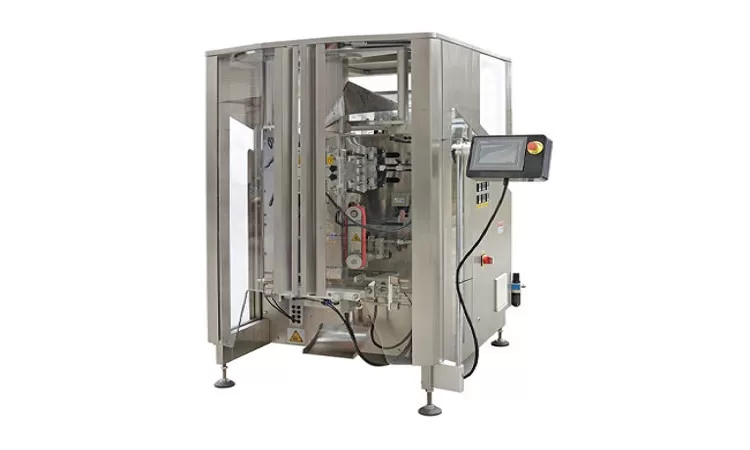
VFFS Equipment: The Ultimate Guide to Vertical Form Fill Seal Technology
13-03-2026 -
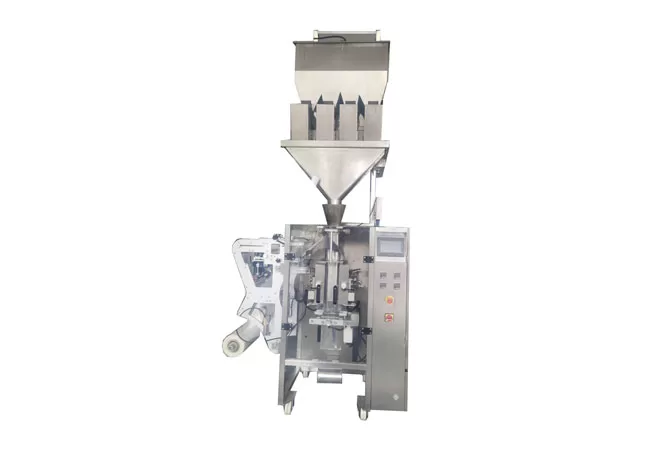
The Essential Guide to Weight Packing Machines for Precision Weighing
12-03-2026 -
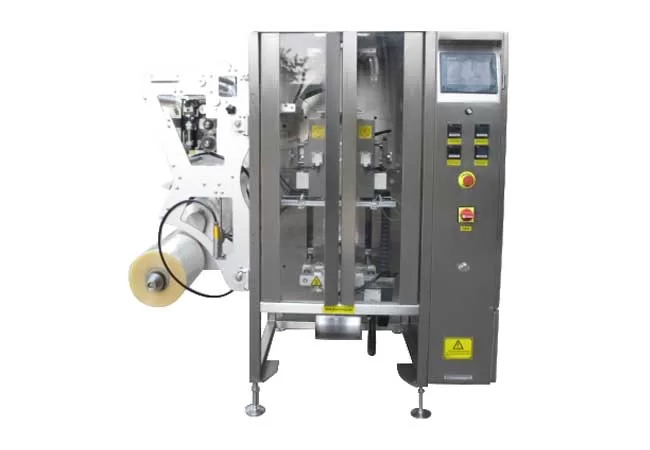
Power Packing Machine: The Ultimate Guide to Heavy-Duty Packaging Efficiency
11-03-2026 -
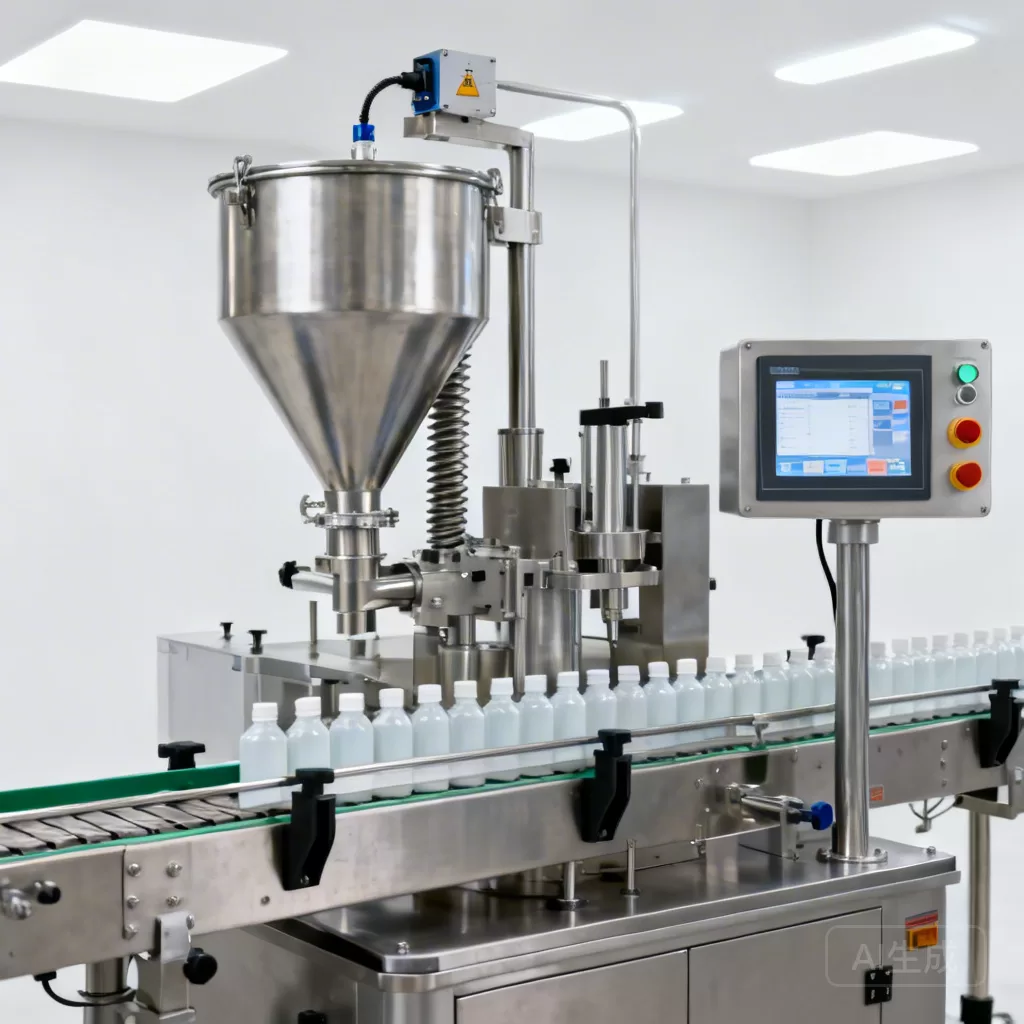
Weigher Packing Machine: The Definitive Guide to Precision Weighing & Packaging
10-03-2026 -
Auger Type Powder Filling Machine: The Ultimate Guide to Precision Packaging
09-03-2026 -
Advanced Packing Solutions: Snacks, Sugar, and Frozen Food Machines
29-10-2025 -
Efficient and Reliable Solutions for Salt, Nuts, and Frozen Dumplings Packing
29-10-2025 -
High-Performance Biscuits, Lollipop, and Ketchup Packing Machines for Modern Food Production
29-10-2025 -
Efficient Liquid Filling and Packing Machines for Modern Production
23-10-2025 -
Reliable Granule Packaging Machines for Efficient Production
23-10-2025
