
Why Hygiene Standards Are Critical in Multihead Weighing Processes
Multihead weighing machines are essential for a wide range of industries, from food processing to pharmaceutical manufacturing. These machines accurately and efficiently weigh and package products, ensuring product quality and consistency. However, it is paramount to maintain strict hygiene standards during multihead weighing processes to guarantee product safety and prevent contamination.
Contamination Prevention
One of the primary reasons for adhering to hygiene standards is to prevent contamination of products. Multihead weighing machines handle food products directly, and any unsanitary conditions can lead to microbial growth and product spoilage. Contaminants such as bacteria, viruses, or allergens can be introduced through direct contact with unsanitary surfaces, equipment, or personnel. Maintaining proper hygiene practices, including regular cleaning and sanitization, minimizes the risk of contamination, ensuring the safety and quality of the products.
Cross-Contamination Avoidance
Another critical aspect of hygiene standards is preventing cross-contamination. Multihead weighing machines often handle multiple products, increasing the risk of different products contaminating each other. Failure to maintain proper hygiene can allow allergens or other undesirable substances to transfer from one product to another, potentially causing allergic reactions or product recalls. By adhering to strict hygiene protocols, such as thorough cleaning and segregation of products, cross-contamination is prevented, ensuring product safety and consumer confidence.
Product Quality and Consistency
Maintaining hygiene standards also contributes to the overall quality and consistency of products. Unsanitary conditions can lead to product degradation, affecting its taste, appearance, and shelf life. Contaminants or improper handling can compromise the integrity of the product, reducing its value and potentially posing health risks to consumers. By following hygiene guidelines, manufacturers can ensure that products meet quality standards, maintain consistency, and minimize the risk of product spoilage.
Food Safety Compliance
Adhering to hygiene standards is essential for food safety compliance. Regulatory agencies worldwide have established strict regulations governing food safety, and manufacturers must comply with these requirements to maintain their operations. Hygiene standards cover aspects such as equipment maintenance, personnel hygiene, and cleaning and sanitization procedures. By meeting these standards, manufacturers demonstrate their commitment to food safety, protect consumers from potential health hazards, and maintain their reputation in the industry.
Efficient Production and Reduced Downtime
Substandard hygiene can lead to increased downtime and reduced production efficiency. Contaminations, breakdowns, or product recalls akibat poor hygiene can disrupt production schedules and result in lost time and revenue. Implementing and maintaining proper hygiene standards minimizes these risks, ensuring smooth operation, reducing downtime, and maximizing productivity.
Equipment Maintenance
Maintaining hygiene standards also extends to equipment maintenance. Keeping equipment clean and sanitized helps prevent breakdowns and extend its lifespan. Regular cleaning and lubrication reduce wear and tear, improving equipment reliability and reducing maintenance costs. By prioritizing hygiene, manufacturers can enhance equipment performance, optimize production, and minimize the need for costly repairs or replacements.
Hygiene standards are critical in multihead weighing processes for several reasons. They prevent contamination, avoid cross-contamination, ensure product quality, facilitate food safety compliance, and promote efficient production. By adhering to strict hygiene protocols, manufacturers can safeguard product safety, meet regulatory requirements, enhance equipment performance, and ultimately deliver high-quality products to consumers.


-
VFFS Equipment: The Ultimate Guide to Vertical Form Fill Seal Technology
13-03-2026 -
The Essential Guide to Weight Packing Machines for Precision Weighing
12-03-2026 -
Power Packing Machine: The Ultimate Guide to Heavy-Duty Packaging Efficiency
11-03-2026 -
Weigher Packing Machine: The Definitive Guide to Precision Weighing & Packaging
10-03-2026 -
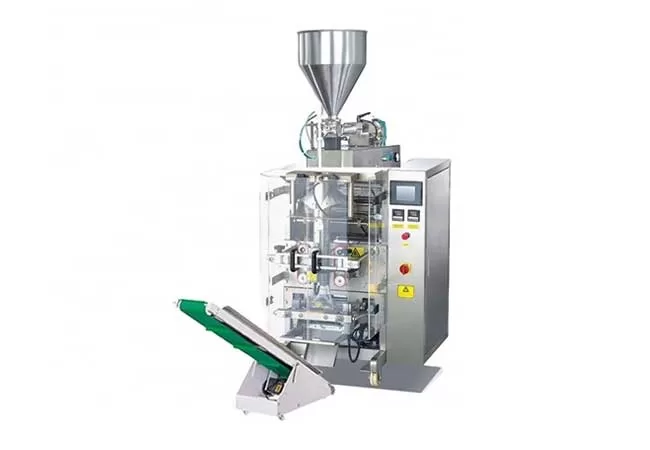
Auger Type Powder Filling Machine: The Ultimate Guide to Precision Packaging
09-03-2026 -
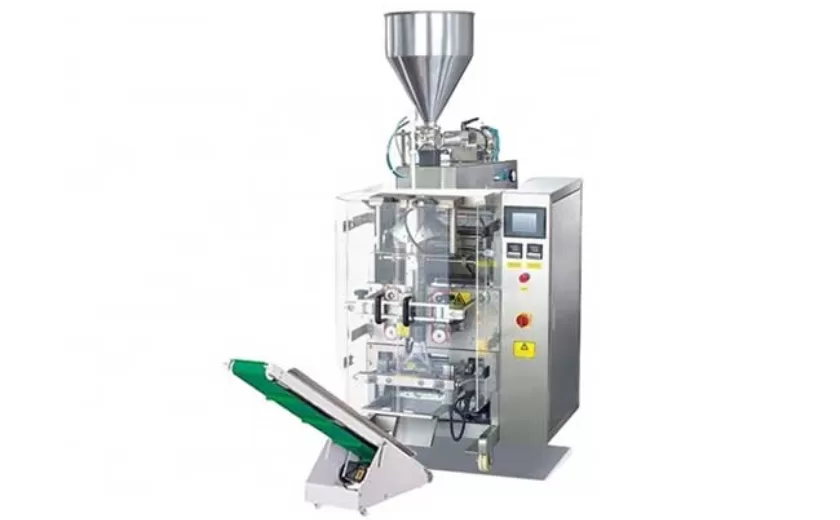
Advanced Packing Solutions: Snacks, Sugar, and Frozen Food Machines
29-10-2025 -
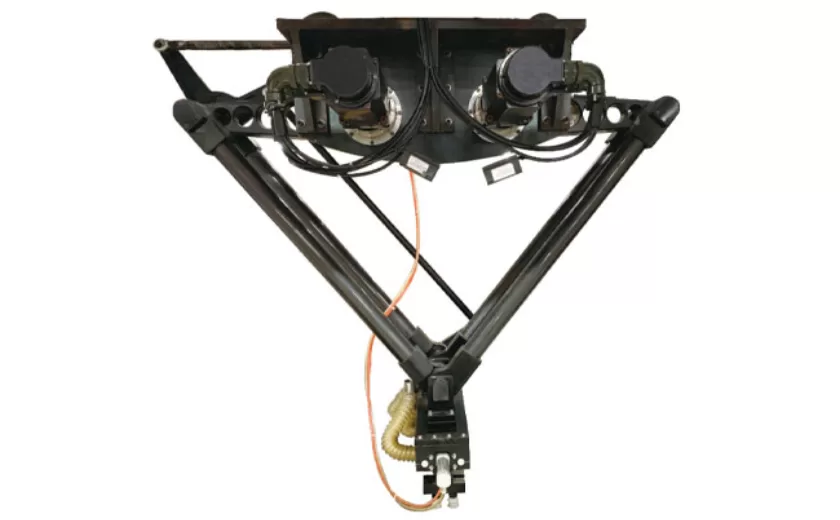
Efficient and Reliable Solutions for Salt, Nuts, and Frozen Dumplings Packing
29-10-2025 -
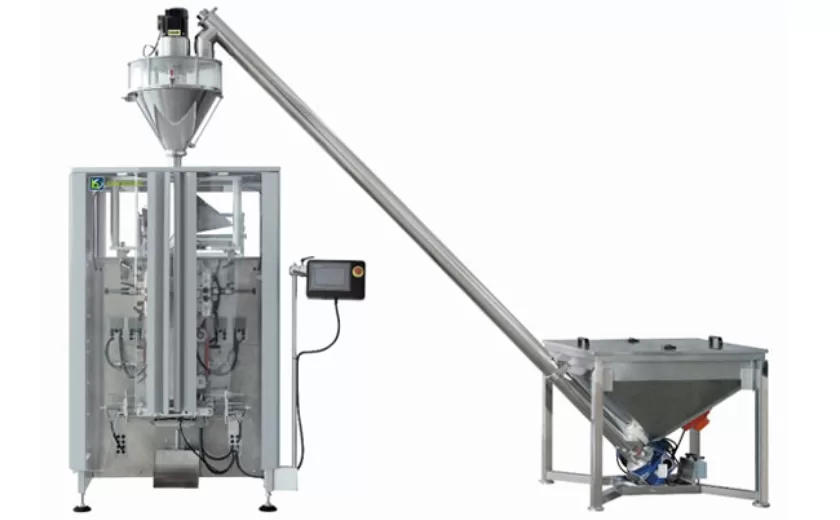
High-Performance Biscuits, Lollipop, and Ketchup Packing Machines for Modern Food Production
29-10-2025 -
Efficient Liquid Filling and Packing Machines for Modern Production
23-10-2025 -
Reliable Granule Packaging Machines for Efficient Production
23-10-2025
