
Why Automating Your Packaging Process Can Save Time and Costs
In today’s fast-paced business environment, every second and every penny count. Automating your packaging process can be a game-changer for businesses looking to streamline operations, reduce costs, and enhance productivity. Here are some compelling reasons why automating your packaging process is a wise investment:
Increased Efficiency
Automation eliminates manual tasks, freeing up employees to focus on more value-added activities. Automated systems can handle repetitive and time-consuming tasks with precision and speed, significantly increasing overall packaging efficiency. This leads to faster order fulfillment and shorter turnaround times, enabling businesses to meet customer demands more promptly.
Improved Accuracy
Manual packaging is prone to errors, leading to product damage, lost inventory, and customer dissatisfaction. Automated systems, on the other hand, follow pre-defined parameters to ensure consistent and accurate packaging dimensions, labeling, and sealing. This reduces the risk of errors and minimizes the need for quality control measures, saving time and money in the long run.
Reduced Labor Costs
Labor costs represent a significant portion of packaging expenses. Automating the packaging process significantly reduces the need for manual labor, freeing up employees for other tasks that require human expertise. This can lead to substantial savings on payroll costs, allowing businesses to allocate funds to other areas of operation.
Enhanced Productivity
Automated packaging systems can operate continuously without breaks or fatigue, maximizing productivity levels. They can handle large volumes of products consistently and efficiently, increasing the overall throughput and allowing businesses to fulfill more orders within the same timeframe. This translates into higher production rates and increased profits.
Reduced Material Waste
Manual packaging often involves estimating material usage, resulting in overpacking or underpacking. Automated systems, however, utilize advanced algorithms to determine the optimal amount of packaging material required for each product. This minimizes material waste, saving costs on cardboard, plastic, and other consumables.
Improved Safety
Manual packaging can pose safety risks for employees, particularly when handling heavy materials or sharp objects. Automated systems eliminate these risks by performing tasks in a controlled and isolated environment. This enhances employee safety, reduces the likelihood of injuries, and creates a healthier work environment.
Scalability and Flexibility
Automated packaging systems can be easily scaled to meet changing production demands. They can seamlessly handle increased order volumes during peak seasons or accommodate new product lines. Additionally, these systems offer flexibility in terms of product size, shape, and packaging configurations, allowing businesses to adapt to evolving market requirements.
Environmental Sustainability
Automating the packaging process can contribute to environmental sustainability by reducing material waste and energy consumption. Automated systems optimize packaging materials, eliminate excess packaging, and can be integrated with energy-efficient technologies to minimize the environmental footprint of the packaging process.
By automating their packaging processes, businesses can reap numerous benefits that positively impact time and costs. Increased efficiency, improved accuracy, reduced labor costs, enhanced productivity, reduced material waste, improved safety, scalability, flexibility, and environmental sustainability make automation a compelling choice for businesses seeking to optimize their operations and stay competitive in today’s demanding market.


-
VFFS Equipment: The Ultimate Guide to Vertical Form Fill Seal Technology
13-03-2026 -
The Essential Guide to Weight Packing Machines for Precision Weighing
12-03-2026 -
Power Packing Machine: The Ultimate Guide to Heavy-Duty Packaging Efficiency
11-03-2026 -
Weigher Packing Machine: The Definitive Guide to Precision Weighing & Packaging
10-03-2026 -
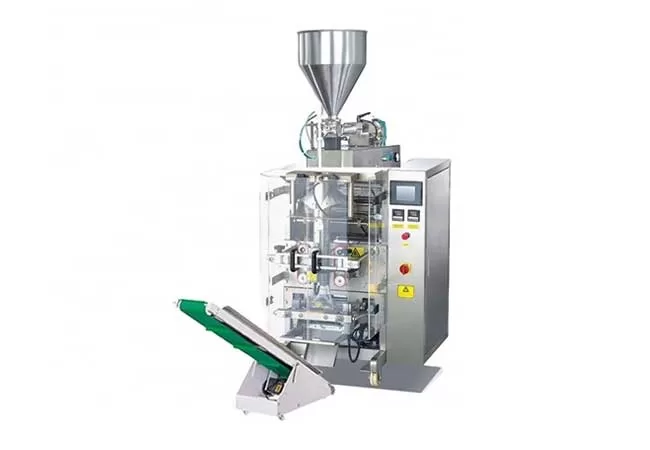
Auger Type Powder Filling Machine: The Ultimate Guide to Precision Packaging
09-03-2026 -
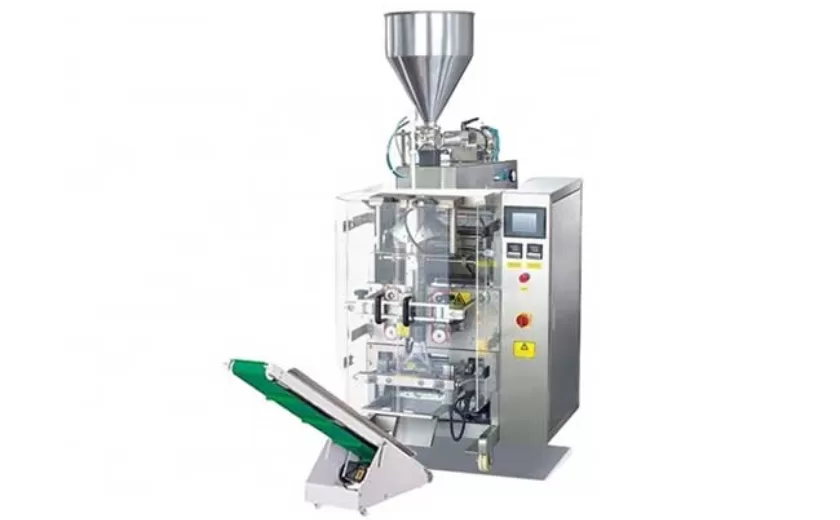
Advanced Packing Solutions: Snacks, Sugar, and Frozen Food Machines
29-10-2025 -
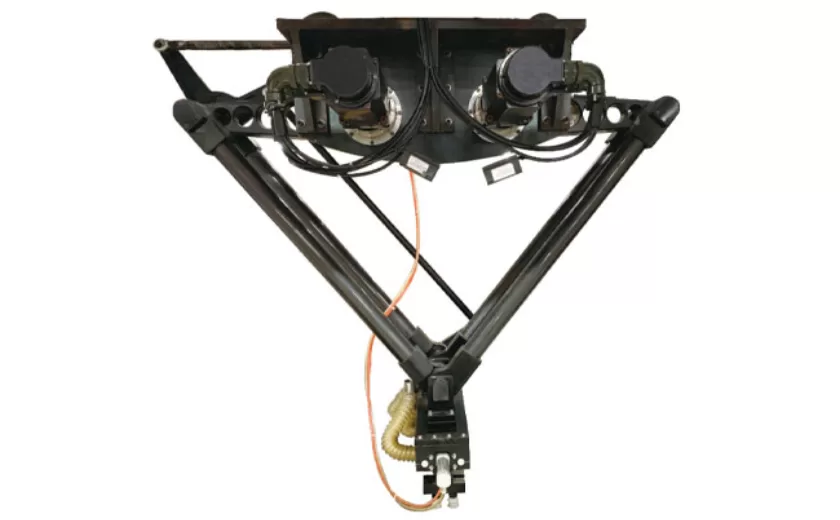
Efficient and Reliable Solutions for Salt, Nuts, and Frozen Dumplings Packing
29-10-2025 -
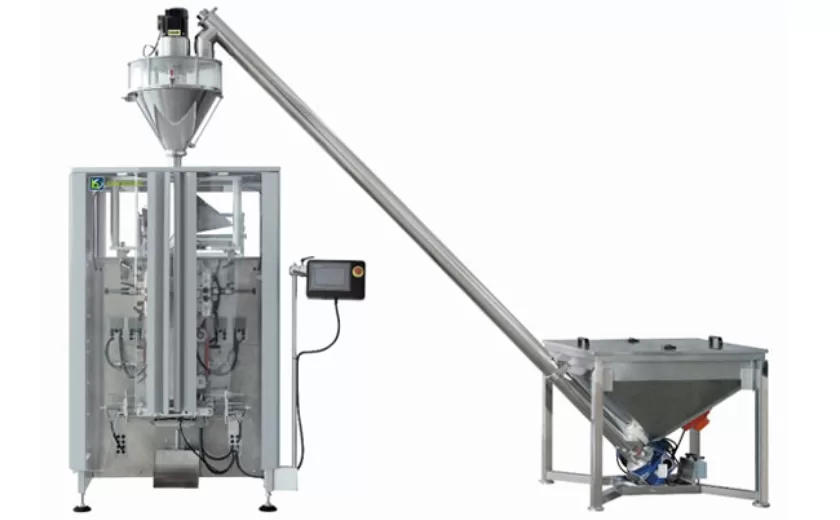
High-Performance Biscuits, Lollipop, and Ketchup Packing Machines for Modern Food Production
29-10-2025 -
Efficient Liquid Filling and Packing Machines for Modern Production
23-10-2025 -
Reliable Granule Packaging Machines for Efficient Production
23-10-2025
