
When to Use Weighing vs. Volumetric Filling for Granules
Weighing vs. Volumetric Filling for Granules: Choosing the Right Method
When filling containers with granules, two primary methods can be employed: weighing and volumetric filling. Each approach has its advantages and disadvantages, and the choice between the two depends on the specific requirements of the application. This article delves into the key considerations when selecting weighing or volumetric filling for granules.
Weighing
Principle
Weighing involves measuring the mass of granules using a load cell or weighing scale. The machine dispenses granules into the container until the desired weight is achieved.
Advantages
High Accuracy: Weighing provides precise and consistent filling, ensuring accurate dosage control.
Suitable for Dense Products: Weighing is ideal for granules with high density, as it can accurately determine their weight regardless of their volume.
Compensation for Density Variations: Weighing can adjust for variations in granule density, ensuring accurate filling even when the product’s characteristics change.
Volumetric Filling
Principle
Volumetric filling measures the volume of granules by filling a container to a predetermined level. The machine dispenses granules until the container is filled to the desired volume.
Advantages
High Speed: Volumetric filling is generally faster than weighing, as it does not require the time-consuming process of weighing each granule.
Suitable for Low-Density Products: Volumetric filling is suitable for granules with low density, as it can accurately determine their volume.
Simple and Cost-Effective: Volumetric filling machines are simpler and less expensive than weighing machines, making them a cost-effective option for filling large volumes of granules.
Considerations for Choosing
Batch Size
For small batches, weighing is preferred for its accuracy. For large batches, volumetric filling may be more efficient due to its speed.
Product Variations
If the granule’s density or volume is subject to significant variations, weighing is recommended for accurate filling. Volumetric filling is suitable for products with consistent characteristics.
Accuracy Requirements
Applications requiring high precision and accurate dispensing should opt for weighing. Volumetric filling may be sufficient for applications where a less precise fill is acceptable.
Speed Requirements
For high-volume operations where speed is critical, volumetric filling is the more suitable method. Weighing may be too slow for applications with high throughput requirements.
The choice between weighing and volumetric filling for granules depends on various factors, including accuracy requirements, batch size, product variations, speed requirements, and cost considerations. Weighing offers high accuracy and accommodates variations, while volumetric filling provides speed and cost-effectiveness. By understanding the advantages and disadvantages of each method, manufacturers can select the optimal filling technique for their specific application.


-
VFFS Equipment: The Ultimate Guide to Vertical Form Fill Seal Technology
13-03-2026 -
The Essential Guide to Weight Packing Machines for Precision Weighing
12-03-2026 -
Power Packing Machine: The Ultimate Guide to Heavy-Duty Packaging Efficiency
11-03-2026 -
Weigher Packing Machine: The Definitive Guide to Precision Weighing & Packaging
10-03-2026 -
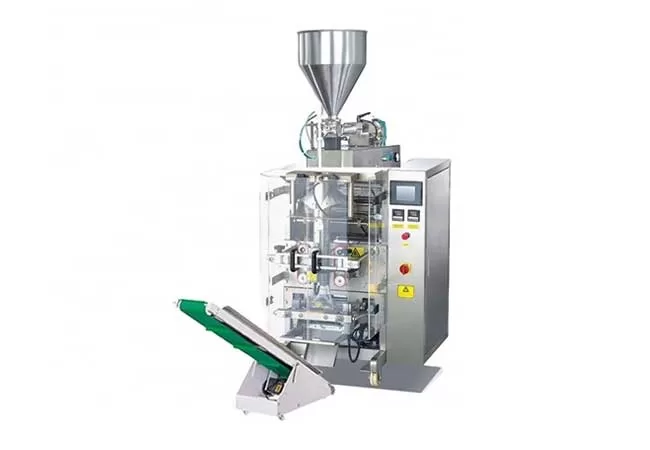
Auger Type Powder Filling Machine: The Ultimate Guide to Precision Packaging
09-03-2026 -
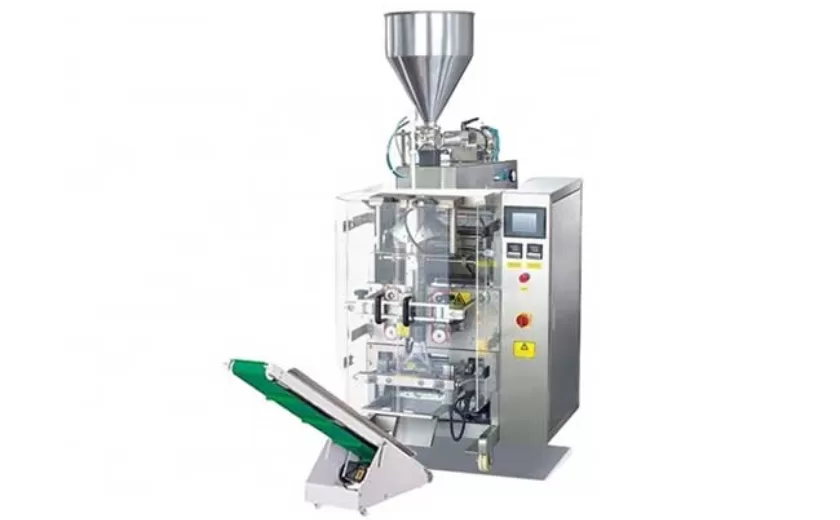
Advanced Packing Solutions: Snacks, Sugar, and Frozen Food Machines
29-10-2025 -
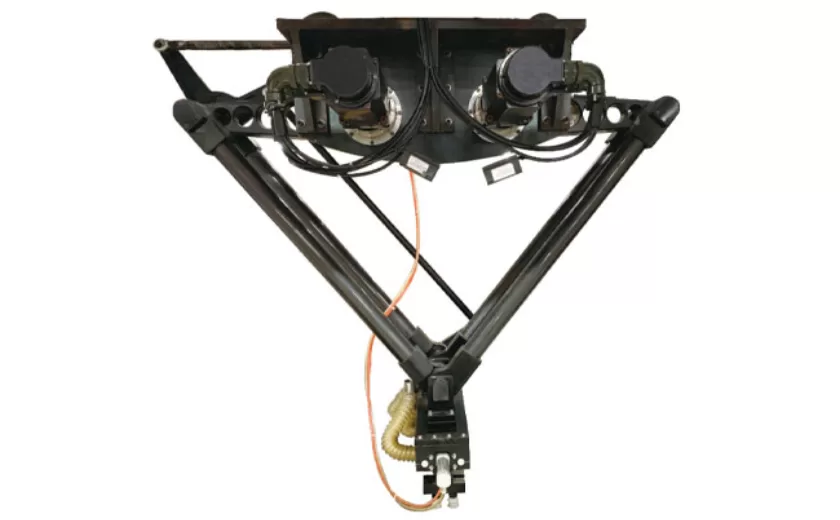
Efficient and Reliable Solutions for Salt, Nuts, and Frozen Dumplings Packing
29-10-2025 -
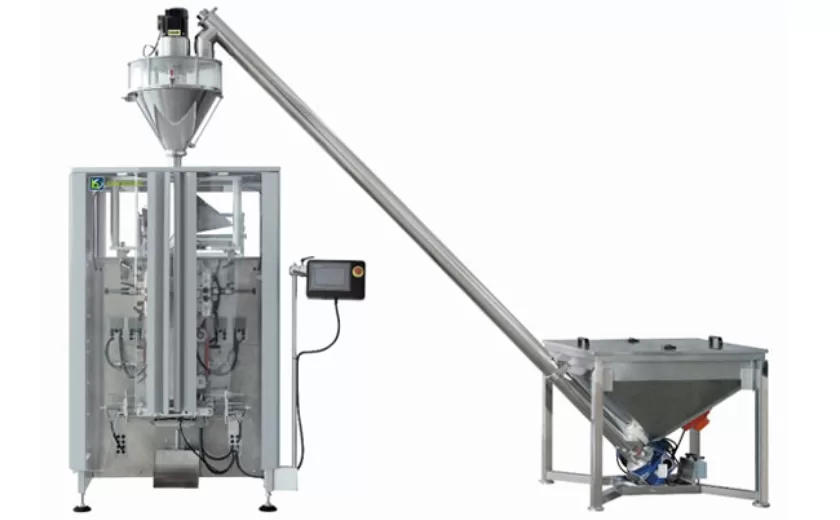
High-Performance Biscuits, Lollipop, and Ketchup Packing Machines for Modern Food Production
29-10-2025 -
Efficient Liquid Filling and Packing Machines for Modern Production
23-10-2025 -
Reliable Granule Packaging Machines for Efficient Production
23-10-2025
