
When to Perform Routine Maintenance on Your Multihead Weigher Machine
Overview
A well-maintained multihead weigher machine is essential for ensuring accurate and efficient weighing operations in various industries. Regular maintenance can prevent breakdowns, prolong equipment life, and optimize performance. This article provides a comprehensive guide on when to perform routine maintenance on your multihead weigher machine.
Scheduled Maintenance
In general, scheduled maintenance should be performed at regular intervals, typically every six to twelve months, depending on the frequency of use and operating environment. Scheduled maintenance involves:
Cleaning and inspection of all components, including weighing pans, vibratory feeders, and discharge chutes
Tightening of loose connections and hardware
Calibration of scales and weight sensors
Software updates
Predictive Maintenance
Predictive maintenance involves monitoring machine performance and identifying potential issues before they become significant problems. This can be done through:
Vibration analysis
Temperature monitoring
Product weight and consistency monitoring
By tracking these parameters, you can identify abnormalities and schedule maintenance accordingly, reducing the risk of unexpected breakdowns.
Component-Specific Maintenance
Apart from scheduled and predictive maintenance, certain components require specific attention:
Weighing Pans: Regularly inspect weighing pans for damage, wear, or corrosion. Clean and replace them as needed.
Vibratory Feeders: Inspect vibratory feeders for proper vibration levels and adjust as necessary. Check for broken or loose springs.
Discharge Chutes: Ensure that discharge chutes are clean and free of obstructions. Inspect for damage or wear.
Hoppers: Check hoppers for product buildup and remove it regularly. Inspect for leaks or damage.
Environmental Factors
The operating environment can also affect the maintenance schedule:
High Humidity: Regular cleaning and drying of components is crucial to prevent corrosion.
Dust or Particulate Matter: Clean and inspect components frequently to remove dust and debris.
Vibration or Shock: Monitor for excessive vibration or shock and adjust the machine’s location or stability accordingly.
Signs of Needed Maintenance
In addition to scheduled maintenance, it’s essential to be aware of signs that your multihead weigher machine requires immediate attention:
Inaccurate Weight: Significant deviations from target weights
Reduced Output: Slow or reduced weighing speed
Increased Noise or Vibration: Abnormal sounds or vibrations
Overheating Components: High temperatures in motors or other components
Error Messages: Error messages on the display panel
Routine maintenance is crucial for the optimal performance and longevity of your multihead weigher machine. By adhering to a regular maintenance schedule, implementing predictive maintenance techniques, and addressing component-specific needs, you can ensure accurate weighing operations, minimize downtime, and extend the equipment’s lifespan.


-
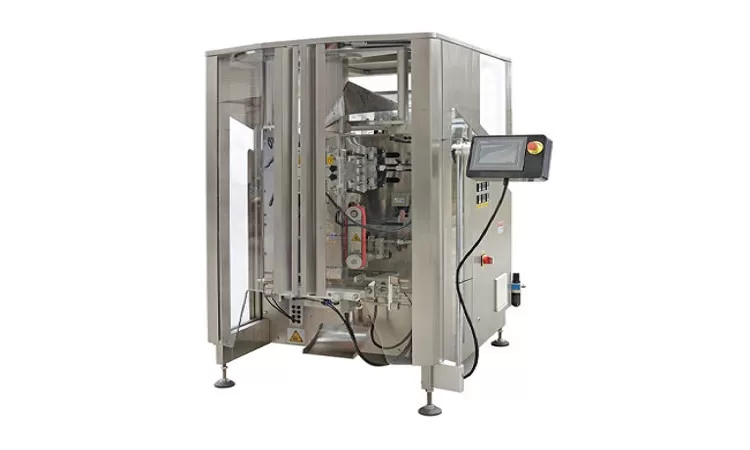
VFFS Equipment: The Ultimate Guide to Vertical Form Fill Seal Technology
13-03-2026 -
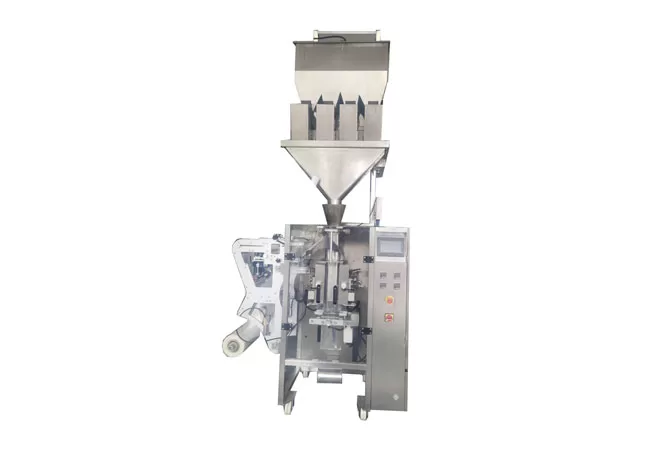
The Essential Guide to Weight Packing Machines for Precision Weighing
12-03-2026 -
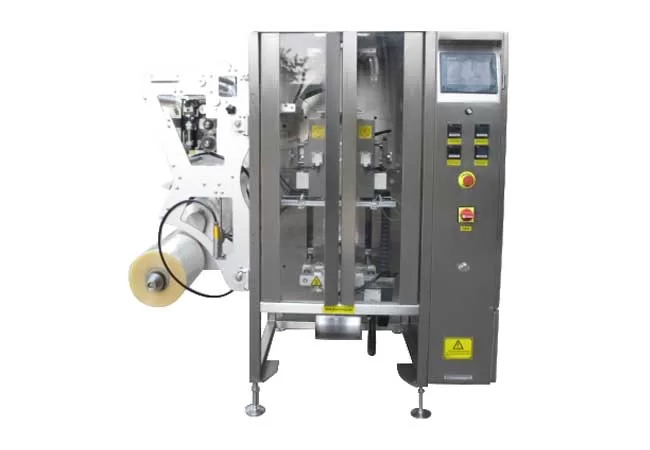
Power Packing Machine: The Ultimate Guide to Heavy-Duty Packaging Efficiency
11-03-2026 -
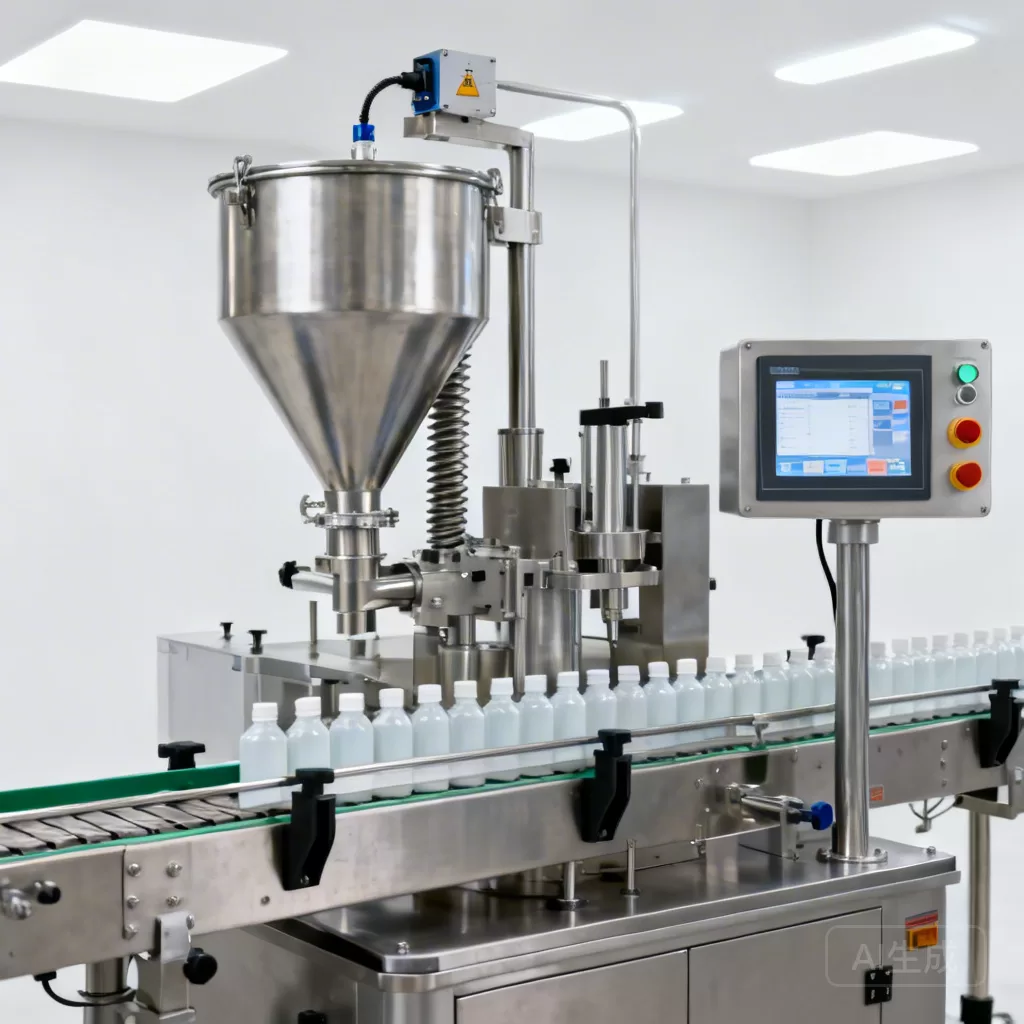
Weigher Packing Machine: The Definitive Guide to Precision Weighing & Packaging
10-03-2026 -
Auger Type Powder Filling Machine: The Ultimate Guide to Precision Packaging
09-03-2026 -
Advanced Packing Solutions: Snacks, Sugar, and Frozen Food Machines
29-10-2025 -
Efficient and Reliable Solutions for Salt, Nuts, and Frozen Dumplings Packing
29-10-2025 -
High-Performance Biscuits, Lollipop, and Ketchup Packing Machines for Modern Food Production
29-10-2025 -
Efficient Liquid Filling and Packing Machines for Modern Production
23-10-2025 -
Reliable Granule Packaging Machines for Efficient Production
23-10-2025
