
When to Choose Automated vs. Manual Weighing Filling Solutions
In today’s fast-paced manufacturing environment, businesses are constantly seeking ways to improve efficiency, accuracy, and productivity. When it comes to weighing and filling processes, the choice between automated and manual solutions can have a significant impact on these key metrics. This article will explore the factors to consider when weighing the pros and cons of automated vs. manual weighing filling solutions to help you make an informed decision for your business.
Factors to Consider
Several factors should be taken into account when deciding between automated and manual weighing filling solutions. These include:
Production Volume
The volume of products you need to weigh and fill plays a crucial role in determining the suitability of an automated solution. If you have low to medium production volumes, manual weighing filling may be sufficient. However, for high-volume production lines, automation can significantly increase efficiency and accuracy.
Accuracy Requirements
The accuracy of the weighing and filling process is essential, especially in industries where precise measurements are critical. Automated weighing filling solutions typically provide higher levels of accuracy than manual processes, minimizing errors and ensuring product consistency.
Labor Availability
The availability and cost of labor should also be considered. Manual weighing filling requires skilled operators, which can be expensive and challenging to find in certain areas. Automated solutions, on the other hand, reduce the reliance on manual labor, freeing up resources for other tasks.
Space Constraints
The space available in your production facility can influence your choice. Automated weighing filling solutions often require more space than manual setups. If space is limited, manual weighing filling may be a more practical option.
Integration with Other Systems
If you have a complex production line with multiple machines and processes, integration capabilities become essential. Automated weighing filling solutions can be seamlessly integrated with other systems, such as conveyors, packaging machines, and control software, providing a fully automated workflow.
Return on Investment
The potential return on investment (ROI) should also be assessed when comparing automated and manual weighing filling solutions. While automated solutions may have a higher initial cost, they can yield significant cost savings over time through increased productivity, reduced labor costs, and improved product quality. Analyzing the ROI can help you determine if automation is financially viable for your business.
Choosing between automated vs. manual weighing filling solutions requires a careful evaluation of your specific needs and production parameters. By considering factors such as production volume, accuracy requirements, labor availability, space constraints, integration capabilities, and ROI, you can make an informed decision that aligns with your business goals and objectives.


-
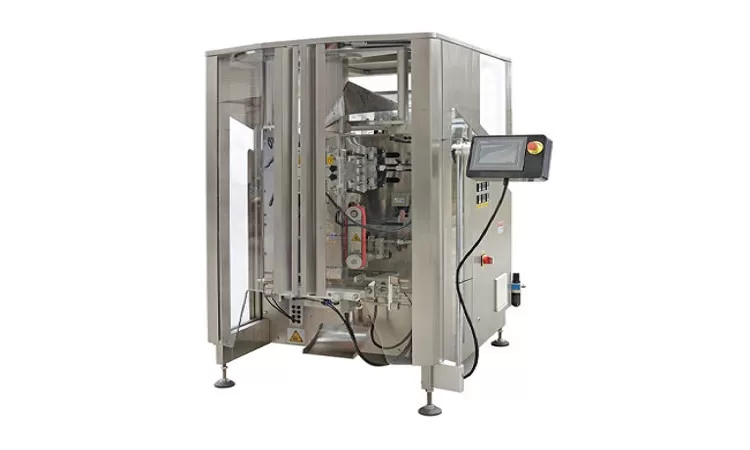
VFFS Equipment: The Ultimate Guide to Vertical Form Fill Seal Technology
13-03-2026 -
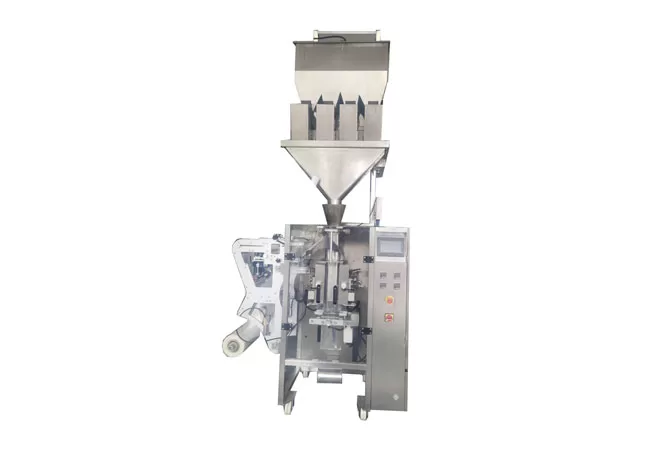
The Essential Guide to Weight Packing Machines for Precision Weighing
12-03-2026 -
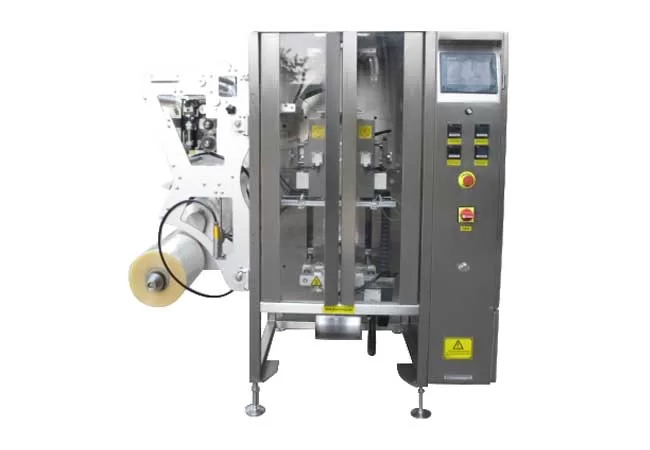
Power Packing Machine: The Ultimate Guide to Heavy-Duty Packaging Efficiency
11-03-2026 -
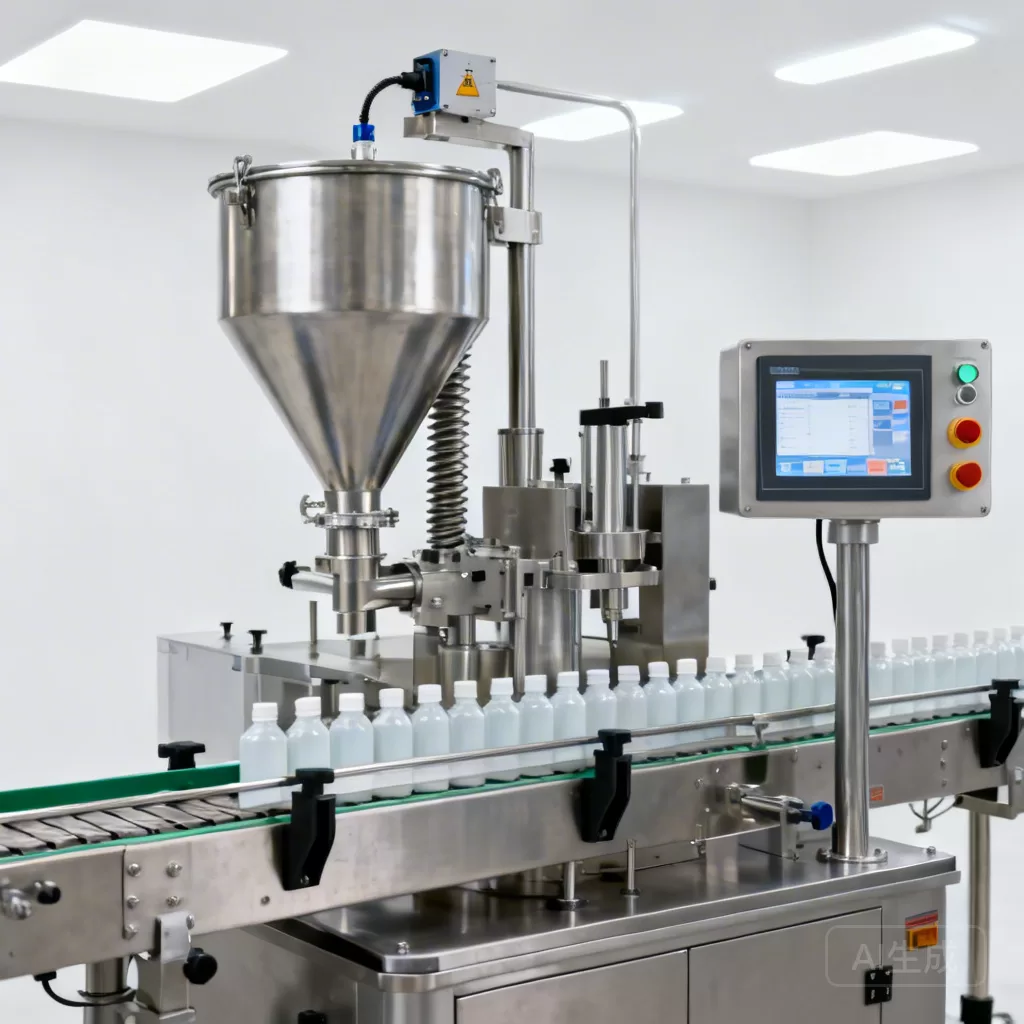
Weigher Packing Machine: The Definitive Guide to Precision Weighing & Packaging
10-03-2026 -
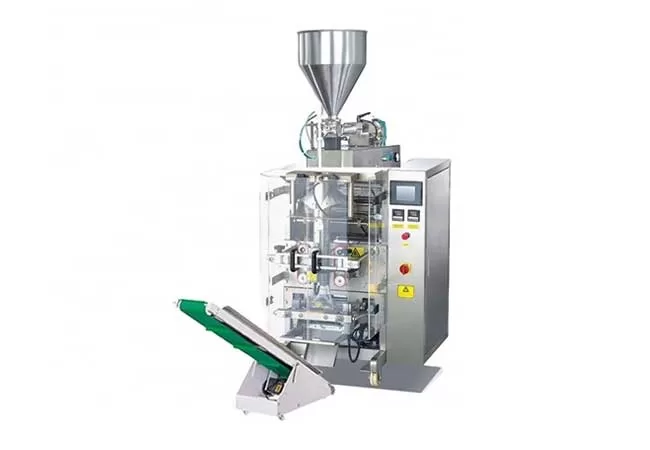
Auger Type Powder Filling Machine: The Ultimate Guide to Precision Packaging
09-03-2026 -
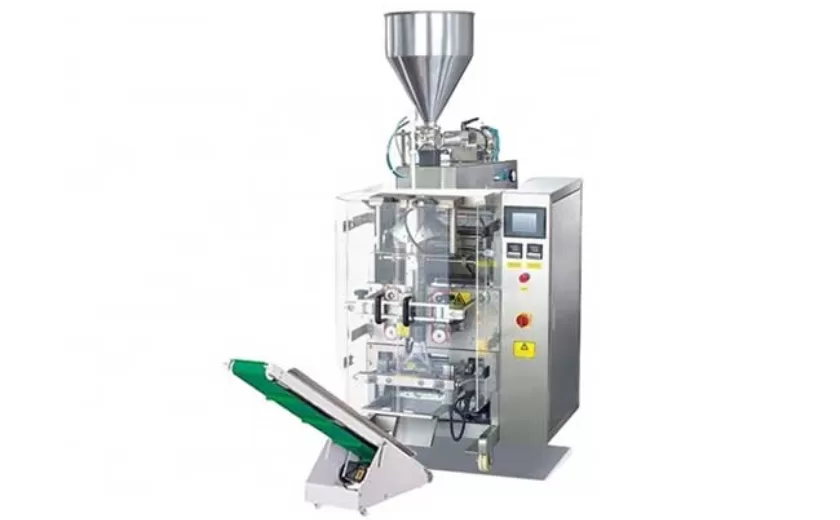
Advanced Packing Solutions: Snacks, Sugar, and Frozen Food Machines
29-10-2025 -
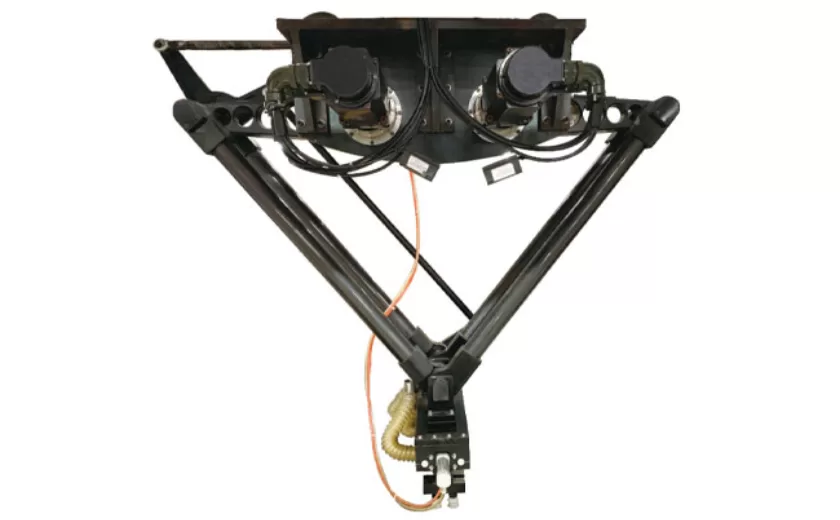
Efficient and Reliable Solutions for Salt, Nuts, and Frozen Dumplings Packing
29-10-2025 -
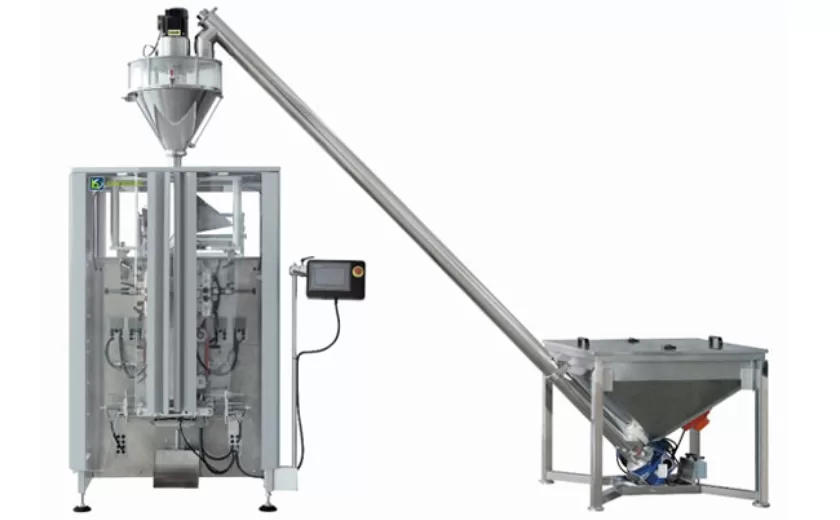
High-Performance Biscuits, Lollipop, and Ketchup Packing Machines for Modern Food Production
29-10-2025 -
Efficient Liquid Filling and Packing Machines for Modern Production
23-10-2025 -
Reliable Granule Packaging Machines for Efficient Production
23-10-2025
