
When to Choose Automated vs. Manual Vertical Bagging Solutions
In the whirlwind of modern packaging, a critical choice looms: automated vs. manual vertical bagging. Like a Rubik’s Cube of efficiency, this decision hinges on a myriad of factors, each vying for dominance in the pursuit of optimal productivity.
Automated Bagging: A Symphony of Efficiency
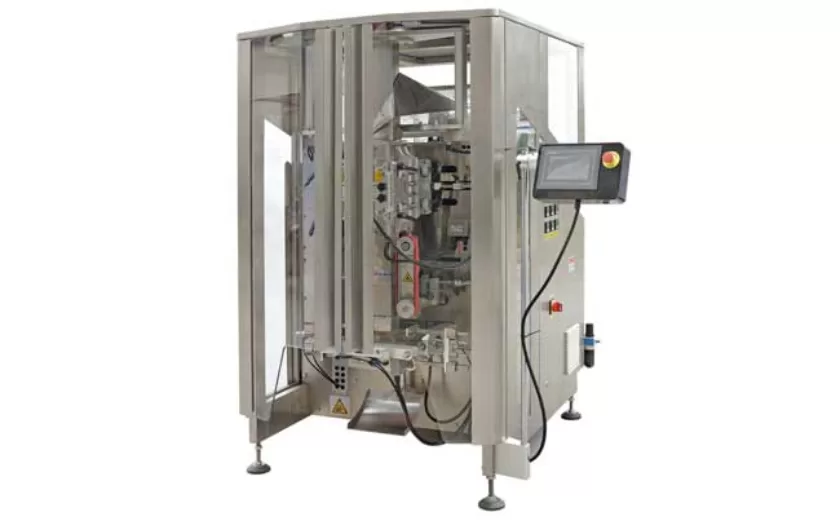
Automated bagging systems command attention with their lightning-fast precision and unwavering consistency. Like a robotic army, they seamlessly orchestrate the entire packaging process, from product infeed to bag closure. This symphony of motion eliminates human error, boosts productivity, and reduces labor costs. Additionally, automated systems offer greater scalability, allowing for rapid adjustments to meet fluctuating demands.
Manual Bagging: The Human Touch
While automation reigns supreme in speed and efficiency, manual bagging still holds its ground in certain situations. For small-scale operations or products requiring a delicate touch, human operators provide unparalleled adaptability and quality control. Manual bagging enables the meticulous handling of fragile items, allows for easy customization, and provides a personal touch that automated systems lack.
Deciding the Dance Partner
The choice between automated and manual bagging hinges on several key considerations:
Product Volume and Complexity: High-volume production with simple products favors automation. Conversely, low-volume or delicate products often benefit from manual handling.
Labor Availability and Costs: Automated systems reduce labor requirements, freeing up personnel for other tasks. However, manual bagging can provide employment opportunities in areas with limited automation feasibility.
Budget and ROI: Automated systems carry a higher upfront cost, but their long-term savings in labor and efficiency can outweigh manual operations.
Scalability and Flexibility: Automated systems excel in scalability, allowing for rapid adjustments to meet demand fluctuations. Manual bagging offers greater flexibility for customized packaging or niche products.
Orchestrating the Perfect Solution
The optimal decision often lies in a hybrid approach. By integrating automated systems with manual processes, manufacturers can harness the strengths of both approaches. For instance, automated systems can handle high-volume production, while manual operations can cater to specialized tasks or quality control.
In the ever-evolving packaging landscape, the choice between automated and manual vertical bagging requires a meticulous analysis of factors. By carefully weighing the pros and cons, manufacturers can orchestrate the perfect solution that elevates their productivity, enhances quality, and meets their unique business needs.


-
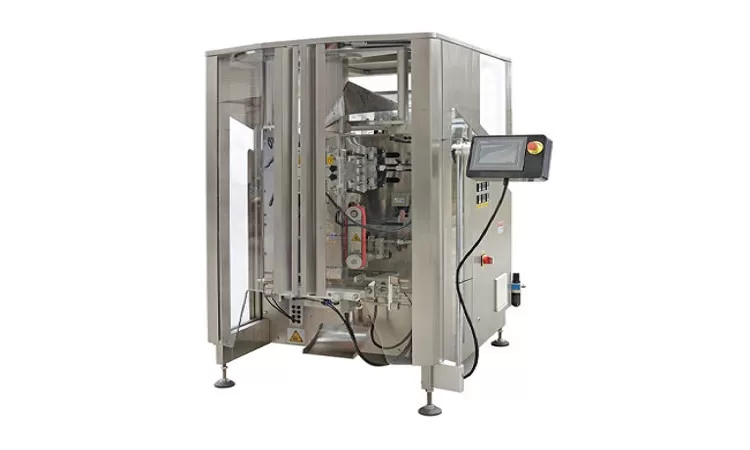
VFFS Equipment: The Ultimate Guide to Vertical Form Fill Seal Technology
13-03-2026 -
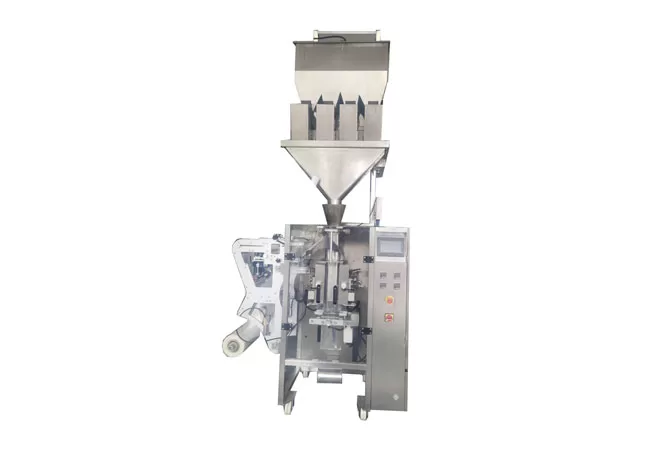
The Essential Guide to Weight Packing Machines for Precision Weighing
12-03-2026 -
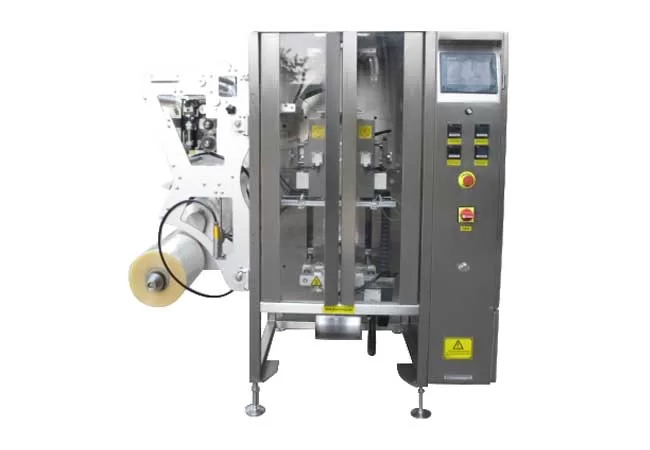
Power Packing Machine: The Ultimate Guide to Heavy-Duty Packaging Efficiency
11-03-2026 -
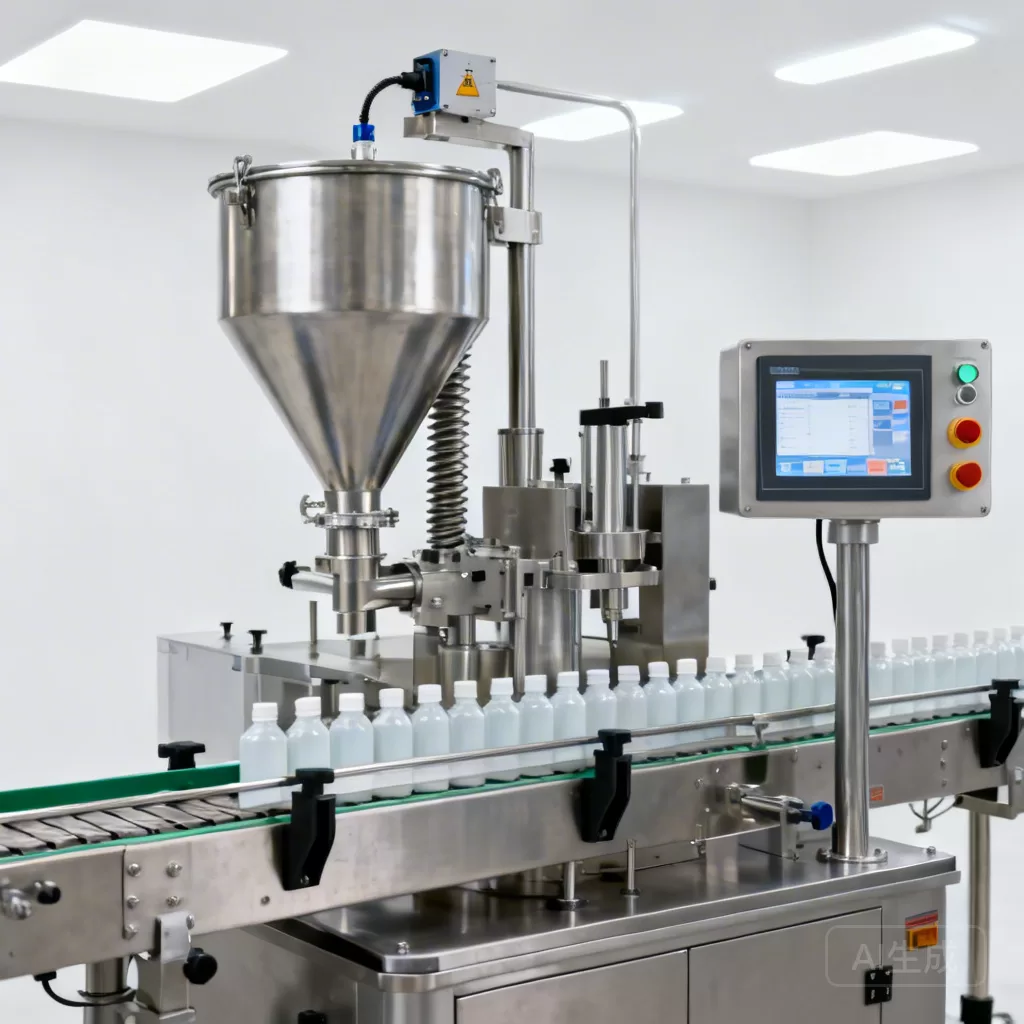
Weigher Packing Machine: The Definitive Guide to Precision Weighing & Packaging
10-03-2026 -
Auger Type Powder Filling Machine: The Ultimate Guide to Precision Packaging
09-03-2026 -
Advanced Packing Solutions: Snacks, Sugar, and Frozen Food Machines
29-10-2025 -
Efficient and Reliable Solutions for Salt, Nuts, and Frozen Dumplings Packing
29-10-2025 -
High-Performance Biscuits, Lollipop, and Ketchup Packing Machines for Modern Food Production
29-10-2025 -
Efficient Liquid Filling and Packing Machines for Modern Production
23-10-2025 -
Reliable Granule Packaging Machines for Efficient Production
23-10-2025
