
When to Choose Automated vs. Manual Pure Water Packaging Solutions
In the quest for pure and pristine hydration, the choice between automated and manual pure water packaging solutions hinges upon a delicate balance of factors. Each approach wields its unique advantages, necessitating a discerning assessment to determine the optimal fit for specific requirements.
Automated Packaging Solutions: Precision and Efficiency
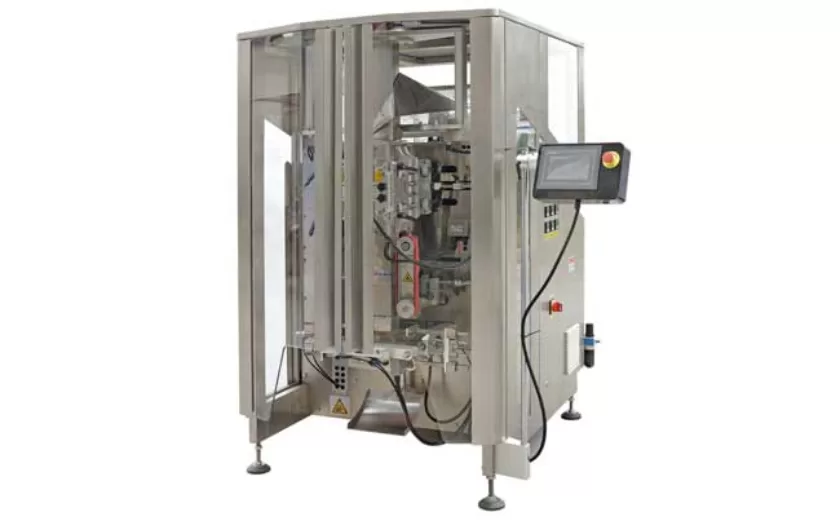
Automated packaging solutions harness the power of machines to efficiently and accurately dispense, fill, and seal water bottles. This level of automation minimizes human error, ensuring consistent filling volumes and a reduced risk of contamination. Advanced systems may incorporate sensors and monitoring devices to maintain optimal water quality throughout the process. Automation also enhances productivity by handling high volumes of packaging with speed and precision, maximizing output and reducing labor costs.
Manual Packaging Solutions: Flexibility and Customization
Manual packaging solutions, on the other hand, offer greater flexibility and customization options. Human operators can adjust filling levels and accommodate specialized bottle shapes or sizes. They can also perform quality control checks visually, ensuring that each bottle meets the desired standards. Manual packaging is ideal for small-scale operations or those requiring personalized packaging where automated systems may not be cost-effective or practical.
Key Considerations for Choosing
The decision between automated and manual pure water packaging solutions should consider the following factors:
Volume and Demand: Automated solutions excel at handling high volumes of water packaging with consistent accuracy and efficiency.
Customization Needs: Manual packaging provides greater flexibility for customized bottle shapes and sizes.
Labor Availability and Cost: Automation can reduce labor requirements, but manual packaging offers greater control over quality and customization.
Investment and Maintenance: Automated systems require significant upfront investment and ongoing maintenance, while manual packaging typically has lower capital costs.
Regulatory Compliance: Both automated and manual solutions must adhere to industry standards and regulations to ensure water safety and quality.
The choice between automated and manual pure water packaging solutions is not a universal one. By carefully considering the specific requirements, including volume, customization needs, labor availability, investment, and regulatory compliance, you can optimize your packaging process and deliver pure, refreshing water to your customers. Understanding the strengths and limitations of each approach empowers you to make an informed decision that aligns with your operational and business objectives.


-
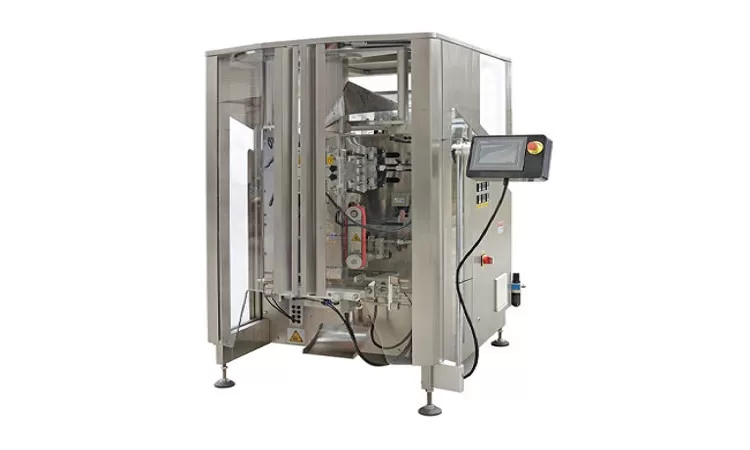
VFFS Equipment: The Ultimate Guide to Vertical Form Fill Seal Technology
13-03-2026 -
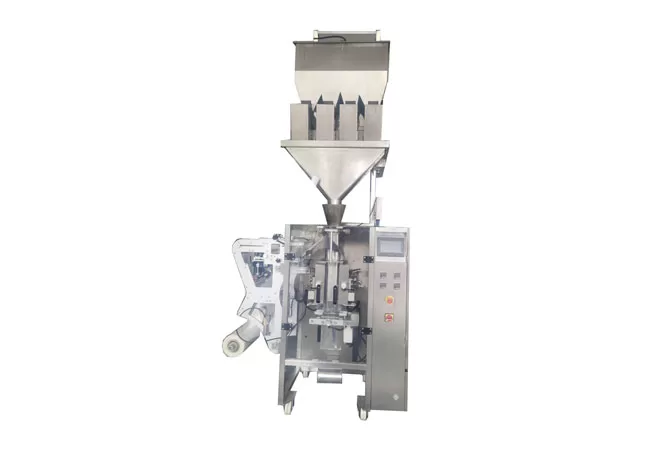
The Essential Guide to Weight Packing Machines for Precision Weighing
12-03-2026 -
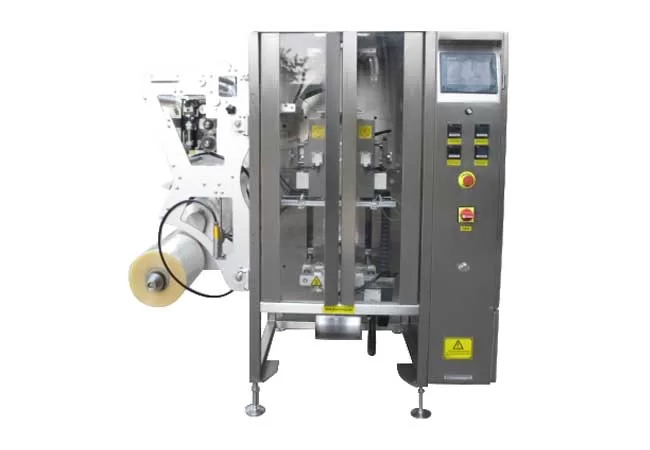
Power Packing Machine: The Ultimate Guide to Heavy-Duty Packaging Efficiency
11-03-2026 -
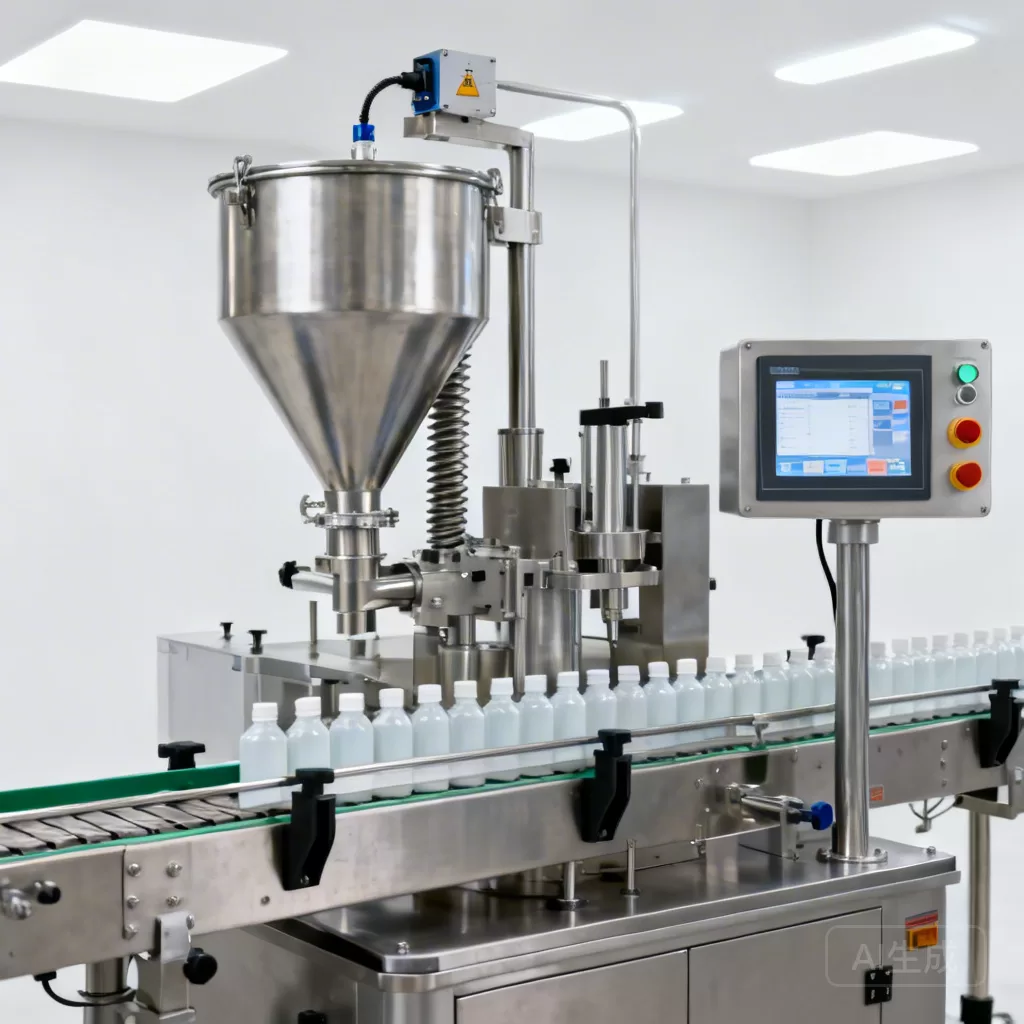
Weigher Packing Machine: The Definitive Guide to Precision Weighing & Packaging
10-03-2026 -
Auger Type Powder Filling Machine: The Ultimate Guide to Precision Packaging
09-03-2026 -
Advanced Packing Solutions: Snacks, Sugar, and Frozen Food Machines
29-10-2025 -
Efficient and Reliable Solutions for Salt, Nuts, and Frozen Dumplings Packing
29-10-2025 -
High-Performance Biscuits, Lollipop, and Ketchup Packing Machines for Modern Food Production
29-10-2025 -
Efficient Liquid Filling and Packing Machines for Modern Production
23-10-2025 -
Reliable Granule Packaging Machines for Efficient Production
23-10-2025
