
When to Choose Automated vs. Manual Milk Pouch Packing Solutions
In the realm of dairy packaging, the choice between automated and manual milk pouch packing solutions presents a pivotal decision. Each approach carries unique advantages and drawbacks, navigating which is crucial for streamlined operations and optimal efficiency.
Automated Milk Pouch Packing
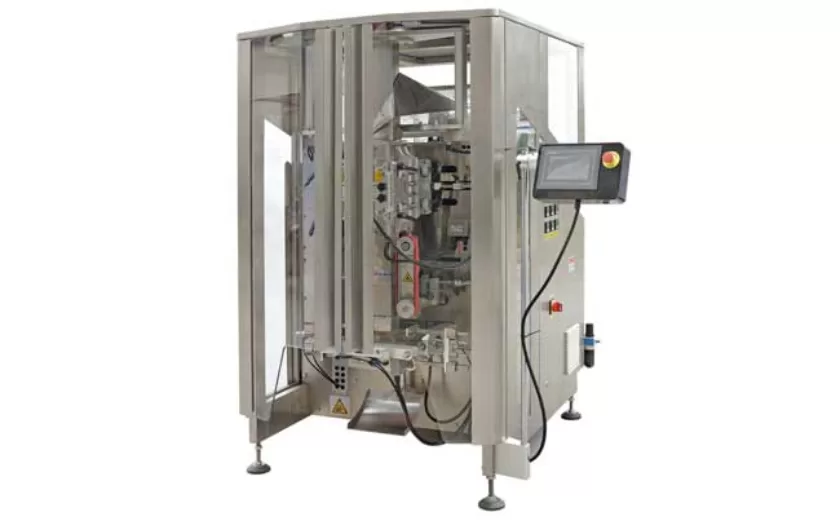
Powered by robotics and sophisticated machinery, automated milk pouch packing solutions offer a plethora of benefits:
Speed and Efficiency: Automated machines can package milk pouches at lightning-fast speeds, significantly outpacing manual labor. This translates into higher production volumes, increased productivity, and reduced labor costs.
Consistency and Precision: Automated machines follow pre-programmed parameters, ensuring uniform pouch size, weight, and seal quality. This eliminates human error, minimizes waste, and guarantees product integrity.
Hygienic and Safe: Automated systems operate in enclosed environments, minimizing exposure to contaminants. This preserves product freshness and safety, meeting stringent food industry regulations.
Manual Milk Pouch Packing
While automation reigns supreme in large-scale operations, manual milk pouch packing remains a viable option in certain scenarios:
Small-Scale Production: For dairies with limited production volumes, manual packing is an economical and practical choice. It requires minimal investment and can be easily scaled as needed.
Customizable Packaging: Manual packing allows for greater flexibility in pouch design and size. This flexibility caters to niche markets or specialized requirements.
Personal Touch: Manual packing often involves human interaction, adding a personalized touch to the packaging process. This can enhance brand appeal and foster customer loyalty.
Choosing the Right Solution
The decision between automated and manual milk pouch packing hinges on several key factors:
Production Volume: High-volume producers benefit immensely from automation’s speed and efficiency.
Product Quality: Automated systems ensure consistent quality, while manual packing offers greater customization.
Labor Costs: Automated solutions reduce labor expenses, but initial investment costs may outweigh labor savings for small-scale operations.
Space Constraints: Automated machines require ample space, while manual packing can be accommodated in smaller facilities.
By carefully considering these factors, dairies can make an informed decision that optimizes production, minimizes costs, and ensures product integrity. Whether automation’s lightning-fast efficiency or manual packing’s personalization is the ideal choice, the right solution empowers dairies to deliver high-quality milk pouches that meet the evolving demands of the market.


-
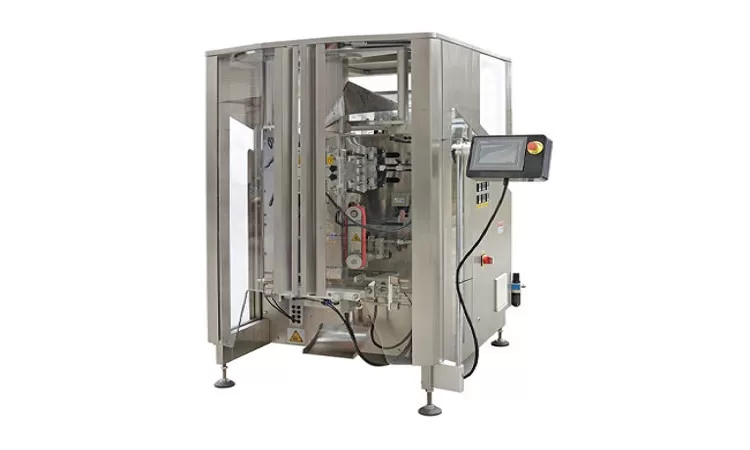
VFFS Equipment: The Ultimate Guide to Vertical Form Fill Seal Technology
13-03-2026 -
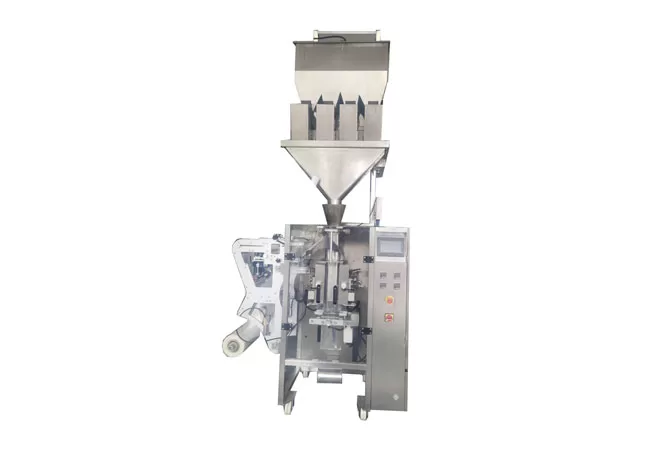
The Essential Guide to Weight Packing Machines for Precision Weighing
12-03-2026 -
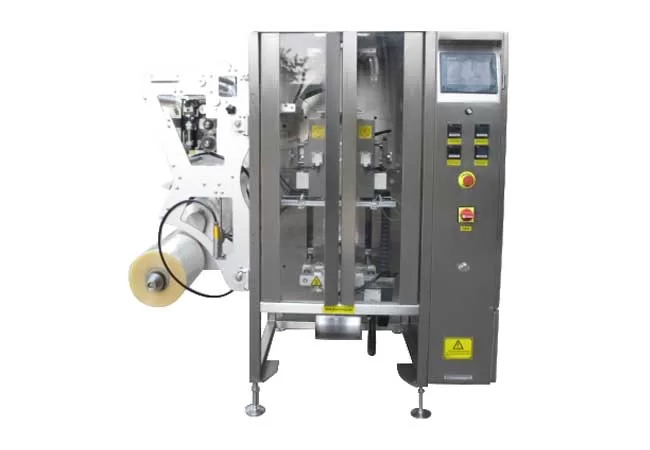
Power Packing Machine: The Ultimate Guide to Heavy-Duty Packaging Efficiency
11-03-2026 -
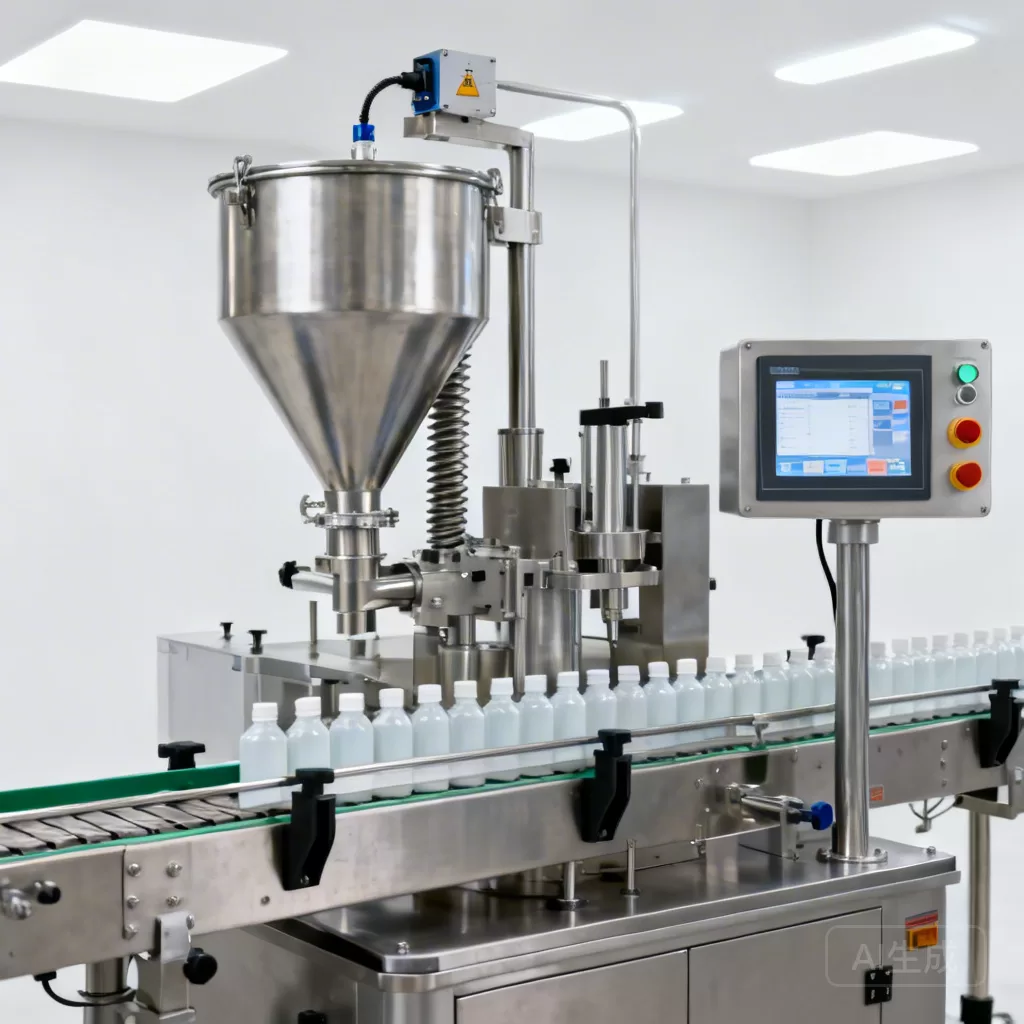
Weigher Packing Machine: The Definitive Guide to Precision Weighing & Packaging
10-03-2026 -
Auger Type Powder Filling Machine: The Ultimate Guide to Precision Packaging
09-03-2026 -
Advanced Packing Solutions: Snacks, Sugar, and Frozen Food Machines
29-10-2025 -
Efficient and Reliable Solutions for Salt, Nuts, and Frozen Dumplings Packing
29-10-2025 -
High-Performance Biscuits, Lollipop, and Ketchup Packing Machines for Modern Food Production
29-10-2025 -
Efficient Liquid Filling and Packing Machines for Modern Production
23-10-2025 -
Reliable Granule Packaging Machines for Efficient Production
23-10-2025
