
When Should You Choose Automatic vs. Manual Horizontal Flow Wrapping?
In the vast expanse of packaging technologies, horizontal flow wrapping stands out as a captivating solution for myriad industries. This versatile technique envelops products in a protective film, ensuring their safe and aesthetically pleasing transit. However, the choice between automatic and manual flow wrapping presents a pivotal decision that can significantly impact your packaging process.
Automatic Flow Wrapping: A Symphony of Efficiency
Automatic flow wrapping machines are the embodiment of efficiency, seamlessly automating the entire packaging process. From product infeed to film sealing, these machines perform with precision and speed, eliminating the need for human intervention. This not only boosts productivity but also reduces labor costs. Moreover, automatic flow wrappers possess advanced features such as programmable settings, error detection, and data logging, providing enhanced control and monitoring.
Manual Flow Wrapping: The Art of Precision
Manual flow wrapping, on the other hand, offers a more artisanal approach, requiring skilled operators to execute each step of the packaging process. This hands-on involvement allows for greater flexibility and customization, enabling the production of bespoke packaging solutions tailored to specific products or requirements. Manual flow wrappers are ideal for small-scale operations or products with intricate shapes that demand meticulous handling.
Factors to Consider in Your Choice
The decision between automatic and manual flow wrapping hinges on several key factors:
Production Volume: Automatic machines excel in high-volume packaging applications, while manual wrappers are suited for lower production rates.
Product Characteristics: The shape, size, and fragility of the product can influence the choice of wrapper. Automatic machines are best suited for products with simple geometries and consistent dimensions.
Packaging Requirements: Consider the desired packaging speed, film type, and level of automation required for your specific application.
Labor Availability: Automatic machines can help reduce labor requirements, while manual wrappers provide greater flexibility in staffing levels.
Budget: Automatic flow wrappers typically require a higher upfront investment but offer long-term cost savings in terms of labor and efficiency.
Ultimately, the choice between automatic and manual horizontal flow wrapping is a delicate balance of your specific needs and resources. By carefully considering the factors discussed above, you can make an informed decision that will optimize your packaging operations, enhance product protection, and elevate your brand’s presentation.


-
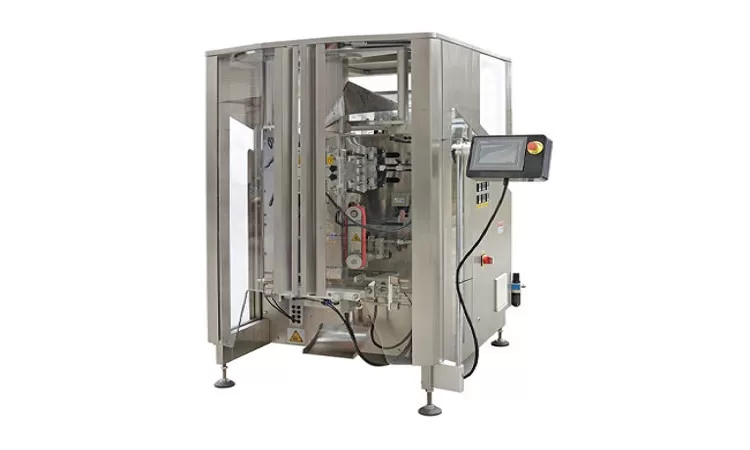
VFFS Equipment: The Ultimate Guide to Vertical Form Fill Seal Technology
13-03-2026 -
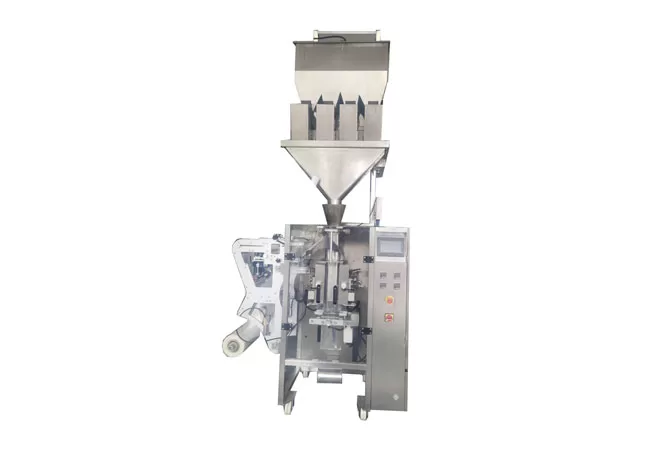
The Essential Guide to Weight Packing Machines for Precision Weighing
12-03-2026 -
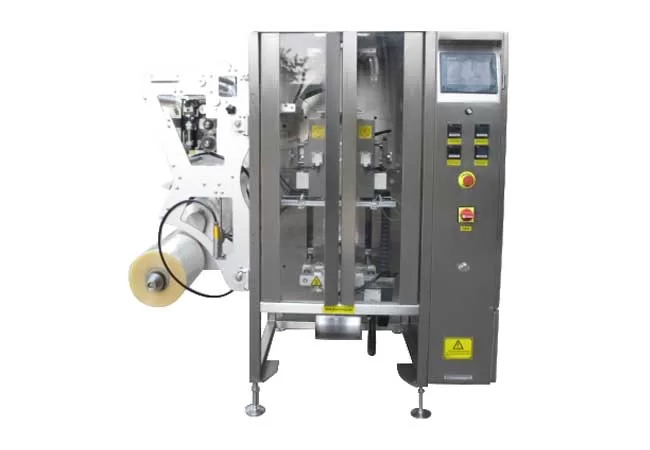
Power Packing Machine: The Ultimate Guide to Heavy-Duty Packaging Efficiency
11-03-2026 -
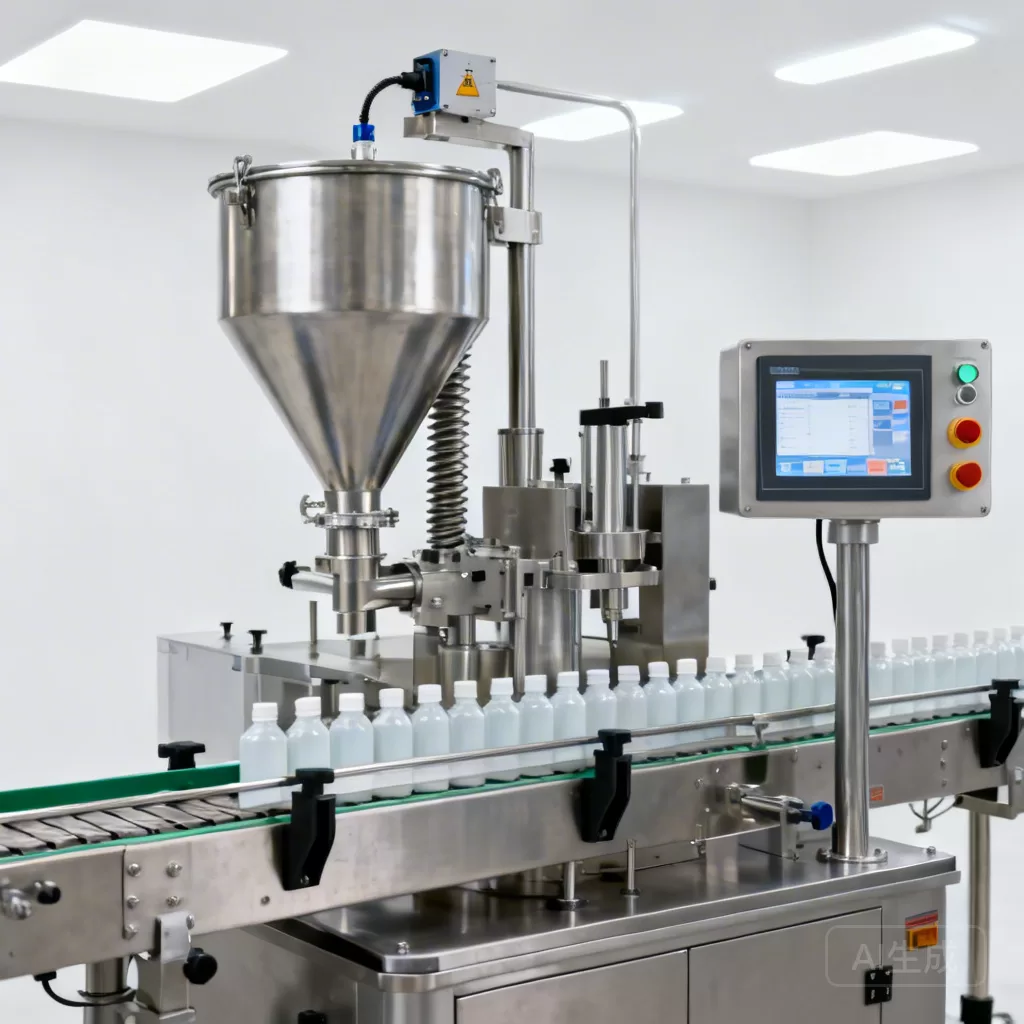
Weigher Packing Machine: The Definitive Guide to Precision Weighing & Packaging
10-03-2026 -
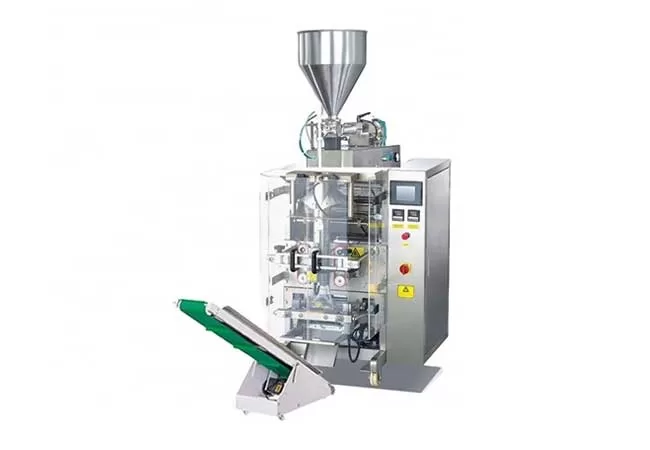
Auger Type Powder Filling Machine: The Ultimate Guide to Precision Packaging
09-03-2026 -
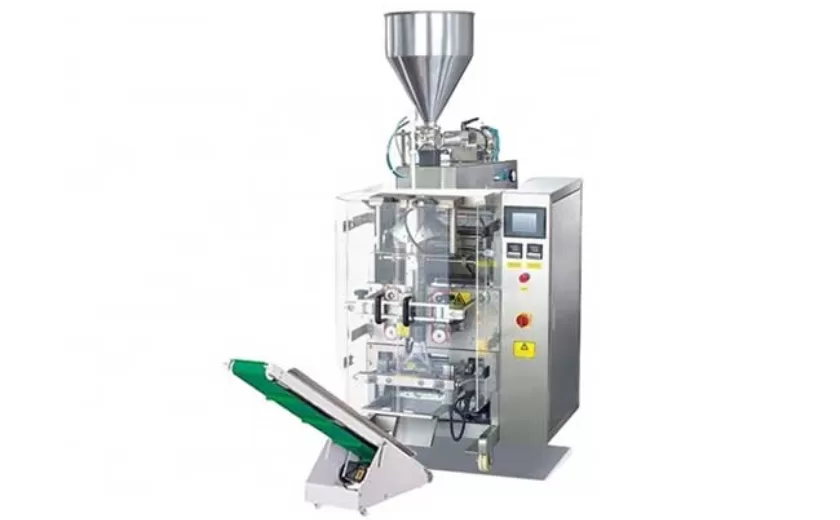
Advanced Packing Solutions: Snacks, Sugar, and Frozen Food Machines
29-10-2025 -
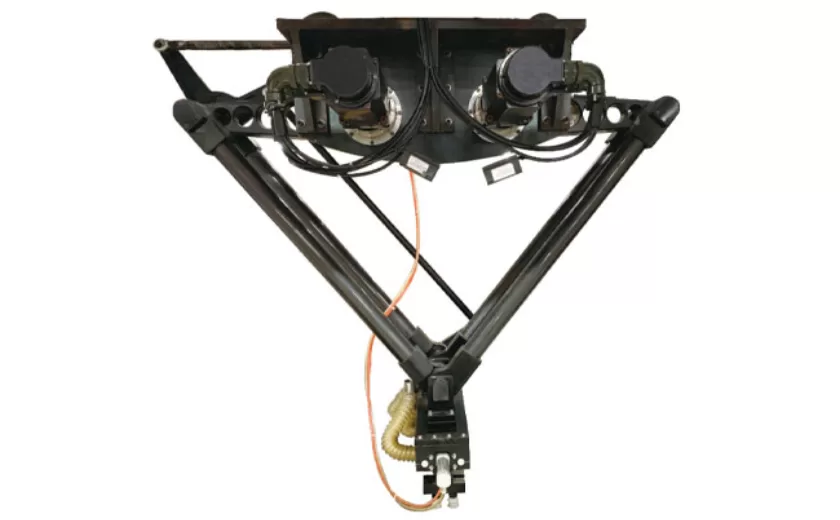
Efficient and Reliable Solutions for Salt, Nuts, and Frozen Dumplings Packing
29-10-2025 -
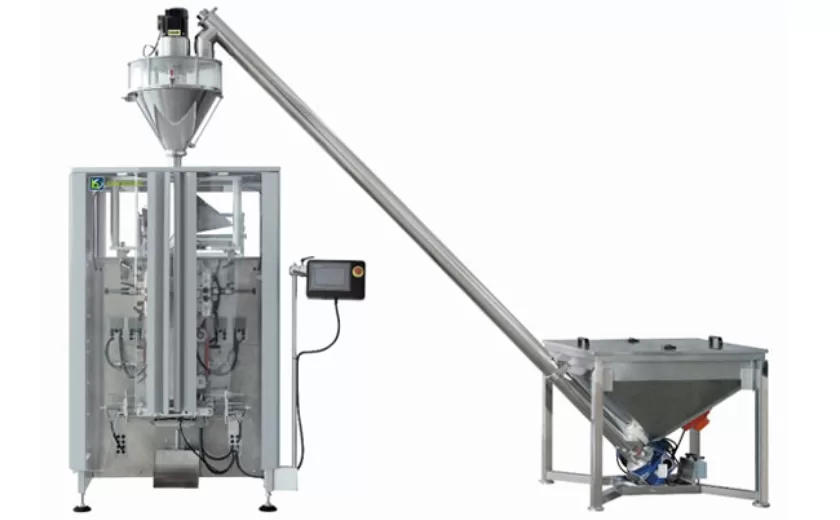
High-Performance Biscuits, Lollipop, and Ketchup Packing Machines for Modern Food Production
29-10-2025 -
Efficient Liquid Filling and Packing Machines for Modern Production
23-10-2025 -
Reliable Granule Packaging Machines for Efficient Production
23-10-2025
