
When Should You Choose Automatic vs. Manual Flow Wrapping?
In the realm of packaging, flow wrapping stands as a versatile and efficient solution for an array of products. This process involves encapsulating items in a continuous film that conforms to their shape, offering protection and visual appeal. However, the choice between automatic and manual flow wrapping hinges on specific factors that determine the optimal approach for each application.
Automatic Flow Wrapping: The Epitome of Efficiency
Automatic flow wrapping machines are the embodiment of speed and efficiency. They seamlessly manage the entire process, from film feeding to product wrapping and sealing. Ideal for high-volume production environments, these machines boast:
Rapid throughput: They can handle a prodigious number of items per hour, significantly increasing productivity and output.
Consistency and accuracy: Their automated operations ensure precise and consistent wrapping, minimizing human error and maximizing quality.
Labor savings: By eliminating the need for manual labor, automatic flow wrappers reduce operating costs and free up workers for other tasks.
Manual Flow Wrapping: Cost-Effective for Small-Scale Operations
Manual flow wrapping machines, while not as fast as their automatic counterparts, offer cost-effective solutions for small-scale or intermittent packaging needs. They provide:
Flexibility: They can accommodate various product shapes and sizes, making them suitable for a wider range of products.
Affordability: Their lower initial investment and maintenance costs make them an attractive option for startups and small businesses.
Customization: They enable users to manually adjust settings, allowing for tailored wrapping solutions that meet specific requirements.
Choosing the Optimal Approach
The decision between automatic and manual flow wrapping hinges on several key considerations:
Production volume: Automatic flow wrappers excel in high-volume environments, while manual machines are ideal for lower quantities.
Product characteristics: Product shape, size, and fragility influence the choice of wrapping method.
Packaging quality: Automatic flow wrappers ensure consistent and high-quality wrapping, while manual machines offer more flexibility in customization.
Budget: Automatic flow wrappers come with higher initial costs, while manual machines are more cost-effective.
Automatic flow wrapping machines reign supreme in high-volume production environments, offering speed, consistency, and labor savings. Manual flow wrappers, on the other hand, provide cost-effective solutions for smaller-scale operations, allowing for flexibility and customization. Understanding these factors and carefully assessing individual needs will guide you towards the optimal flow wrapping approach that empowers your packaging operations.


-
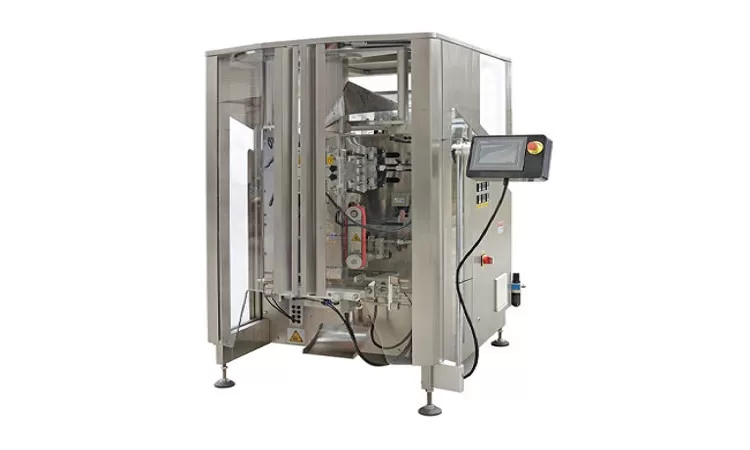
VFFS Equipment: The Ultimate Guide to Vertical Form Fill Seal Technology
13-03-2026 -
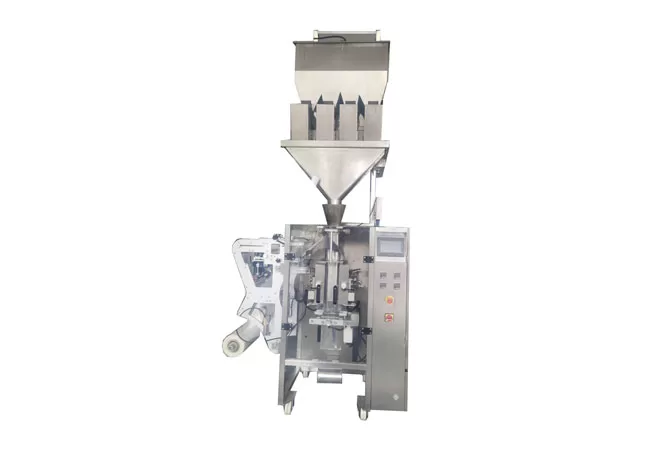
The Essential Guide to Weight Packing Machines for Precision Weighing
12-03-2026 -
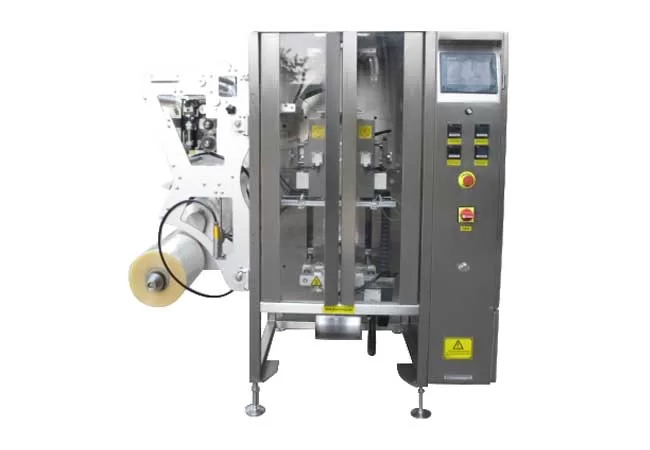
Power Packing Machine: The Ultimate Guide to Heavy-Duty Packaging Efficiency
11-03-2026 -
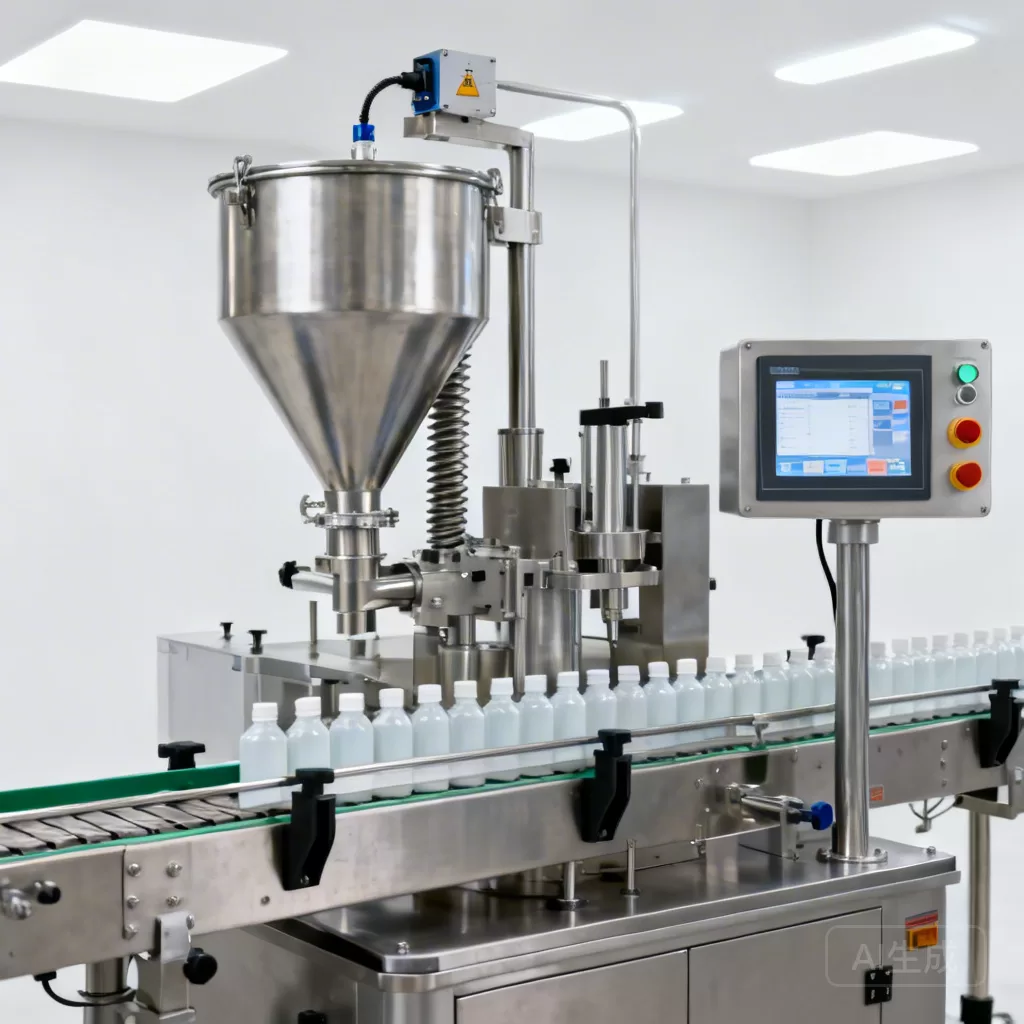
Weigher Packing Machine: The Definitive Guide to Precision Weighing & Packaging
10-03-2026 -
Auger Type Powder Filling Machine: The Ultimate Guide to Precision Packaging
09-03-2026 -
Advanced Packing Solutions: Snacks, Sugar, and Frozen Food Machines
29-10-2025 -
Efficient and Reliable Solutions for Salt, Nuts, and Frozen Dumplings Packing
29-10-2025 -
High-Performance Biscuits, Lollipop, and Ketchup Packing Machines for Modern Food Production
29-10-2025 -
Efficient Liquid Filling and Packing Machines for Modern Production
23-10-2025 -
Reliable Granule Packaging Machines for Efficient Production
23-10-2025
