
When Should You Choose Automatic vs. Manual Flow Wrap Packing?
Flow wrapping, also known as pillow-style packaging, is a popular packaging method for a wide range of products. It involves wrapping a product in a film, folding the ends, and sealing them. This type of packaging can be done manually or automatically. The best method for your business will depend on a number of factors, including the speed, efficiency, and cost requirements of your operation.
Factors to Consider When Choosing Automatic vs. Manual Flow Wrap Packing
1. Speed
Automatic flow wrapping machines are much faster than manual machines. They can typically wrap 20-60 products per minute, while manual machines can only wrap 5-10 products per minute. This difference in speed can be significant for businesses that need to produce large volumes of product in a short amount of time.
2. Efficiency
Automatic flow wrapping machines are also more efficient than manual machines. They can run continuously without the need for an operator, which frees up labor for other tasks. This can be beneficial for businesses that need to maximize their production capacity.
3. Cost
Automatic flow wrapping machines are more expensive than manual machines. This is because they require more complex machinery and controls. However, the increased speed and efficiency of automatic machines can offset the higher cost over time.
Advantages of Automatic Flow Wrap Packing
Faster: Automatic machines can wrap products much faster than manual machines.
More efficient: Automatic machines can run continuously without an operator, which frees up labor for other tasks.
Can handle a wider range of products: Automatic machines can be customized to handle a wider range of products than manual machines.
More consistent: Automatic machines produce more consistent packages than manual machines.
Disadvantages of Automatic Flow Wrap Packing
More expensive: Automatic machines are more expensive than manual machines.
More complex to operate: Automatic machines require more complex machinery and controls than manual machines, which can make them more difficult to operate.
May require more maintenance: Automatic machines may require more maintenance than manual machines.
Advantages of Manual Flow Wrap Packing
Less expensive: Manual machines are less expensive than automatic machines.
Easier to operate: Manual machines are easier to operate than automatic machines.
Require less maintenance: Manual machines require less maintenance than automatic machines.
Disadvantages of Manual Flow Wrap Packing
Slower: Manual machines are slower than automatic machines.
Less efficient: Manual machines require an operator to operate, which can be less efficient than using an automatic machine.
Less consistent: Manual machines can produce less consistent packages than automatic machines.
The best way to decide whether to choose automatic or manual flow wrap packing is to consider the specific needs of your business. If you need to produce large volumes of product in a short amount of time, then an automatic machine may be the best option. However, if you have a smaller operation or a limited budget, then a manual machine may be a more suitable choice.


-
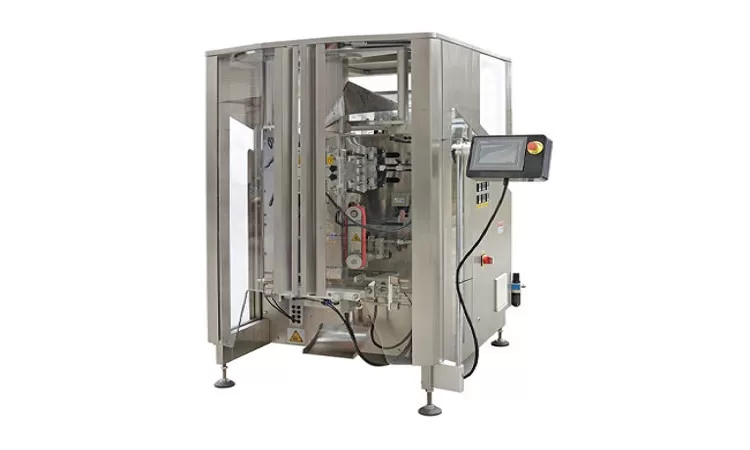
VFFS Equipment: The Ultimate Guide to Vertical Form Fill Seal Technology
13-03-2026 -
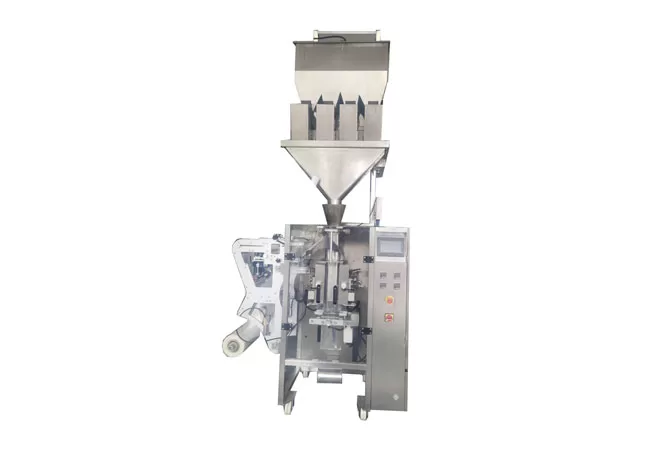
The Essential Guide to Weight Packing Machines for Precision Weighing
12-03-2026 -
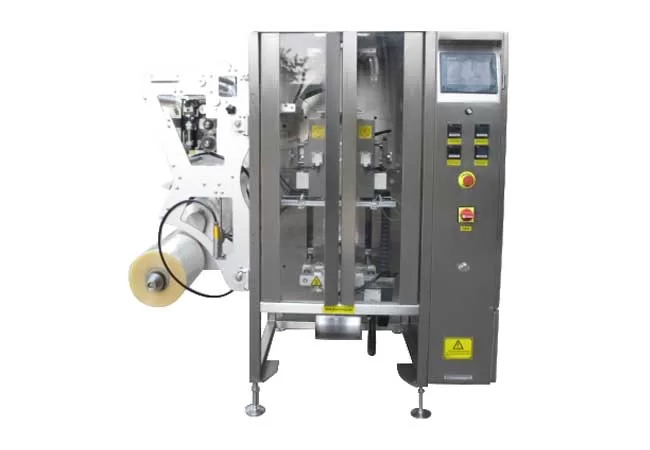
Power Packing Machine: The Ultimate Guide to Heavy-Duty Packaging Efficiency
11-03-2026 -
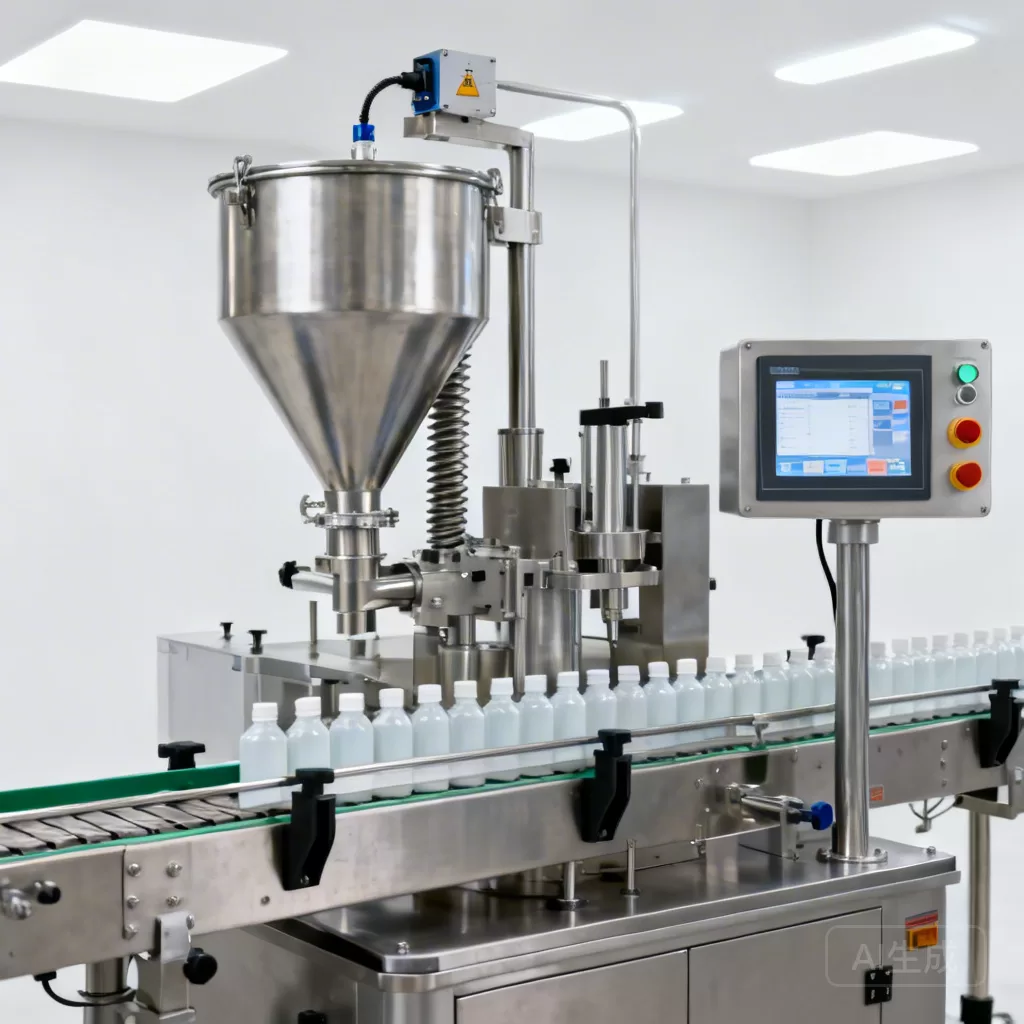
Weigher Packing Machine: The Definitive Guide to Precision Weighing & Packaging
10-03-2026 -
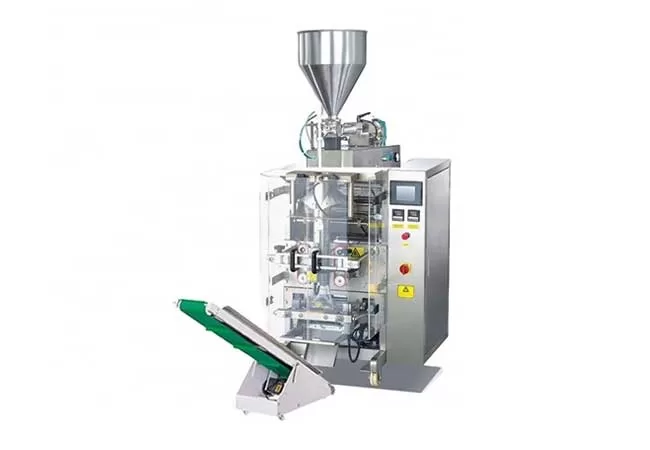
Auger Type Powder Filling Machine: The Ultimate Guide to Precision Packaging
09-03-2026 -
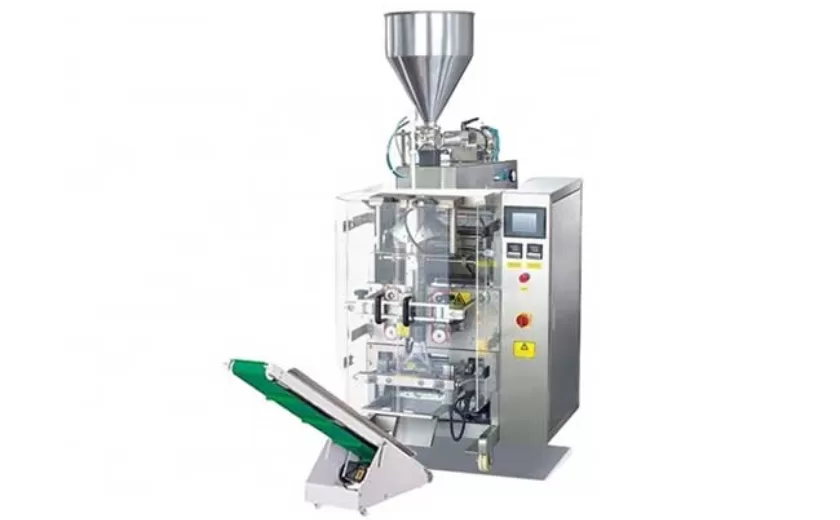
Advanced Packing Solutions: Snacks, Sugar, and Frozen Food Machines
29-10-2025 -
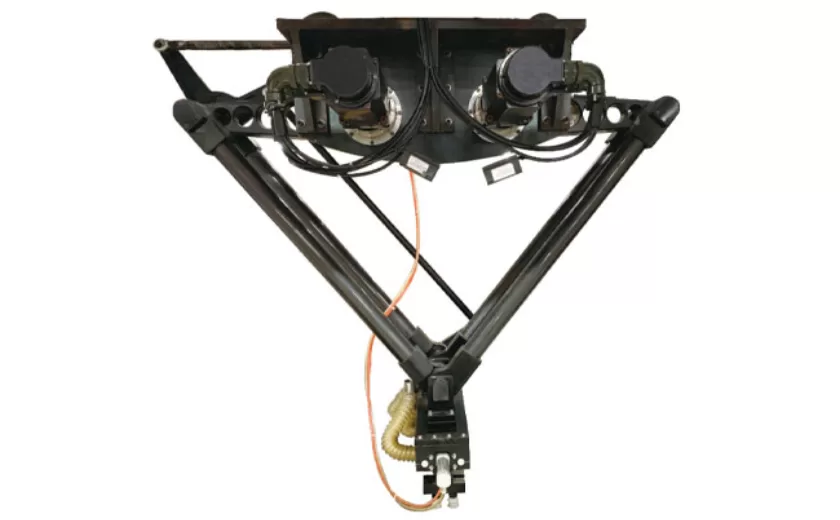
Efficient and Reliable Solutions for Salt, Nuts, and Frozen Dumplings Packing
29-10-2025 -
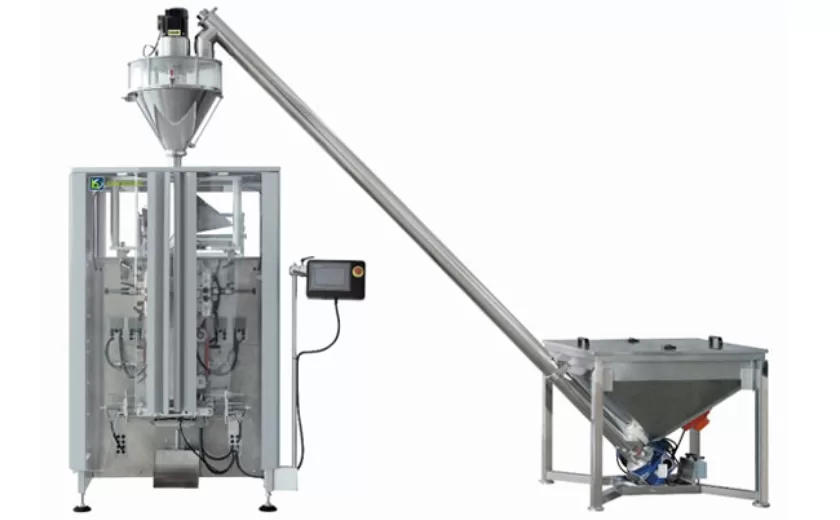
High-Performance Biscuits, Lollipop, and Ketchup Packing Machines for Modern Food Production
29-10-2025 -
Efficient Liquid Filling and Packing Machines for Modern Production
23-10-2025 -
Reliable Granule Packaging Machines for Efficient Production
23-10-2025
