
When Is the Right Time to Implement Vertical Wrapping in Your Production Line?
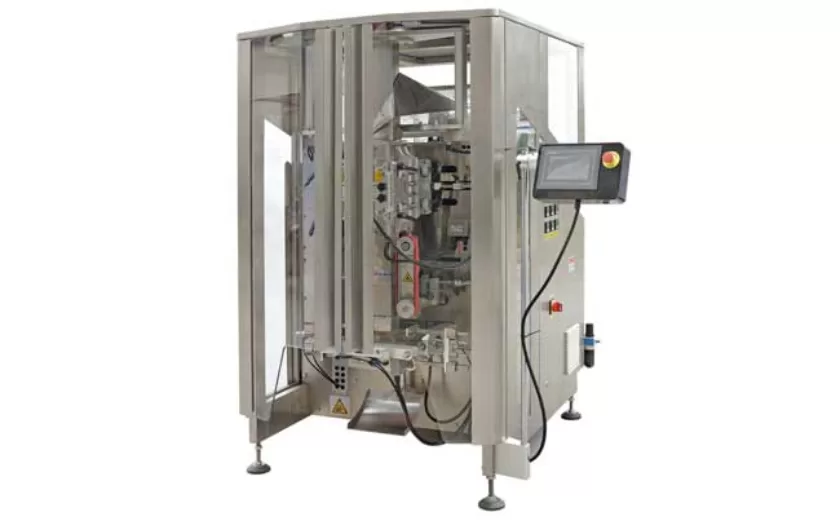
In the fast-paced world of manufacturing, optimizing production efficiency is paramount. Vertical wrapping machines offer a host of benefits that can significantly enhance your packaging process. However, determining the right time to implement vertical wrapping in your production line requires careful consideration of various factors. This article delves into the key considerations to guide your decision.
Considerations for Implementing Vertical Wrapping
1. Product Characteristics
The nature of your products plays a crucial role in determining the suitability of vertical wrapping. Vertical wrapping excels in handling products with regular shapes and sizes. Products with irregular dimensions or delicate surfaces may require alternative packaging solutions.
2. Packaging Speed and Throughput
Vertical wrapping machines offer exceptional packaging speeds, allowing for increased productivity. If your production line demands high-volume packaging at a fast pace, a vertical wrapper can significantly enhance your throughput. However, if your packaging requirements are relatively low, other packaging options may be more cost-effective.
3. Flexibility and Versatility
The ability of a vertical wrapper to handle different products and packaging materials is a key consideration. If your production line involves multiple product lines or frequent changeovers, a versatile vertical wrapper can minimize downtime and maximize efficiency.
4. Cost and ROI
The initial investment cost and long-term return on investment (ROI) should be carefully evaluated. Vertical wrapping machines can be a significant capital expenditure, and it is essential to ensure that the benefits they provide justify the investment. Consider factors such as increased productivity, reduced labor costs, and improved product protection.
5. Space Constraints
The size and footprint of vertical wrapping machines vary depending on the model and capacity. If your production line is space-constrained, compact vertical wrappers or modular systems that can be integrated seamlessly into your existing setup should be considered.
6. Automation and Integration
Integrating your vertical wrapper with other automation systems, such as conveyors, product feeders, and labelers, can further optimize your packaging process. Consider the level of automation you require and ensure the chosen vertical wrapping machine offers the necessary connectivity options.
7. Maintenance and Support
Regular maintenance and support are essential to ensure the longevity and optimal performance of your vertical wrapping machine. Assess the availability of after-sales support, spare parts, and technical expertise to minimize downtime and maximize productivity.
Implementing vertical wrapping in your production line can be a transformative decision, enhancing efficiency, product protection, and overall productivity. By carefully considering the factors outlined above, you can determine the right time to make this investment. Remember to evaluate your product characteristics, packaging requirements, space constraints, and financial considerations to make an informed decision that aligns with the specific needs of your production line.


-
VFFS Equipment: The Ultimate Guide to Vertical Form Fill Seal Technology
13-03-2026 -
The Essential Guide to Weight Packing Machines for Precision Weighing
12-03-2026 -
Power Packing Machine: The Ultimate Guide to Heavy-Duty Packaging Efficiency
11-03-2026 -
Weigher Packing Machine: The Definitive Guide to Precision Weighing & Packaging
10-03-2026 -
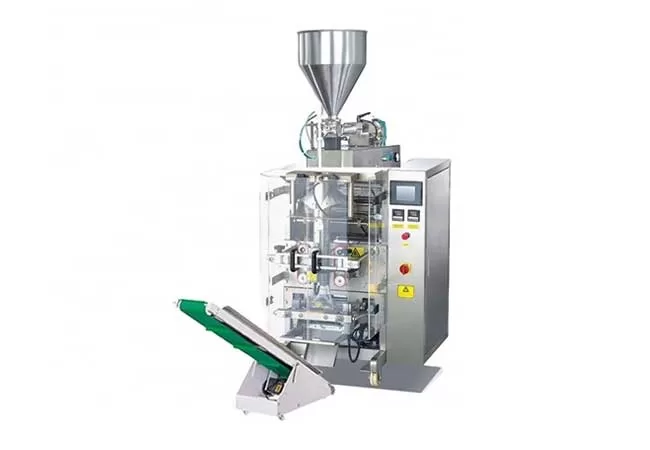
Auger Type Powder Filling Machine: The Ultimate Guide to Precision Packaging
09-03-2026 -
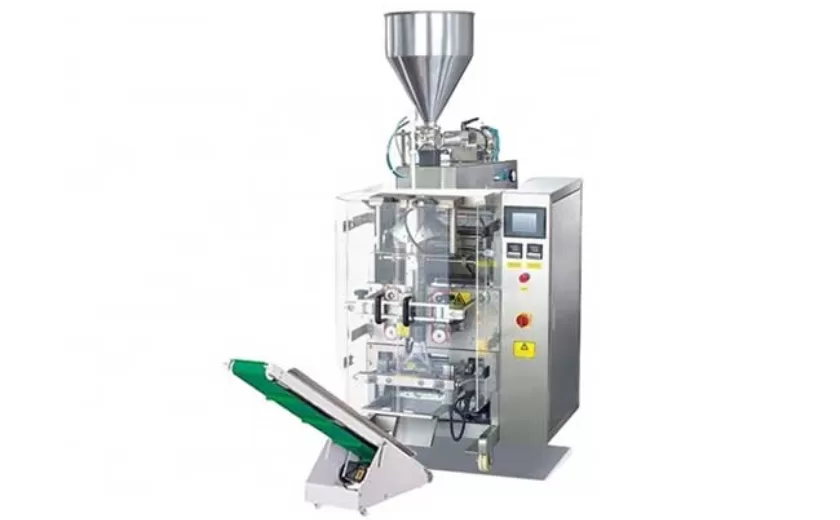
Advanced Packing Solutions: Snacks, Sugar, and Frozen Food Machines
29-10-2025 -
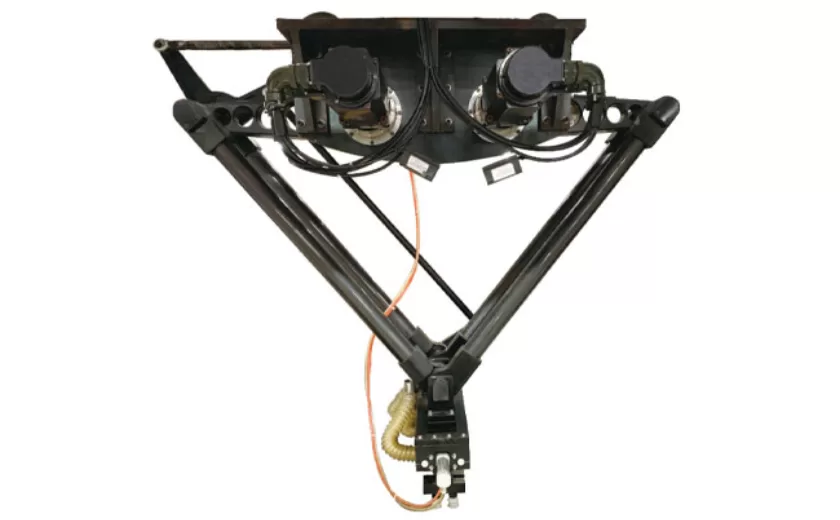
Efficient and Reliable Solutions for Salt, Nuts, and Frozen Dumplings Packing
29-10-2025 -
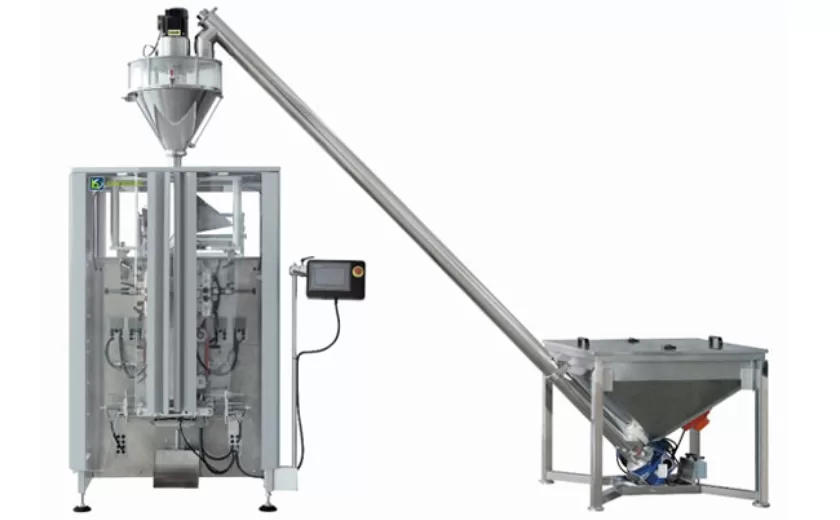
High-Performance Biscuits, Lollipop, and Ketchup Packing Machines for Modern Food Production
29-10-2025 -
Efficient Liquid Filling and Packing Machines for Modern Production
23-10-2025 -
Reliable Granule Packaging Machines for Efficient Production
23-10-2025
