
When Is the Right Time to Implement High-Speed Flow Wrapping?
When considering high-speed flow wrapping, manufacturers must carefully evaluate their specific needs and operations to determine the optimal time for implementation. This advanced packaging solution offers numerous benefits, but it also requires significant investment and operational changes. Understanding the factors that indicate the right time to implement high-speed flow wrapping can help businesses maximize its value and minimize potential risks.
High Production Volumes
One of the key indicators that high-speed flow wrapping is suitable is high production volumes. If a manufacturer consistently produces large quantities of products that require efficient packaging, investing in a high-speed flow wrapper can significantly increase throughput and reduce labor costs. These machines can operate at speeds up to 300 packages per minute, enabling manufacturers to meet increasing demand and optimize production schedules.
Product Characteristics
The physical characteristics of the products being packaged also play a crucial role in determining the right time for high-speed flow wrapping. Flow wrappers are ideal for packaging products with regular shapes and relatively small sizes. If products are fragile or require specialized packaging, additional equipment or manual processes may be necessary, which could limit the benefits of high-speed automation.
Labor Availability and Costs
The availability and cost of labor can influence the decision to implement high-speed flow wrapping. If manual packaging processes are becoming increasingly labor-intensive or costly, automation can provide a more efficient and cost-effective solution. High-speed flow wrappers can significantly reduce the need for manual labor, freeing up employees for other value-added tasks.
Integration with Existing Processes
The compatibility of high-speed flow wrapping with existing production processes is essential. Manufacturers should consider the layout of their production lines, the availability of space, and the need for additional equipment to ensure seamless integration. Proper planning and coordination are crucial to minimize disruptions and maximize the benefits of the new packaging system.
Maintenance and Support
Regular maintenance and ongoing support are necessary to ensure the optimal performance of high-speed flow wrappers. Manufacturers should evaluate their capabilities and resources to determine if they have the necessary technical expertise or access to reliable support services. Proper maintenance and support can extend the lifespan of the equipment and minimize unexpected downtime or production delays.
Return on Investment
Ultimately, businesses should consider the potential return on investment (ROI) when implementing high-speed flow wrapping. An ROI analysis should include the cost of the equipment, installation, training, and ongoing maintenance. By comparing the estimated savings in labor costs, increased production efficiency, and improved product quality, manufacturers can determine if the investment aligns with their financial targets and long-term goals.


-
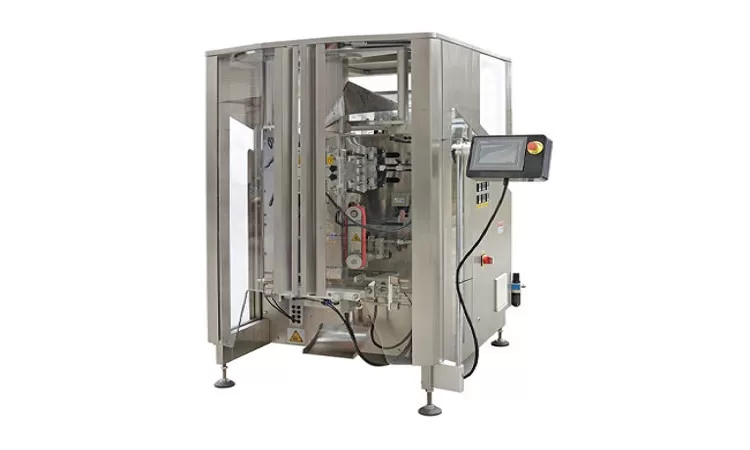
VFFS Equipment: The Ultimate Guide to Vertical Form Fill Seal Technology
13-03-2026 -
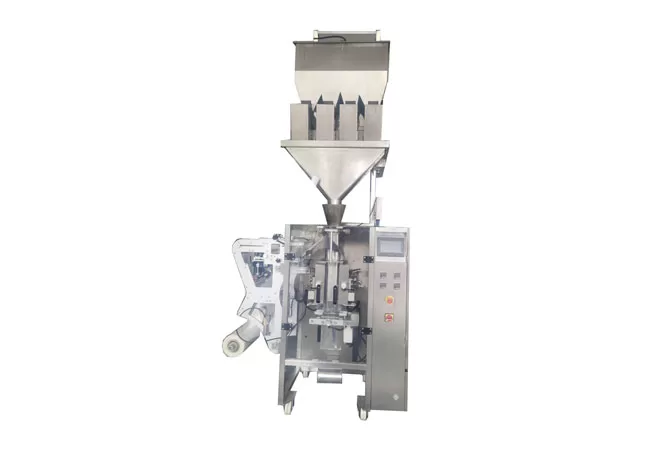
The Essential Guide to Weight Packing Machines for Precision Weighing
12-03-2026 -
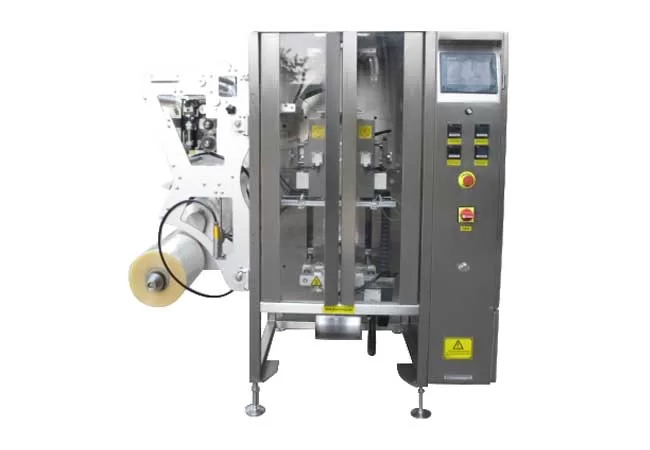
Power Packing Machine: The Ultimate Guide to Heavy-Duty Packaging Efficiency
11-03-2026 -
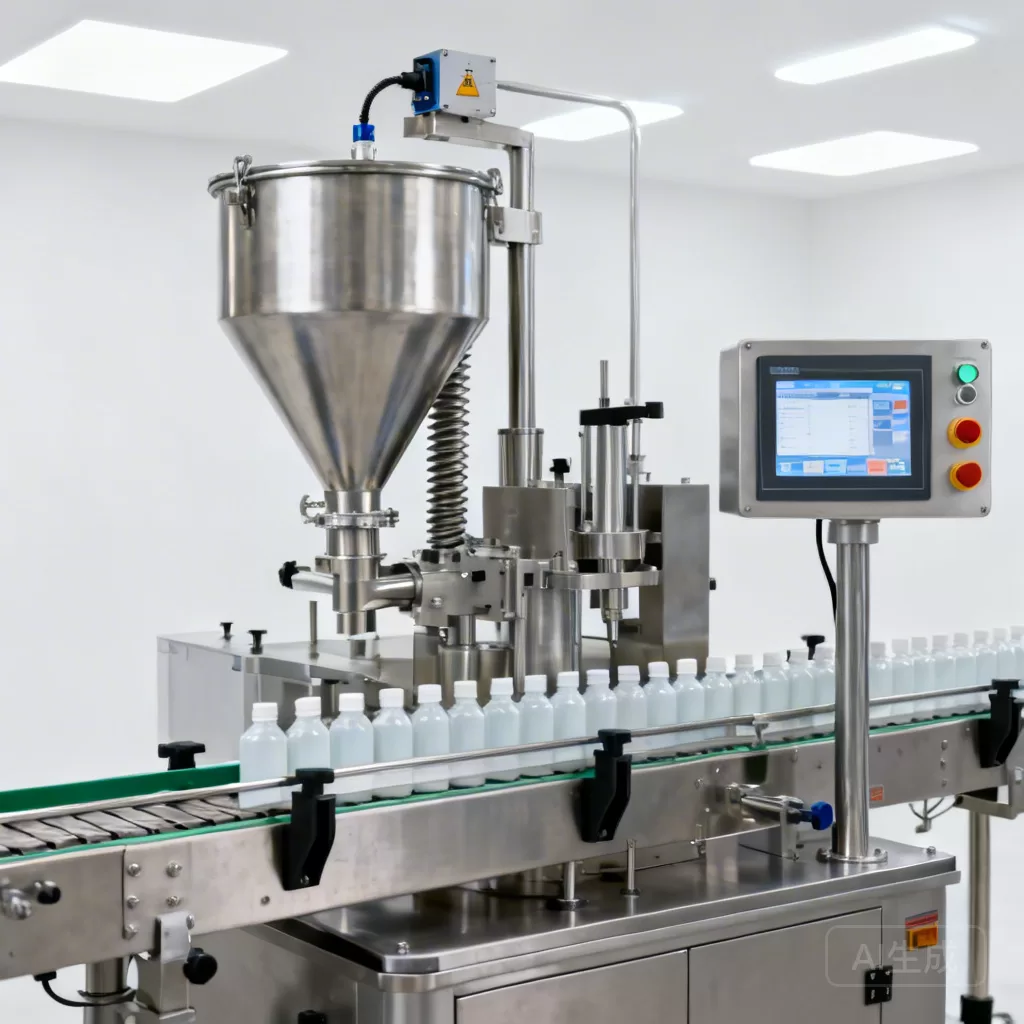
Weigher Packing Machine: The Definitive Guide to Precision Weighing & Packaging
10-03-2026 -
Auger Type Powder Filling Machine: The Ultimate Guide to Precision Packaging
09-03-2026 -
Advanced Packing Solutions: Snacks, Sugar, and Frozen Food Machines
29-10-2025 -
Efficient and Reliable Solutions for Salt, Nuts, and Frozen Dumplings Packing
29-10-2025 -
High-Performance Biscuits, Lollipop, and Ketchup Packing Machines for Modern Food Production
29-10-2025 -
Efficient Liquid Filling and Packing Machines for Modern Production
23-10-2025 -
Reliable Granule Packaging Machines for Efficient Production
23-10-2025
