
When Is Manual Filling Preferred Over Automatic Powder Filling?
In the realm of manufacturing, efficiency and precision reign supreme. When it comes to powder filling, automated systems often steal the spotlight with their lightning-fast speeds and unwavering accuracy. However, there are certain instances where manual filling emerges as the preferred choice, defying the allure of automation.
Intricate Powders and Specialized Handling
Some powders exhibit unique characteristics that require delicate handling. These may include powders with varying particle sizes, fragile nature, or susceptibility to moisture. Automatic filling systems can struggle to accommodate these nuances, potentially damaging the powder or compromising its integrity. Manual filling allows for the tailored adjustment of filling parameters, ensuring the powder is handled with the utmost care.
Small-Batch Production and Flexibility
For limited-run production or niche applications, manual filling provides unmatched flexibility. Automated systems typically require extensive setup time and are not cost-effective for small batches. Manual filling eliminates these constraints, allowing for quick product changes and customization to meet specific customer requirements.
Precise Weighing and Measurement
When the weight or volume of the powder must be exceptionally precise, manual filling often surpasses automated systems. Human operators can meticulously control the filling process, achieving higher accuracy than automated scales or sensors. This precision is critical in industries such as pharmaceuticals and chemicals, where even small deviations can have significant consequences.
Inspecting and Monitoring
Manual filling offers an added layer of inspection and monitoring. Operators can visually inspect the powder as it is filled, detecting any foreign particles or defects. This added vigilance helps maintain product quality and ensures the powder meets the desired specifications.
Cost Considerations
In certain cases, the cost of implementing an automated filling system may outweigh the benefits for small-scale or intermittent operations. Manual filling eliminates the need for expensive machinery, maintenance, and operator training, making it a more economical option for these circumstances.
Hybrid Solutions
To harness the strengths of both manual and automatic filling, manufacturers may employ hybrid solutions. Semi-automatic filling systems utilize automated processes for the bulk of the filling but allow for manual intervention at critical points. This hybrid approach combines the efficiency of automation with the flexibility and precision of manual filling.
While automatic powder filling systems are often the preferred choice for large-scale operations, manual filling remains an invaluable tool in specific scenarios. Its ability to handle intricate powders, accommodate small batches, achieve precise measurements, inspect products, and cost-effectively meet production demands makes it the superior choice when efficiency bows to precision, flexibility, and quality.


-
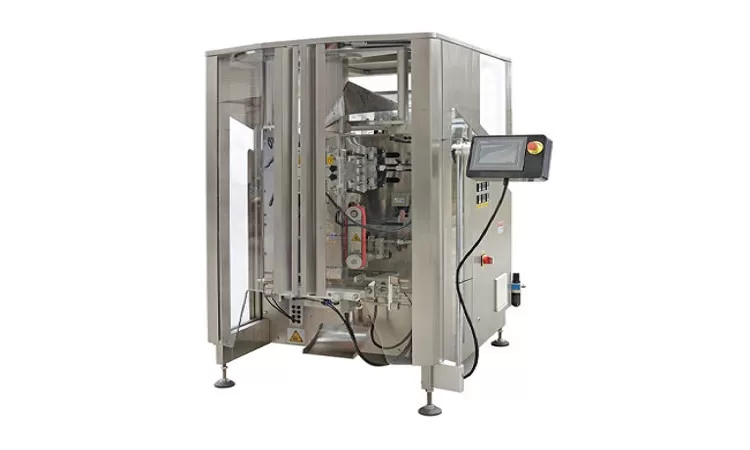
VFFS Equipment: The Ultimate Guide to Vertical Form Fill Seal Technology
13-03-2026 -
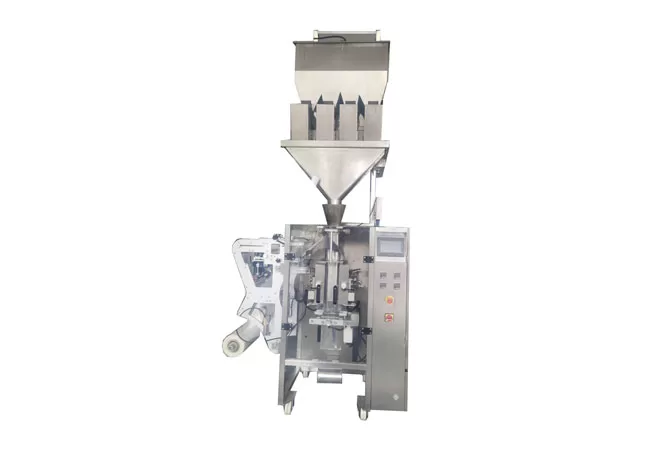
The Essential Guide to Weight Packing Machines for Precision Weighing
12-03-2026 -
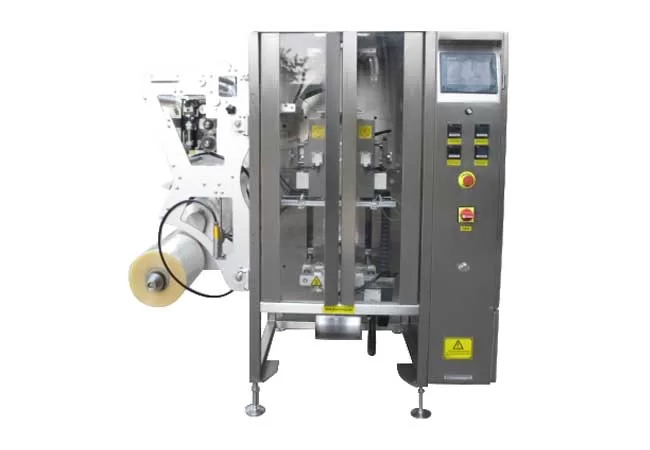
Power Packing Machine: The Ultimate Guide to Heavy-Duty Packaging Efficiency
11-03-2026 -
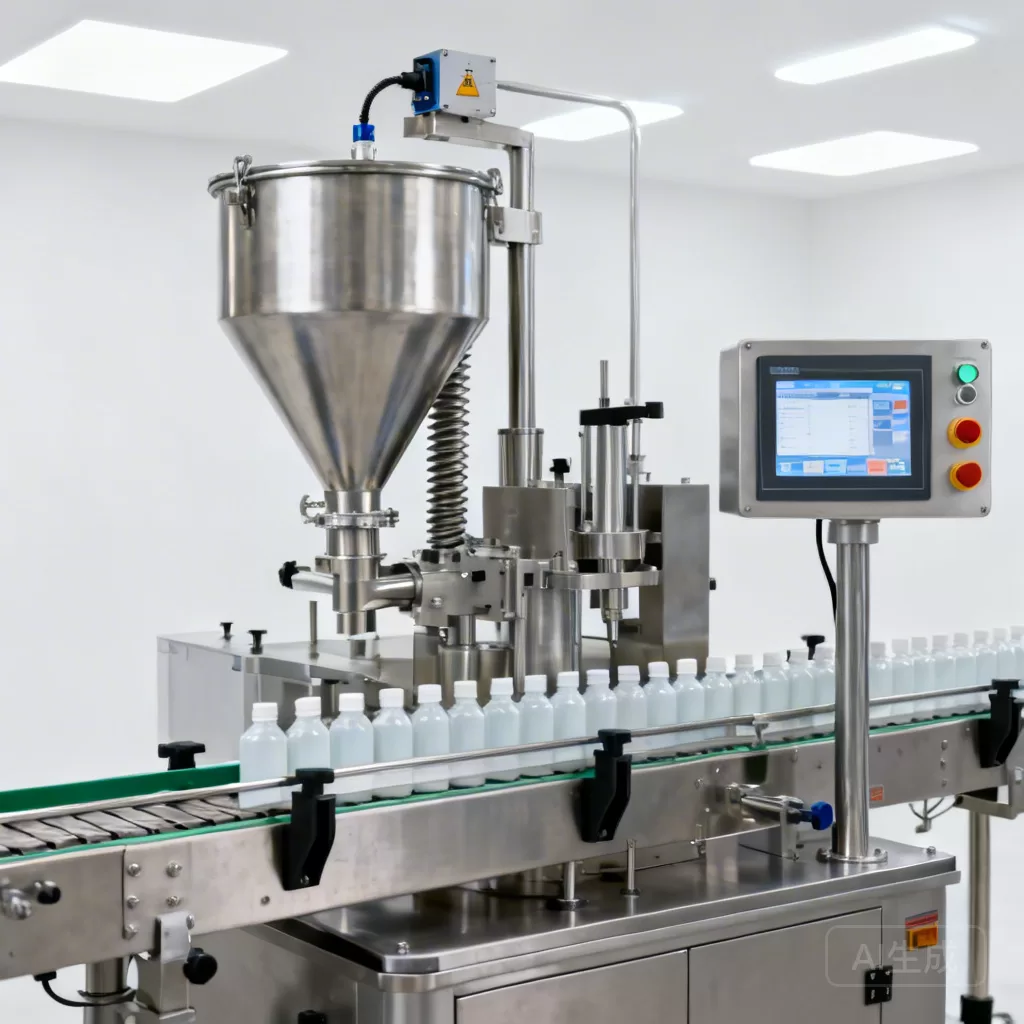
Weigher Packing Machine: The Definitive Guide to Precision Weighing & Packaging
10-03-2026 -
Auger Type Powder Filling Machine: The Ultimate Guide to Precision Packaging
09-03-2026 -
Advanced Packing Solutions: Snacks, Sugar, and Frozen Food Machines
29-10-2025 -
Efficient and Reliable Solutions for Salt, Nuts, and Frozen Dumplings Packing
29-10-2025 -
High-Performance Biscuits, Lollipop, and Ketchup Packing Machines for Modern Food Production
29-10-2025 -
Efficient Liquid Filling and Packing Machines for Modern Production
23-10-2025 -
Reliable Granule Packaging Machines for Efficient Production
23-10-2025
