
When Is It Time to Automate Your Bagging Process?
In the whirlwind of manufacturing and distribution, the bagging process can often be an overlooked bottleneck – a tedious, time-consuming task that silently saps efficiency and profitability. However, the advent of automation is transforming this overlooked corner of the industry, offering businesses a tantalizing glimpse of efficiency and optimized operations.
The question that begs to be answered is: when is it time for your business to embrace the transformative power of automation in the bagging arena? Here are some telltale signs that it’s high time to make the leap:
1. Manual Bagging Struggles to Keep Pace with Demand:
When your production lines are humming at full capacity, but bagging falls behind, it’s a clear indication that automation is overdue. Automated bagging systems can effortlessly keep pace with even the most demanding production schedules, ensuring smooth flow and eliminating the risk of costly bottlenecks.
2. Inconsistent Bag Weights and Quality:
Manual bagging can be a fickle endeavor, with weights and quality often wavering. Automated systems, on the other hand, maintain unwavering precision, ensuring consistent bagging and eliminating the risk of underweight or oversized bags.
3. Labor Scarcity and Rising Costs:
In an era of labor shortages and rising wages, automating the bagging process becomes a strategic move. It frees up human workers for higher-value tasks while reducing labor costs and improving employee retention.
4. Safety Concerns and Injuries:
Manual bagging can be a physically demanding task, posing potential safety hazards to workers. Automated systems eliminate these risks, providing a safer and more ergonomic work environment.
5. Environmental Sustainability:
Automation often goes hand-in-hand with energy efficiency. Automated bagging systems can optimize energy consumption, reducing carbon footprint and aligning with sustainability goals.
6. Complexity of Bagging Operations:
If your bagging process involves complex patterns, multi-layer filling, or variable bag sizes, automation can streamline the process and minimize the risk of errors.
7. Integration with Existing Systems:
Modern automated bagging systems seamlessly integrate with existing ERP and MES systems, providing real-time data and enhancing overall operational visibility.
If any of these scenarios resonate with your business, it’s time to consider automating your bagging process. The benefits are undeniable: increased efficiency, improved quality, reduced costs, enhanced safety, and a path to a more sustainable and profitable future. Embrace the transformative power of automation and watch your bagging operations soar to new heights of efficiency and productivity.


-
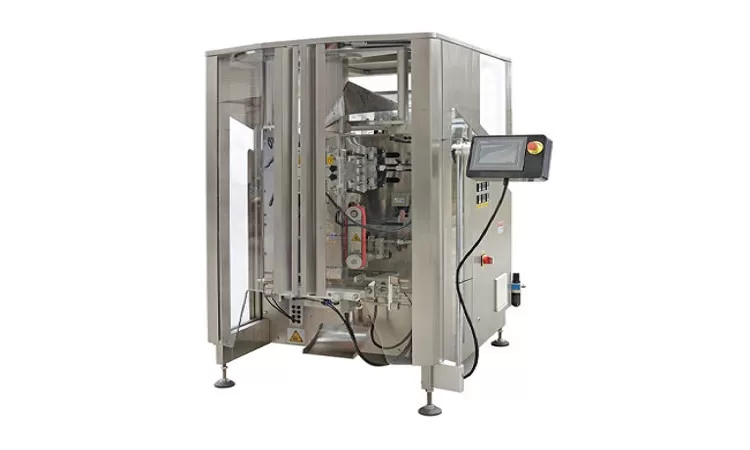
VFFS Equipment: The Ultimate Guide to Vertical Form Fill Seal Technology
13-03-2026 -
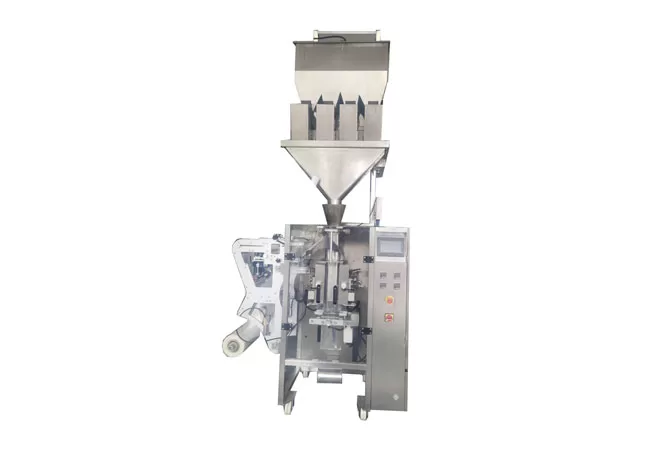
The Essential Guide to Weight Packing Machines for Precision Weighing
12-03-2026 -
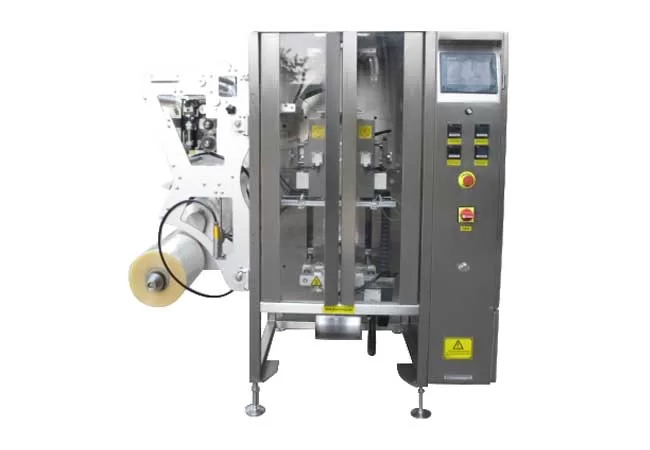
Power Packing Machine: The Ultimate Guide to Heavy-Duty Packaging Efficiency
11-03-2026 -
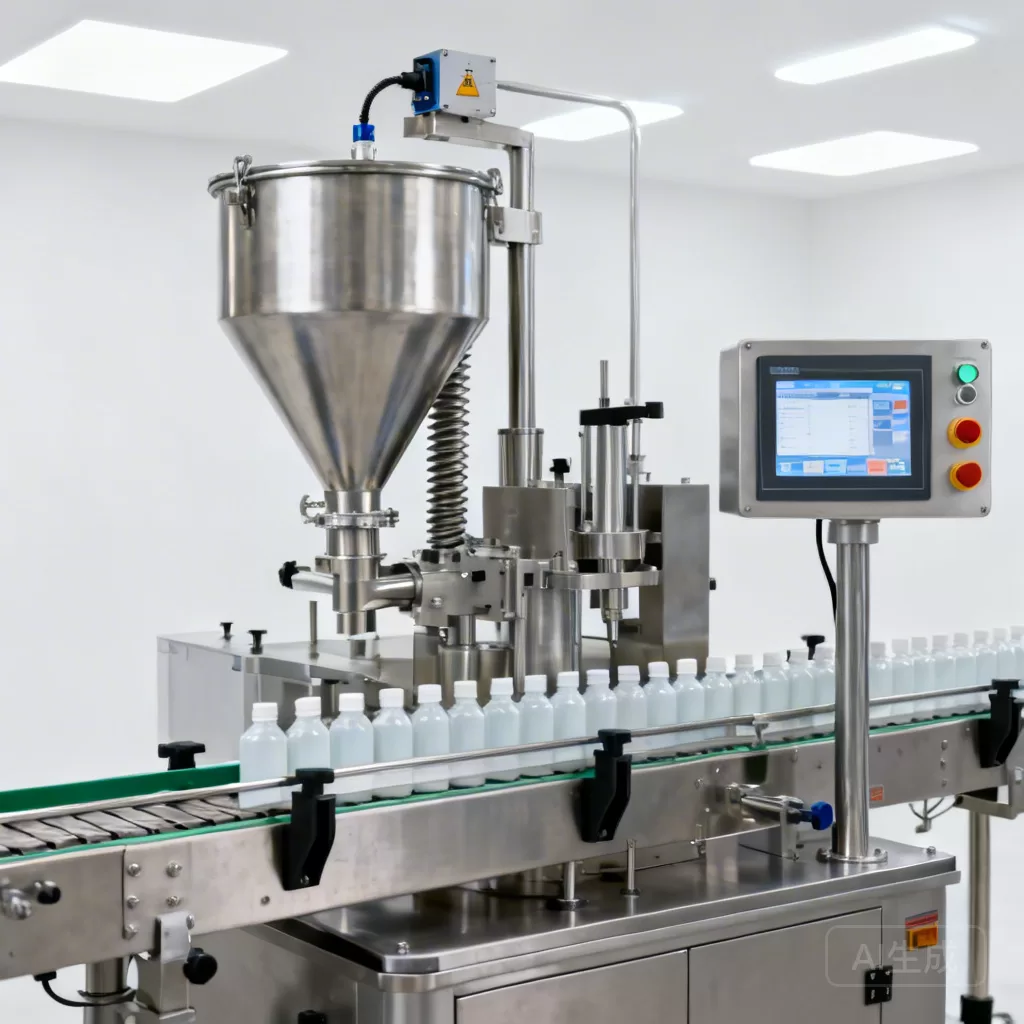
Weigher Packing Machine: The Definitive Guide to Precision Weighing & Packaging
10-03-2026 -
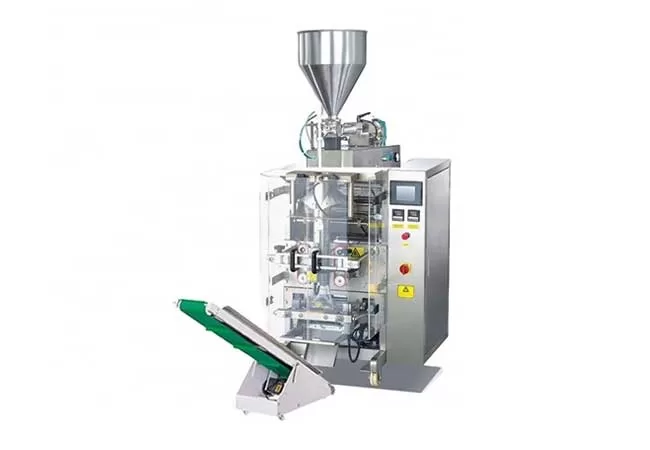
Auger Type Powder Filling Machine: The Ultimate Guide to Precision Packaging
09-03-2026 -
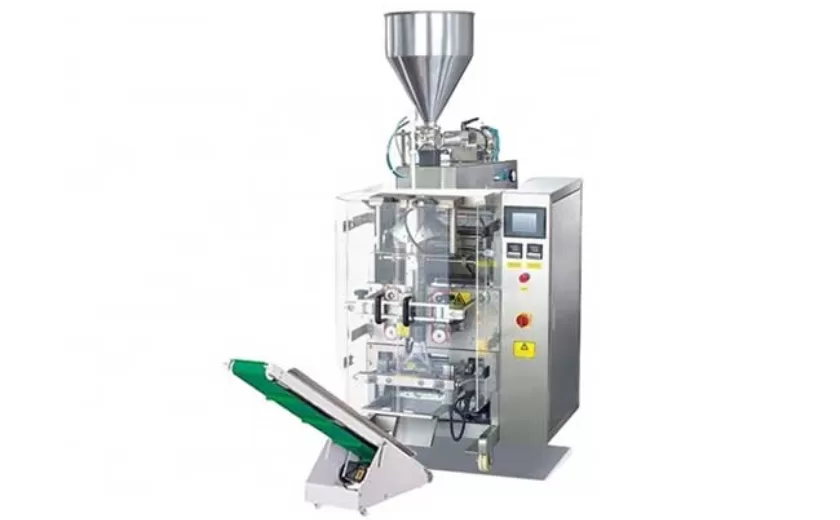
Advanced Packing Solutions: Snacks, Sugar, and Frozen Food Machines
29-10-2025 -
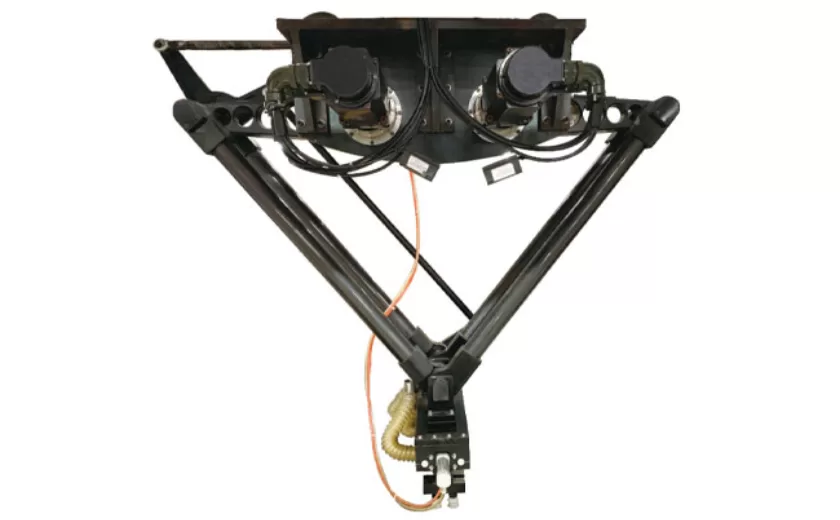
Efficient and Reliable Solutions for Salt, Nuts, and Frozen Dumplings Packing
29-10-2025 -
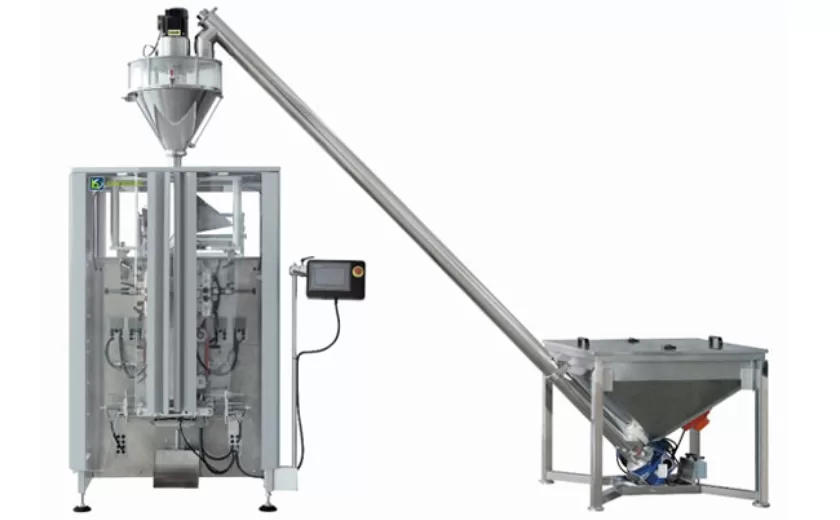
High-Performance Biscuits, Lollipop, and Ketchup Packing Machines for Modern Food Production
29-10-2025 -
Efficient Liquid Filling and Packing Machines for Modern Production
23-10-2025 -
Reliable Granule Packaging Machines for Efficient Production
23-10-2025
