
What Safety Standards Should Be Followed When Using High-Speed Flow Wrap Machines?
In the fast-paced, demanding world of packaging, high-speed flow wrap machines are indispensable workhorses, churning out countless products with lightning-fast precision. However, these mechanized marvels come with an inherent risk if not handled with the utmost care. To ensure the well-being of operators and the integrity of the production line, adhering to stringent safety standards is paramount.
1. Adequate Training and Authorization:
Only authorized personnel who have undergone comprehensive training should operate high-speed flow wrap machines. Proper instruction on machine operation, maintenance, and troubleshooting minimizes the risk of accidents.
2. Clear Safety Zones:
Establishing and maintaining clear safety zones around the machine is crucial. Operators and unauthorized personnel should remain outside these zones during operation to avoid being struck by moving parts or flying debris.
3. Emergency Stop Buttons and Switches:
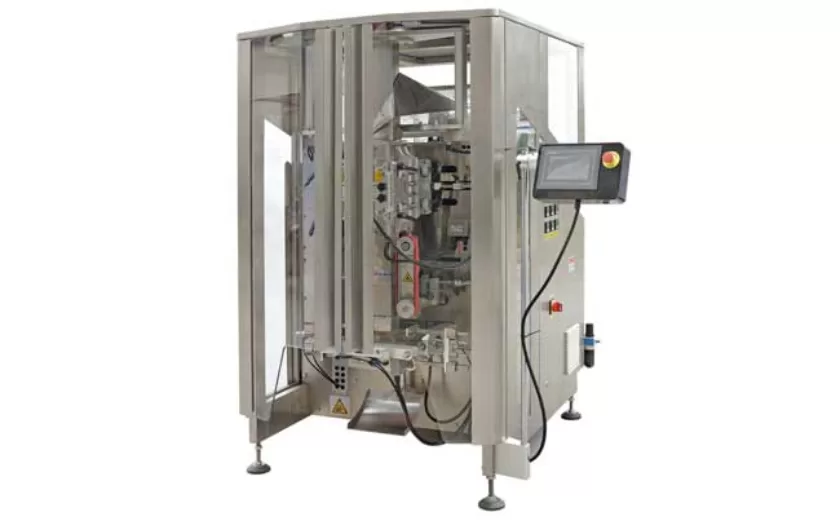
Machines should be equipped with easily accessible emergency stop buttons and switches that halt all operations instantaneously. These devices provide quick access to safety mechanisms in case of imminent danger.
4. Proper Guarding:
All rotating parts, pinch points, and other potential hazards should be adequately guarded to prevent contact with clothing, limbs, or loose hair. Guards ensure operators’ safety without hindering machine operation.
5. Regular Inspection and Maintenance:
Regular inspection and maintenance are essential to keep flow wrap machines in optimal working condition. Inspecting for wear and tear, loose parts, and electrical malfunctions helps prevent sudden breakdowns or safety hazards.
6. Lockout/Tagout Procedures:
When performing maintenance or repairs, lockout/tagout procedures must be strictly followed. This involves isolating the machine from its power source and placing tags on switches to indicate that maintenance is in progress.
7. Personal Protective Equipment (PPE):
Operators should wear appropriate PPE, including protective glasses, earplugs, gloves, and long sleeves. This gear minimizes the risk of injuries from flying debris, noise, or contact with moving parts.
8. Safe Loading and Unloading:
Establishing safe loading and unloading procedures is crucial. Operators should use proper lifting techniques and avoid overexertion to prevent sprains or strains.
9. Proper Ventilation:
Machines that produce heat or fumes should be properly ventilated. Proper air circulation prevents the accumulation of hazardous gases or vapors that could pose health risks.
10. Supervision and Compliance:
Supervisors must regularly monitor operators’ compliance with safety standards. Enforcing these standards ensures a safe working environment for all and minimizes the risk of accidents or injuries.
By adhering to these safety standards, companies can harness the power of high-speed flow wrap machines while mitigating risks to operators and the production line. Safety should always be the top priority in any industrial setting, ensuring that efficiency and productivity go hand in hand with the well-being of workers.


-
VFFS Equipment: The Ultimate Guide to Vertical Form Fill Seal Technology
13-03-2026 -
The Essential Guide to Weight Packing Machines for Precision Weighing
12-03-2026 -
Power Packing Machine: The Ultimate Guide to Heavy-Duty Packaging Efficiency
11-03-2026 -
Weigher Packing Machine: The Definitive Guide to Precision Weighing & Packaging
10-03-2026 -
Auger Type Powder Filling Machine: The Ultimate Guide to Precision Packaging
09-03-2026 -
Advanced Packing Solutions: Snacks, Sugar, and Frozen Food Machines
29-10-2025 -
Efficient and Reliable Solutions for Salt, Nuts, and Frozen Dumplings Packing
29-10-2025 -
High-Performance Biscuits, Lollipop, and Ketchup Packing Machines for Modern Food Production
29-10-2025 -
Efficient Liquid Filling and Packing Machines for Modern Production
23-10-2025 -
Reliable Granule Packaging Machines for Efficient Production
23-10-2025
