
What Regulations Should You Know for Pouch Packaging?
Navigating the Labyrinth of Industry Standards
In the realm of packaging, pouches have emerged as a versatile and sustainable solution for a multitude of products. However, with the proliferation of pouch packaging comes a complex tapestry of regulations designed to ensure consumer safety and environmental compliance. Understanding these regulations is paramount for businesses operating in this domain.
Material Considerations
The FDA’s Code of Federal Regulations (CFR) provides specific guidance on the materials used in pouch packaging. For instance, 21 CFR 177.1550 outlines the allowable polymers for food contact applications, while 21 CFR 177.1210 delineates the permitted adhesives. These regulations aim to prevent the migration of harmful chemicals into the food or beverage being contained.
Safety Standards
In terms of safety, the ASTM International organization has developed standards for pouch packaging. ASTM F2584-17 governs the safety requirements for flexible pouches used in the packaging of dry food products, addressing issues such as peel and burst strength. These standards ensure that pouches withstand the rigors of storage, transportation, and handling without compromising the integrity of their contents.
Environmental Considerations
Sustainability is an increasing concern in the packaging industry. The European Union has implemented regulations, such as the Packaging and Packaging Waste Directive (94/62/EC), which promote the use of recyclable or biodegradable materials. For pouch packaging, the OPRL (Organization for Packaging and the Environment) has developed guidelines for designing pouches that are compatible with recycling programs.
Labeling and Marking
Clear and accurate labeling is essential for pouch packaging. The FDA requires that food pouches bear specific information, such as the identity of the product, net weight, and an ingredient list. Similarly, the Consumer Product Safety Commission (CPSC) mandates that certain products, such as toys intended for children, display safety warnings and cautionary messages.
Compliance Assurance
Businesses involved in pouch packaging must implement robust quality control processes to ensure compliance with regulations. This includes maintaining documentation of materials used, testing products for safety and performance, and adhering to labeling requirements. Failure to comply can result in product recalls, fines, and damage to reputation.
The world of pouch packaging is governed by a complex array of regulations designed to safeguard consumer safety, protect the environment, and ensure compliance. Businesses operating in this industry must navigate this regulatory labyrinth carefully, understanding the requirements pertaining to materials, safety, environmental considerations, labeling, and quality control. By adhering to these regulations, businesses can ensure the integrity of their products, protect their customers, and contribute to a sustainable future.


-
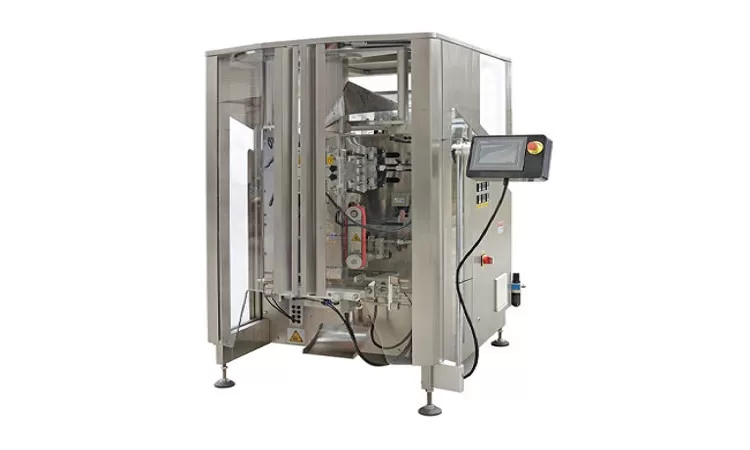
VFFS Equipment: The Ultimate Guide to Vertical Form Fill Seal Technology
13-03-2026 -
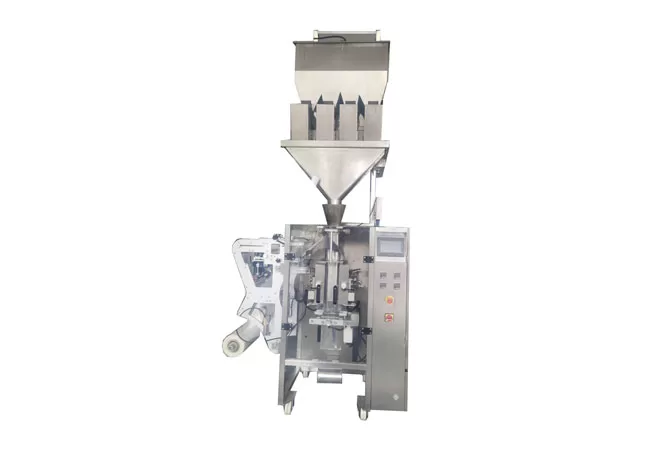
The Essential Guide to Weight Packing Machines for Precision Weighing
12-03-2026 -
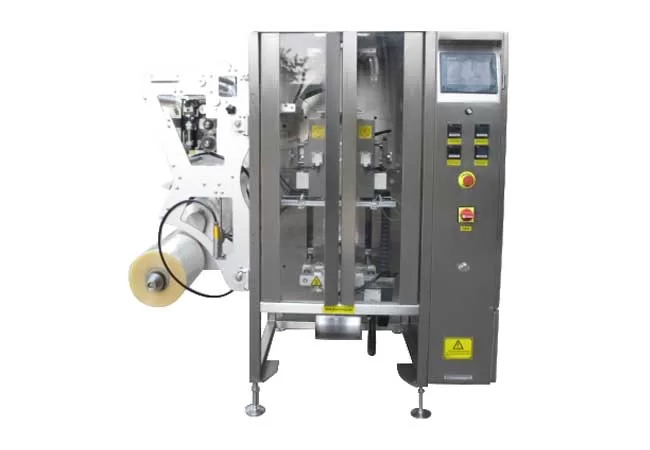
Power Packing Machine: The Ultimate Guide to Heavy-Duty Packaging Efficiency
11-03-2026 -

Weigher Packing Machine: The Definitive Guide to Precision Weighing & Packaging
10-03-2026 -
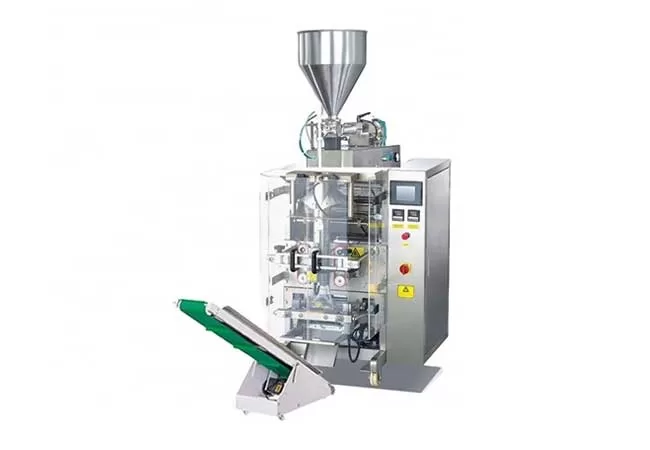
Auger Type Powder Filling Machine: The Ultimate Guide to Precision Packaging
09-03-2026 -
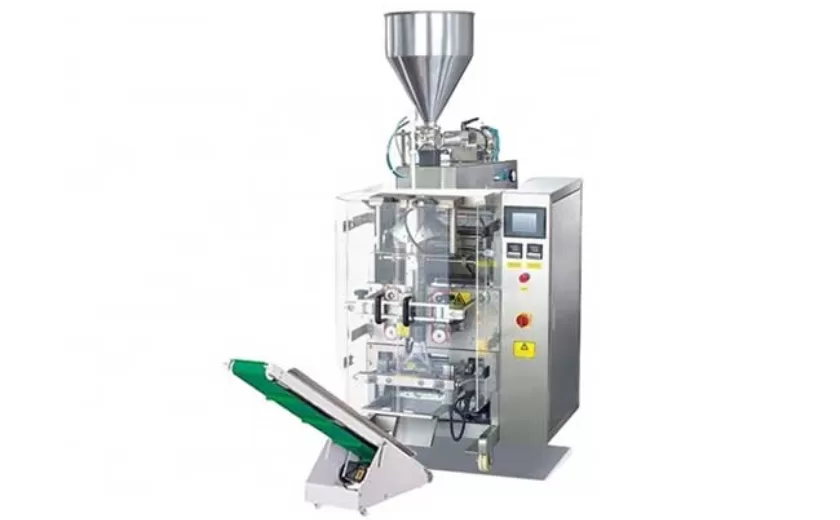
Advanced Packing Solutions: Snacks, Sugar, and Frozen Food Machines
29-10-2025 -
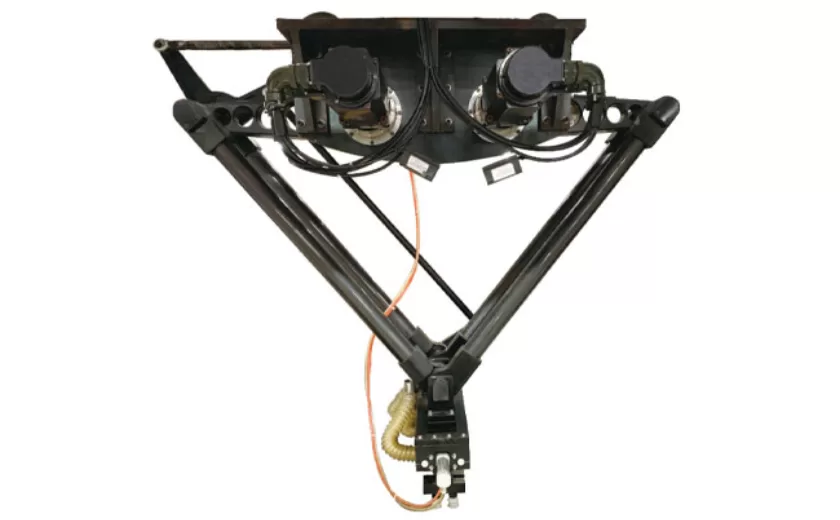
Efficient and Reliable Solutions for Salt, Nuts, and Frozen Dumplings Packing
29-10-2025 -
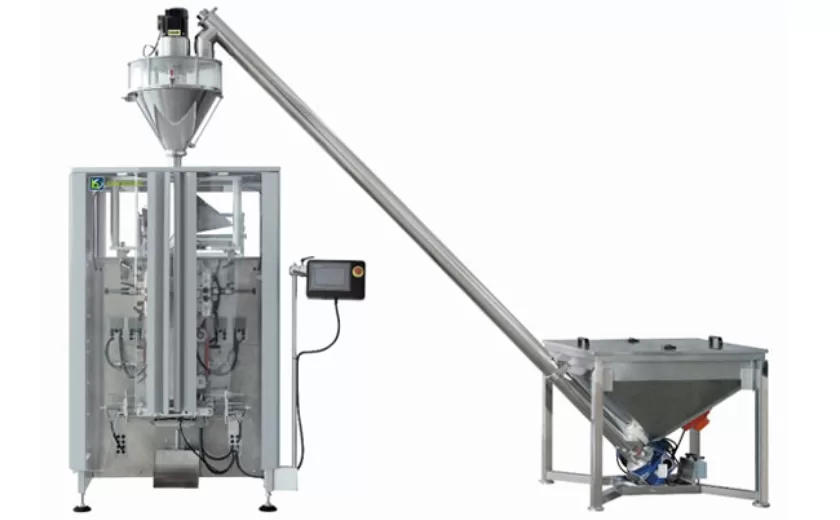
High-Performance Biscuits, Lollipop, and Ketchup Packing Machines for Modern Food Production
29-10-2025 -
Efficient Liquid Filling and Packing Machines for Modern Production
23-10-2025 -
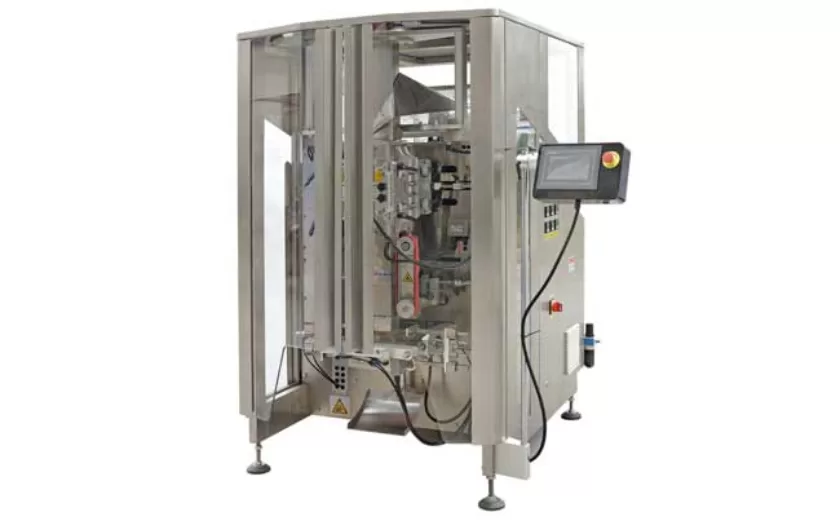
Reliable Granule Packaging Machines for Efficient Production
23-10-2025
